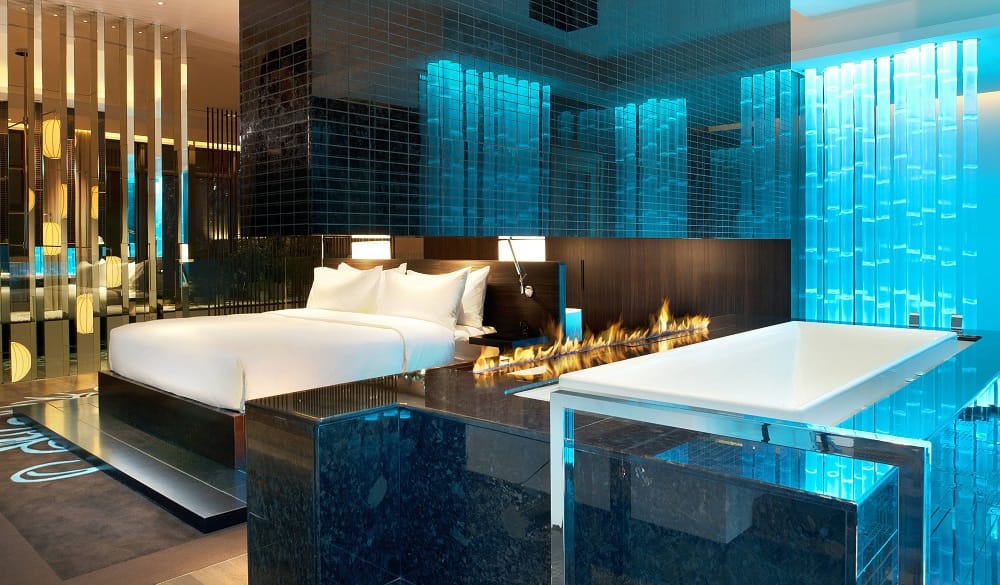
A high tech hotel is a modern hospitality facility that uses advanced technology to improve guest comfort, convenience, and overall experience. These hotels integrate smart systems, automation, and digital services into their operations, allowing guests to enjoy seamless interactions with hotel services. From mobile check-ins to smart room controls, technology is transforming how hotels operate and how guests experience their stay.
As travelers increasingly expect convenience and personalization, many hotels are investing in advanced digital solutions that make hospitality services faster, more efficient, and more engaging.
What Is a High Tech Hotel?
A high tech hotel is a hotel that incorporates smart technologies and digital innovations into its services and infrastructure. These technologies allow guests to interact with hotel systems through mobile devices, voice assistants, or automated interfaces.
The goal of high-tech hospitality is to enhance guest satisfaction by providing convenience, efficiency, and personalized services.
Smart Room Technology
One of the most noticeable features of high tech hotels is smart room technology. Guests can control room settings using mobile apps, tablets, or voice commands.
- Smart lighting and temperature controls
- Voice-activated assistants
- Automated curtains and window shades
- Smart televisions with streaming capabilities
These features allow guests to customize their environment for maximum comfort.
Mobile Check-In and Digital Keys
Many high tech hotels offer mobile check-in services that allow guests to skip the front desk. Through a hotel mobile app, guests can check in before arrival and receive a digital key on their smartphone.
This digital key can be used to unlock the hotel room door, providing a faster and more convenient check-in process.
Artificial Intelligence and Chatbots
Artificial intelligence is increasingly used in hotels to assist guests with requests and information. AI-powered chatbots can answer questions, provide recommendations, and help guests book services such as dining or transportation.
These systems allow hotels to offer round-the-clock customer support while improving efficiency.
Robotics in Hospitality
Some high tech hotels use service robots to perform simple tasks such as delivering towels, room service items, or guest amenities. These robots help hotel staff manage workloads while providing guests with a unique and futuristic experience.
Robotics also demonstrates how automation can improve service delivery in the hospitality industry.
Contactless Payment and Services
High tech hotels often provide contactless payment options for convenience and safety. Guests can use mobile wallets, digital payment systems, or online billing platforms to pay for services.
Contactless technology helps speed up transactions while reducing the need for physical interaction.
Smart Energy Management
Technology is also used to improve energy efficiency in high tech hotels. Smart systems monitor lighting, heating, and cooling to reduce energy consumption when rooms are unoccupied.
This approach helps hotels reduce operational costs while supporting environmental sustainability.
Personalized Guest Experiences
Data and technology allow hotels to personalize services for guests. By analyzing guest preferences, hotels can customize room settings, recommend activities, and provide tailored services that match individual needs.
This level of personalization helps hotels create memorable experiences for their guests.
Benefits of High Tech Hotels
High tech hotels provide several advantages for both guests and hotel operators.
- Faster and more convenient services
- Enhanced comfort and personalization
- Improved operational efficiency
- Reduced wait times for guests
- Better energy management and sustainability
These benefits help hotels remain competitive in a technology-driven hospitality industry.
The Future of High Tech Hospitality
The future of high tech hotels will likely include even more advanced technologies such as augmented reality experiences, biometric check-ins, and fully automated service systems. As innovation continues, hotels will adopt new solutions that further improve the guest experience.
Technology will continue to shape the hospitality industry by making travel more convenient, efficient, and personalized.
Conclusion
A high tech hotel represents the modern evolution of hospitality, combining advanced technology with traditional guest services. Through smart rooms, digital check-ins, artificial intelligence, and automation, these hotels provide a seamless and comfortable experience for travelers. As technology continues to advance, high tech hotels will play a key role in shaping the future of the global hospitality industry.

As a digital marketer, she has received multiple international awards, including Campaign of the Year at the 2023 European Content Awards and Best Use of Content Marketing at the 2022 Global Search Awards. Nicai holds an MSc in Marketing (First Class Honours) from the UCD Smurfit Graduate Business School and she has also completed the Artificial Intelligence Programme at Oxford University’s Saïd Business School. She is also a contributing writer for publications such as Entrepreneur and Esquire.