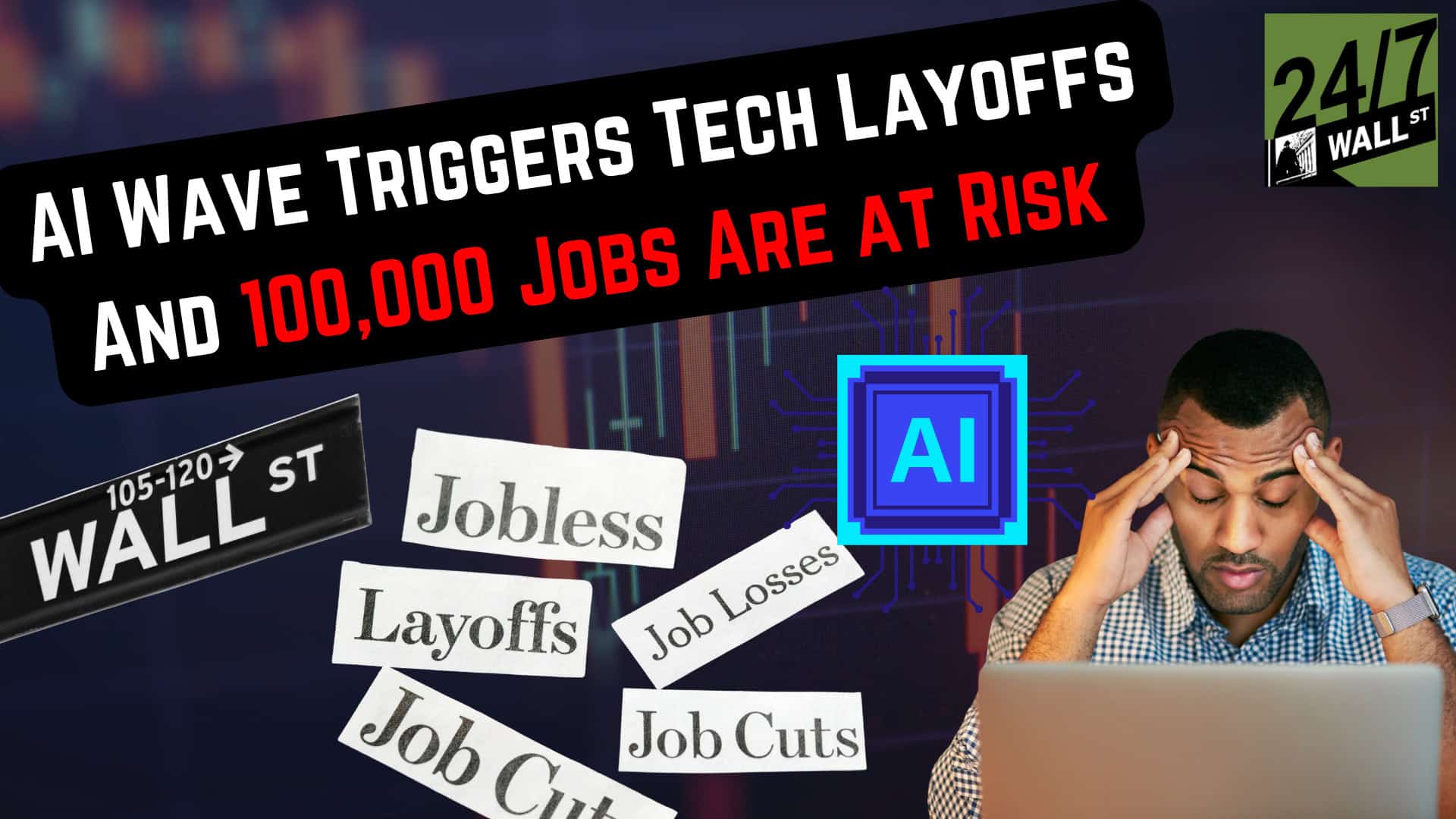
Tech layoffs have become a significant topic of discussion in recent years as many major technology companies have reduced their workforce. These layoffs often raise concerns about whether they could trigger broader economic effects across other industries. While layoffs in the technology sector can create short-term disruptions, their long-term impact depends on multiple factors including economic conditions, industry demand, and the pace of technological innovation.
The technology industry is known for rapid growth cycles followed by periods of adjustment. During times of economic uncertainty or slowing investment, companies may reduce hiring or restructure operations, which can lead to layoffs.
Understanding Tech Layoffs
Tech layoffs occur when technology companies reduce their workforce due to changes in business strategy, economic conditions, or shifts in market demand. Companies may lay off employees to control costs, restructure departments, or focus resources on new technologies.
These layoffs are often part of broader industry adjustments rather than signs of permanent decline.
Reasons Behind Technology Layoffs
Several factors can contribute to layoffs in the technology sector.
- Economic slowdowns and reduced investment
- Overhiring during periods of rapid growth
- Changes in consumer demand
- Company restructuring and cost management
- Shifts toward automation or new technologies
Technology companies often adjust their workforce as they adapt to changing market conditions.
Impact on the Technology Industry
Layoffs can affect the technology industry in several ways. While they may create uncertainty for workers, they can also lead to increased efficiency within companies and the redistribution of talent across the industry.
Many professionals affected by layoffs find opportunities at startups, smaller companies, or emerging technology sectors.
Potential Economic Effects
Some analysts question whether large numbers of tech layoffs could trigger wider economic challenges. Because the technology sector plays an important role in innovation and employment, significant workforce reductions may influence investment and business confidence.
However, the overall economy often depends on many industries, so layoffs in one sector do not necessarily cause a broader recession.
Opportunities for Startups
When experienced engineers, designers, and product managers leave large companies, many choose to join startups or launch their own ventures. This movement of talent can actually encourage innovation and entrepreneurship.
Startups often benefit from the availability of skilled professionals who bring valuable experience from major technology firms.
Long-Term Industry Adjustments
The technology sector has historically experienced cycles of rapid growth followed by adjustments. After periods of layoffs, companies often begin hiring again as new technologies and business opportunities emerge.
Innovation in areas such as artificial intelligence, cloud computing, and cybersecurity continues to create new demand for skilled technology workers.
Worker Adaptation and Skill Development
Professionals affected by layoffs often focus on updating their skills to match emerging technology trends. Learning new programming languages, cloud technologies, or artificial intelligence tools can help workers transition into new roles.
Continuous learning is an important part of maintaining long-term careers in the technology industry.
The Future of Tech Employment
Despite periodic layoffs, the technology sector remains one of the fastest-growing industries globally. Digital transformation across businesses and governments continues to drive demand for technology professionals.
As companies invest in new innovations, the demand for skilled workers in areas such as data science, software engineering, and cybersecurity is expected to remain strong.
Conclusion
While tech layoffs can create short-term uncertainty, they do not necessarily trigger long-term economic decline. The technology industry continues to evolve rapidly, with new innovations constantly creating opportunities for growth and employment. Understanding the reasons behind layoffs and the broader economic context can help provide a clearer picture of the technology sector’s future.

As a digital marketer, she has received multiple international awards, including Campaign of the Year at the 2023 European Content Awards and Best Use of Content Marketing at the 2022 Global Search Awards. Nicai holds an MSc in Marketing (First Class Honours) from the UCD Smurfit Graduate Business School and she has also completed the Artificial Intelligence Programme at Oxford University’s Saïd Business School. She is also a contributing writer for publications such as Entrepreneur and Esquire.