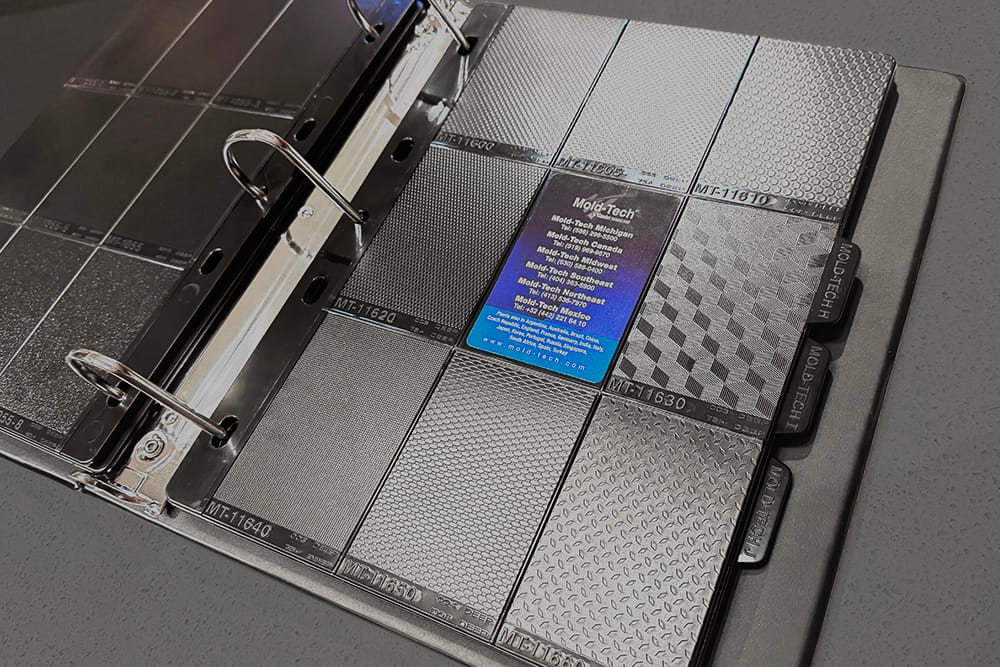
Mold Tech textures are specialized surface finishes applied to injection molds to create consistent patterns, visual effects, and functional textures on molded plastic parts. In modern manufacturing, texture is not only a decorative feature. It can improve grip, reduce visible scratches, hide sink marks, enhance perceived quality, and help a product achieve a more refined final appearance. Because of these advantages, mold texturing has become an important part of product design in industries such as automotive, consumer electronics, appliances, medical devices, and industrial equipment.
When a plastic part is produced through injection molding, the surface quality of the mold directly influences the finish of the final product. If the mold surface is polished, the molded part may appear smooth and glossy. If the mold has a controlled texture pattern, that same pattern transfers onto the plastic component during production. Mold Tech textures are known for providing standardized texture options that manufacturers and product designers can reference when selecting the best finish for a specific application.
What Are Mold Tech Textures?
Mold Tech textures refer to engineered surface patterns applied to tooling used in injection molding and related manufacturing processes. These textures are created on the mold cavity so that every molded part reproduces the same surface pattern. The result is a repeatable finish that can be used for both aesthetic and functional purposes.
Instead of relying only on paint, coatings, or post-processing, manufacturers can build surface character directly into the molded part. This is one of the reasons textured molds are widely used in high-volume production. Once the mold is prepared correctly, every part leaving the tool can carry the same intended finish without additional surface treatment steps.
Why Surface Texture Matters in Manufacturing
Surface texture plays a major role in how a product looks and feels. Consumers often judge product quality by touch and visual appearance before they evaluate performance. A carefully selected texture can make a plastic part feel more premium, more durable, or more comfortable to use. In some applications, texture also improves practical performance by providing additional friction or reducing glare.
For manufacturers, texture can also solve common cosmetic challenges. Highly polished plastic surfaces can reveal fingerprints, minor scratches, flow marks, and other imperfections more easily. A textured finish often helps hide these issues and creates a more forgiving surface. This can improve the overall consistency of the final product while reducing rejection rates during quality inspection.
How Mold Textures Are Created
Mold textures are typically created through specialized surface treatment processes applied to the steel mold. These processes may involve chemical etching, laser texturing, engraving, blasting, or other precision finishing methods depending on the desired effect. The goal is to create a controlled micro-pattern on the mold surface that transfers accurately to the molded plastic part.
Texturing a mold requires careful planning because the depth, angle, and spacing of the pattern can affect part release, resin flow, visual appearance, and final performance. The texture must be applied in a way that remains consistent across the entire mold cavity, especially for large or highly visible components.
The Role of Standardized Texture Systems
One of the most useful aspects of Mold Tech textures is the idea of standardization. Instead of describing finishes in vague terms such as rough, matte, or fine grain, manufacturers can reference a specific texture code or category. This makes communication between designers, mold makers, and production teams much more precise.
Standardized texture references help ensure that everyone involved in the manufacturing process understands the intended finish. A product designer can specify a texture for an exterior panel, and the tooling team can then apply the corresponding finish to the mold. This reduces ambiguity and improves repeatability, especially in industries where cosmetic consistency is critical.
Common Reasons for Using Mold Tech Textures
Manufacturers use textured mold surfaces for many reasons beyond basic appearance. Texture selection is often tied directly to product performance, user experience, and manufacturing efficiency.
Improved Appearance
Texture can enhance the visual quality of a product by creating a refined matte, leather-like, grainy, or patterned finish. This gives plastic parts more visual depth and helps them feel more intentional and professionally designed.
Better Grip
Many handheld products benefit from textured surfaces because they are easier to hold securely. This can be important in tools, automotive controls, consumer devices, and appliance handles.
Reduced Visibility of Defects
Textured surfaces often hide small cosmetic defects better than smooth, polished finishes. Minor scratches, fingerprints, and molding marks may be less noticeable when the surface has an intentional pattern.
Lower Glare
In products exposed to light, a textured matte finish can reduce reflections and glare. This is especially useful in automotive interiors and electronic housings.
Brand and Design Identity
Texture can help define the visual identity of a product line. A specific grain or finish may become part of a brand’s design language and contribute to a consistent user experience across multiple products.
Industries That Use Mold Tech Textures
Mold texturing is used across many industries where injection-molded plastic parts play an important role. Some sectors rely heavily on texture because both appearance and functionality matter in the final product.
- Automotive interiors and trim components
- Consumer electronics housings
- Appliances and home equipment
- Medical equipment enclosures
- Industrial controls and device casings
- Power tools and handheld equipment
- Packaging and specialty molded products
In each of these industries, surface finish can affect both product value and user satisfaction. A well-chosen texture can improve the overall impression of the product while also serving a technical purpose.
Mold Tech Textures in Automotive Applications
The automotive industry is one of the most visible users of mold texturing. Interior components such as dashboards, door panels, console surfaces, and trim pieces often rely on textured finishes to create a premium and durable appearance. These surfaces need to look consistent across large areas, resist visible wear, and remain comfortable to the touch.
Textured finishes also help reduce glare on interior surfaces, which can improve comfort and visibility for drivers. Because automotive interiors are exposed to sunlight, handling, and long-term wear, mold texturing is often preferred over simpler cosmetic approaches. It becomes part of the part itself rather than a temporary surface treatment.
Mold Tech Textures in Consumer Products
Consumer products often use molded textures to create a more attractive and practical surface. Items such as remote controls, speakers, gaming accessories, personal care devices, and storage containers can all benefit from surface texturing. In these products, texture often contributes to both style and usability.
A slightly textured finish can make a product feel less slippery and more comfortable in the hand. It can also create a stronger sense of quality compared with a plain glossy plastic surface. Because consumers interact directly with these products, texture has a strong influence on first impressions and perceived value.
The Difference Between Texture and Polish
In mold finishing, texture and polish are often discussed together because they represent different approaches to surface quality. A polished mold creates a smooth and often glossy part surface. This can be desirable for clear components or products that need a highly reflective finish. However, polished parts may show scratches and fingerprints more easily.
Textured molds create surfaces with more visual softness and tactile character. These finishes are often better for hiding wear and giving parts a more functional or sophisticated look. The choice between polish and texture depends on the intended use, design goals, and material behavior of the final part.
Factors That Affect Texture Selection
Selecting the right mold texture involves more than choosing an attractive pattern. Designers and engineers must consider how the texture interacts with the part geometry, resin type, draft angle, and intended performance requirements.
Material Type
Different plastic resins reproduce texture differently. Some materials capture fine details very well, while others may soften or alter the appearance of the texture. Resin shrinkage and flow behavior also influence the final result.
Part Geometry
Complex part shapes can affect how consistently texture appears across a surface. Deep ribs, sharp corners, and varying wall thicknesses may influence the visible finish.
Draft Angle Requirements
Textured surfaces usually require additional draft angle compared with polished surfaces. This helps the part release cleanly from the mold without damaging the texture or causing drag marks.
Product Use Case
A product designed for frequent handling may need a different texture than one intended mainly for visual presentation. Grip, wear resistance, cleaning, and user comfort all matter when choosing a finish.
Why Draft Angle Matters With Textured Molds
Draft angle is especially important when using mold textures because textured surfaces create more contact between the molded part and the tool. If insufficient draft is provided, the part may stick during ejection or show drag marks, distortion, or surface damage. For this reason, designers often add extra draft when specifying a textured finish.
This relationship between texture and draft must be addressed early in product development. If a part is designed with minimal draft and texture is added later, mold release problems can appear during production. Proper coordination between industrial design, engineering, and tooling teams helps prevent these issues.
How Mold Tech Textures Influence Product Quality
A well-executed texture can significantly improve perceived and actual product quality. Consumers often associate texture with durability, comfort, and design sophistication. In manufacturing terms, texture can also contribute to quality by making surfaces more tolerant of small cosmetic inconsistencies.
Because the texture is built into the mold, it provides a stable and repeatable finish across large production volumes. This consistency is one of the major reasons mold texturing is valuable in mass manufacturing. Once the tool is approved, every part can carry the same intended surface appearance with minimal variation.
Challenges of Mold Texturing
Although mold texturing offers many benefits, it also introduces certain challenges. Applying texture requires precise tooling work, and poor execution can lead to uneven finishes, part release issues, or visual inconsistency. Textured molds may also require more careful maintenance to preserve the quality of the surface over time.
Another challenge is that fine textures can behave differently depending on plastic material, molding conditions, and part shape. A texture that looks excellent on one product may not appear the same on another if the material or tool geometry changes. This is why testing, mold qualification, and close communication are essential during product development.
Mold Maintenance and Texture Preservation
Once a textured mold enters production, maintenance becomes important. Mold surfaces can wear over time, especially in high-volume manufacturing environments. Cleaning methods must be chosen carefully so the texture is not damaged or altered. If the texture degrades, the appearance of the molded parts may also change.
Proper mold maintenance helps preserve surface consistency and extends the life of the tool. In high-value applications, maintaining the texture standard is an important part of preserving product quality and brand identity.
Laser Texturing and New Technology
Modern manufacturing has introduced advanced methods such as laser texturing, which allows greater control over surface design. Laser-based methods can produce highly detailed and repeatable textures, including complex patterns that may be difficult to achieve through older techniques. This has expanded the creative possibilities for mold texturing in both functional and decorative applications.
As manufacturing technology evolves, surface engineering is becoming more precise and more integrated with digital design workflows. This means texture can increasingly be treated as a deliberate product design feature rather than a simple finishing decision made late in the process.
Design Considerations for Mold Tech Textures
To use mold texturing effectively, product teams should consider surface finish early in development. Texture affects appearance, mold design, draft, tooling cost, and part performance. Waiting too long to make a texture decision can create avoidable design changes or tooling complications.
Designers should think about where texture is needed, how it supports the product, and whether it should vary across different areas of the part. Engineers should evaluate how the texture affects manufacturability. Toolmakers should verify that the chosen finish can be applied consistently and released cleanly in production.
Why Mold Tech Textures Remain Important
Mold Tech textures remain important because they help manufacturers combine aesthetics, function, and production efficiency in one solution. Instead of adding separate surface treatments later, companies can build texture directly into the molded part from the start. This supports large-scale repeatability while also improving the user experience and visual appeal of the product.
As product design becomes more sophisticated and consumers pay closer attention to tactile quality, surface finish continues to matter. Texture is often one of the first things a user notices when touching a product. In this sense, mold texturing plays a direct role in shaping how a product is perceived in the market.
Conclusion
Mold Tech textures are an important part of modern injection molding and surface engineering. By applying controlled patterns to mold surfaces, manufacturers can create plastic parts that look better, feel better, and perform more effectively in real-world use. These textures improve appearance, enhance grip, reduce glare, and help hide cosmetic imperfections, making them valuable across industries such as automotive, electronics, appliances, and industrial manufacturing.
Because texture is built directly into the mold, it offers consistency and efficiency in high-volume production. When selected and applied correctly, mold texturing becomes far more than a decorative finish. It becomes a functional design tool that contributes to product quality, user satisfaction, and manufacturing success. That is why Mold Tech textures continue to play a major role in the design and production of molded plastic components.

As a digital marketer, she has received multiple international awards, including Campaign of the Year at the 2023 European Content Awards and Best Use of Content Marketing at the 2022 Global Search Awards. Nicai holds an MSc in Marketing (First Class Honours) from the UCD Smurfit Graduate Business School and she has also completed the Artificial Intelligence Programme at Oxford University’s Saïd Business School. She is also a contributing writer for publications such as Entrepreneur and Esquire.