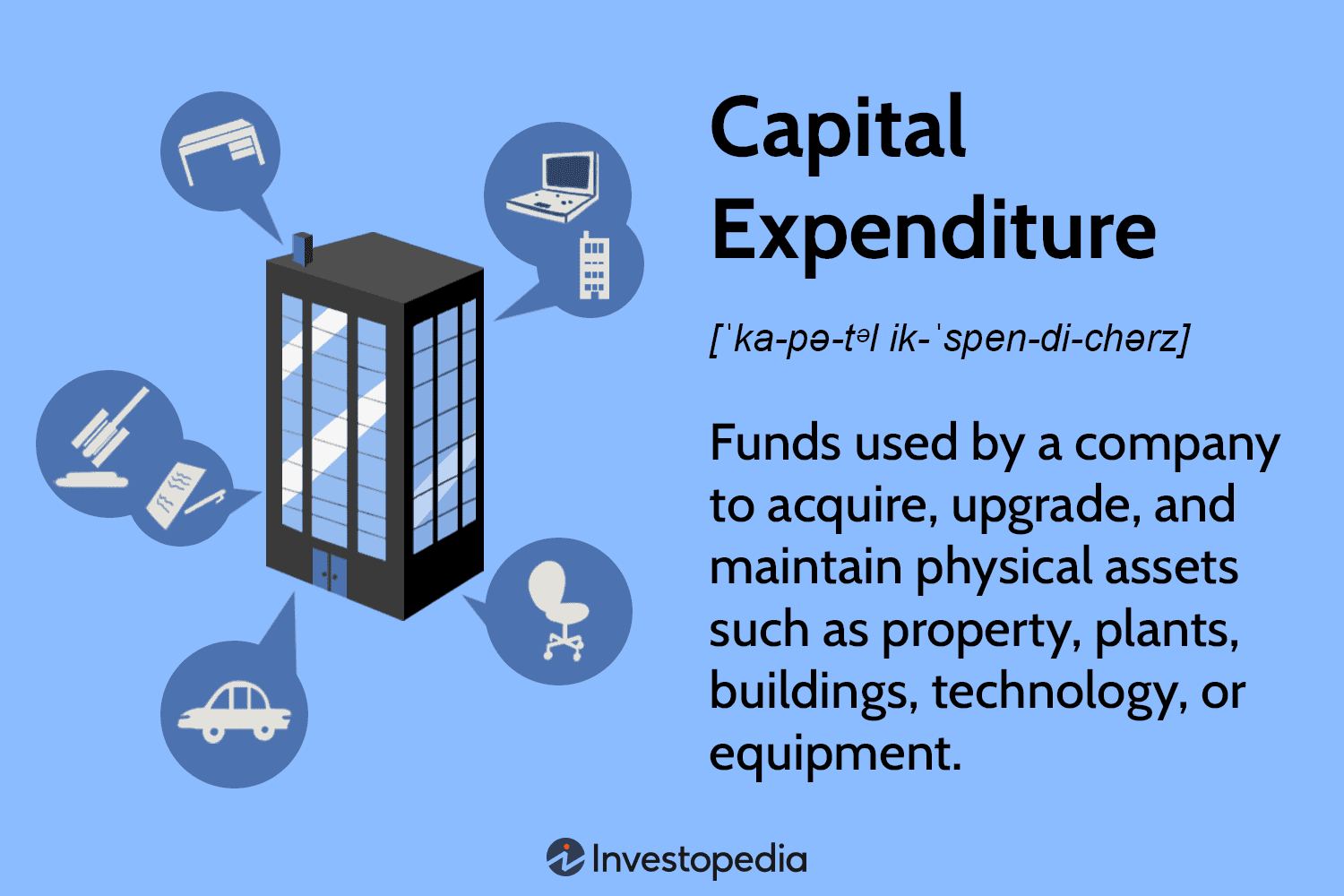
Capital expenditure news has become a critical indicator for understanding economic momentum, corporate confidence, and long-term growth strategies. Often referred to as capex, capital expenditure represents the funds companies allocate toward acquiring, upgrading, or maintaining physical assets such as property, equipment, and infrastructure. Tracking capex trends provides valuable insights into how businesses are positioning themselves for future expansion.
In recent years, capital expenditure has been closely linked with broader economic conditions. When companies increase spending on long-term assets, it often signals optimism about future demand and profitability. Conversely, reduced capital expenditure can indicate uncertainty, cost-cutting measures, or caution in response to economic volatility.
What Capital Expenditure Includes
Capital expenditure typically involves investments in tangible and intangible assets that provide benefits over an extended period. This includes machinery, manufacturing facilities, office buildings, technology infrastructure, and even software systems that enhance operational efficiency.
Unlike operating expenses, which cover day-to-day business activities, capex is focused on long-term growth and capacity building. These investments are usually significant in scale and require careful planning, budgeting, and forecasting.
Latest Capital Expenditure News Trends
Recent capital expenditure news highlights several key trends shaping global markets. Many large corporations are increasing investments in automation, artificial intelligence, and digital infrastructure to remain competitive in a rapidly evolving business environment. Technology-driven capex is now a major focus across industries.
Another notable trend is the rise in infrastructure spending. Governments around the world are launching large-scale projects aimed at boosting economic recovery and improving public services. These initiatives often include investments in transportation, energy, and telecommunications.
Additionally, sustainability has become a central theme in capital expenditure decisions. Companies are allocating funds toward renewable energy, energy-efficient technologies, and environmentally friendly operations. This shift reflects growing regulatory pressure and consumer demand for sustainable practices.
Impact on Economic Growth
Capital expenditure plays a vital role in driving economic growth. When businesses invest in new assets, they create jobs, increase productivity, and stimulate demand across various sectors. Infrastructure projects, in particular, have a multiplier effect, benefiting industries such as construction, manufacturing, and services.
High levels of capex often correlate with periods of economic expansion. As companies build new facilities and expand operations, they contribute to overall economic output. On the other hand, declining capital expenditure can slow growth and signal potential economic downturns.
Corporate Strategies and Capex Planning
Corporate decision-making around capital expenditure is influenced by multiple factors, including market conditions, interest rates, and access to financing. Companies must carefully evaluate the return on investment for each project to ensure long-term profitability.
In recent capital expenditure news, many firms are adopting more strategic and data-driven approaches to capex planning. Advanced analytics and forecasting tools help organizations identify high-impact investments and minimize risks associated with large-scale spending.
Another emerging strategy is phased investment. Instead of committing large sums upfront, companies are breaking projects into smaller stages, allowing for flexibility and better risk management.
Sector-Specific Developments
Different industries exhibit unique capital expenditure patterns. In the technology sector, capex is heavily focused on data centers, cloud infrastructure, and research and development. Meanwhile, manufacturing companies prioritize machinery upgrades and production capacity expansion.
The energy sector has seen significant capex shifts toward renewable sources such as solar, wind, and hydrogen. This transition reflects both environmental considerations and the long-term economic viability of clean energy solutions.
Healthcare is another sector experiencing increased capital expenditure, particularly in medical equipment, digital health systems, and facility expansion. These investments are driven by rising demand for healthcare services and advancements in medical technology.
Challenges Facing Capital Expenditure
Despite its importance, capital expenditure comes with several challenges. Economic uncertainty, fluctuating interest rates, and supply chain disruptions can all impact investment decisions. Companies must balance the need for growth with the risks associated with large financial commitments.
Another challenge is the rapid pace of technological change. Investments in technology can become outdated quickly, requiring businesses to continuously reassess their strategies. This creates pressure to make informed decisions that align with long-term trends.
Regulatory requirements and environmental standards also influence capex planning. Compliance with these regulations can increase costs but is necessary to avoid legal and reputational risks.
Investor Perspective on Capex
Investors closely monitor capital expenditure news as it provides insights into a company’s growth strategy and financial health. High capex can indicate expansion and innovation, but it may also raise concerns about cash flow and debt levels.
Analysts often evaluate capex in relation to revenue growth and profitability. Efficient capital allocation is seen as a positive sign, while excessive or poorly managed spending can negatively impact investor confidence.
Transparency in reporting is also important. Companies that clearly communicate their capex plans and expected returns are more likely to gain investor trust.
The Future of Capital Expenditure
The future of capital expenditure is expected to be shaped by digital transformation, sustainability, and global economic trends. Businesses will continue to invest in technologies that enhance efficiency, improve customer experiences, and drive innovation.
Sustainability will remain a key focus, with increasing investments in green technologies and environmentally responsible practices. Governments and organizations are likely to collaborate on initiatives that promote sustainable development and reduce carbon emissions.
At the same time, geopolitical factors and economic uncertainties will influence capex decisions. Companies must remain agile and adaptable to navigate these challenges effectively.
Conclusion
Capital expenditure news offers valuable insights into the direction of businesses and economies. As companies invest in long-term assets, they shape the future of industries and contribute to economic growth. Understanding capex trends helps investors, analysts, and policymakers make informed decisions in a complex and dynamic environment.
While challenges remain, the continued focus on innovation, sustainability, and strategic planning ensures that capital expenditure will remain a central component of business success. Keeping track of the latest developments in capital expenditure news is essential for anyone looking to understand the evolving global economy.

As a digital marketer, she has received multiple international awards, including Campaign of the Year at the 2023 European Content Awards and Best Use of Content Marketing at the 2022 Global Search Awards. Nicai holds an MSc in Marketing (First Class Honours) from the UCD Smurfit Graduate Business School and she has also completed the Artificial Intelligence Programme at Oxford University’s Saïd Business School. She is also a contributing writer for publications such as Entrepreneur and Esquire.