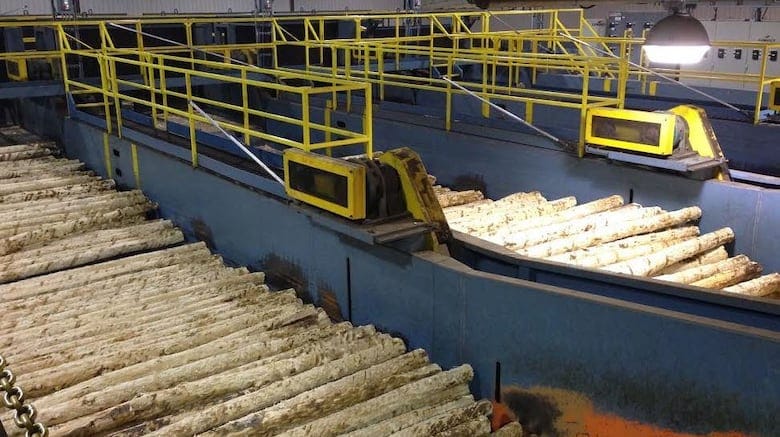
Sawmill news in 2026 reflects a forestry and wood-processing industry navigating price volatility, supply constraints, and increasing demand from construction and manufacturing sectors. As a critical link in the global lumber supply chain, sawmills play a central role in converting raw timber into usable materials for residential, commercial, and industrial applications.
The industry is influenced by multiple factors, including housing demand, environmental regulations, labor availability, and technological innovation. These forces are shaping how sawmills operate, invest, and compete in a rapidly evolving market.
Role of Sawmills in the Lumber Industry
Sawmills are facilities where logs are processed into lumber, boards, and other wood products. They serve as a bridge between forestry operations and end-use industries such as construction, furniture manufacturing, and packaging.
Efficient sawmill operations are essential for maintaining a stable supply of wood products. Any disruption at this stage can impact downstream industries, making sawmill news particularly important for supply chain planning.
Latest Sawmill News Trends
Recent sawmill news highlights fluctuations in lumber prices, driven by changes in housing markets and global demand. Construction activity remains a key driver, with increased building projects leading to higher demand for wood products.
At the same time, supply challenges such as reduced logging activity, weather disruptions, and transportation issues have affected production levels. These factors contribute to ongoing market volatility.
Impact of Housing and Construction Demand
The construction sector is one of the primary consumers of lumber, making it a major influence on sawmill operations. When housing demand increases, sawmills often ramp up production to meet the needs of builders and developers.
Conversely, slowdowns in construction can lead to reduced demand and lower prices. This close relationship between sawmills and the housing market makes economic conditions a critical factor in industry performance.
Technological Advancements in Sawmills
Technology is playing a growing role in modern sawmills. Automation, advanced cutting systems, and data analytics are improving efficiency and reducing waste. These innovations enable sawmills to maximize output while maintaining quality.
Digital tools also allow for better monitoring of operations, helping companies optimize production processes and manage resources more effectively. This shift toward automation is becoming essential for staying competitive.
Sustainability and Environmental Considerations
Sustainability is a major focus in sawmill news. The industry is under increasing pressure to adopt environmentally responsible practices, including sustainable forestry, waste reduction, and energy efficiency.
Many sawmills are implementing practices such as recycling wood waste into biomass energy and using eco-friendly processing methods. These efforts aim to balance economic growth with environmental responsibility.
Challenges Facing the Industry
The sawmill industry faces several challenges, including labor shortages, rising operational costs, and regulatory requirements. Finding skilled workers and maintaining consistent production levels can be difficult, particularly in remote locations.
Additionally, global trade dynamics and tariffs can impact export markets, affecting revenue and competitiveness. Companies must navigate these challenges while maintaining efficiency and profitability.
Global Market Dynamics
Sawmill operations are influenced by global market conditions. Major exporting countries play a significant role in determining supply levels and pricing trends. Changes in international demand can quickly affect local markets.
Emerging markets are also contributing to increased demand for wood products, creating new opportunities for sawmill operators. However, this growth requires investment in infrastructure and capacity expansion.
Future Outlook
The future of sawmills is expected to involve greater use of technology, improved sustainability practices, and continued adaptation to market conditions. As demand for wood products remains strong, the industry will need to balance growth with environmental considerations.
Innovation and efficiency will be key factors in determining success. Companies that invest in modern equipment and sustainable practices are likely to have a competitive advantage.
Conclusion
Sawmill news highlights an industry that is essential to global supply chains and economic development. From price fluctuations and construction demand to technological advancements and sustainability efforts, multiple factors are shaping the sector.
Staying informed about sawmill news provides valuable insight into the trends influencing the lumber industry and the broader economy. As the industry continues to evolve, its role in supporting construction and manufacturing will remain critical.

As a digital marketer, she has received multiple international awards, including Campaign of the Year at the 2023 European Content Awards and Best Use of Content Marketing at the 2022 Global Search Awards. Nicai holds an MSc in Marketing (First Class Honours) from the UCD Smurfit Graduate Business School and she has also completed the Artificial Intelligence Programme at Oxford University’s Saïd Business School. She is also a contributing writer for publications such as Entrepreneur and Esquire.