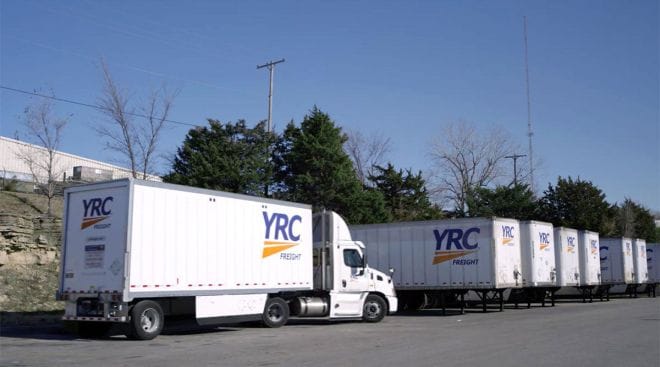
YRC Freight has been at the center of major developments in the trucking and logistics industry, and recent YRC Freight news continues to focus on the aftermath of Yellow Corporation’s bankruptcy, operational shutdown, and its broader impact on supply chains. Once one of the largest less-than-truckload (LTL) carriers in the United States, YRC Freight’s decline marks a significant shift in the transportation sector.
The company’s collapse has not only affected thousands of employees but has also reshaped competition among freight carriers. Businesses that relied on YRC Freight have had to quickly adapt, seeking alternative logistics providers to maintain continuity in their supply chains.
Background of YRC Freight
YRC Freight was a key subsidiary of Yellow Corporation, specializing in less-than-truckload shipping services. The company played a major role in transporting goods across North America, serving a wide range of industries including retail, manufacturing, and agriculture.
With decades of history, YRC Freight built a reputation as a reliable carrier. However, financial challenges, operational inefficiencies, and changing market conditions gradually weakened its position in the industry.
Latest YRC Freight News Developments
Recent YRC Freight news has been dominated by the company’s shutdown and bankruptcy proceedings. Yellow Corporation filed for bankruptcy after facing mounting debt, declining revenue, and ongoing labor disputes. This led to the abrupt cessation of operations, leaving customers and employees in a difficult position.
The closure disrupted freight networks nationwide, forcing shippers to reroute shipments and secure new contracts with other carriers. The sudden nature of the shutdown amplified its impact on the logistics ecosystem.
Impact on Employees and Workforce
One of the most significant consequences of YRC Freight’s collapse has been the loss of jobs. Thousands of workers, including drivers, warehouse staff, and administrative employees, were affected by the shutdown.
Labor unions and government agencies have been involved in addressing the situation, exploring options for support, compensation, and potential reemployment opportunities. The workforce impact highlights the human cost of large-scale corporate failures.
Effects on the Logistics Industry
The disappearance of a major LTL carrier has created both challenges and opportunities within the logistics industry. Competitors have seen increased demand as former YRC Freight customers shift their business to other providers.
This redistribution of freight has led to capacity constraints in some areas, as carriers adjust to handle higher volumes. Pricing dynamics have also been affected, with some rates increasing due to tighter supply.
Supply Chain Disruptions
YRC Freight’s shutdown has had ripple effects across supply chains. Companies that relied on its services have had to quickly identify alternative shipping solutions, often at higher costs or with longer delivery times.
For industries dependent on timely deliveries, such disruptions can impact production schedules, inventory management, and customer satisfaction. The situation underscores the importance of diversification in logistics planning.
Financial and Operational Challenges
The issues leading to YRC Freight’s downfall were not sudden. Years of financial strain, including high debt levels and declining profitability, contributed to the company’s instability. Operational challenges, such as aging infrastructure and inefficiencies, further compounded the problem.
Additionally, labor negotiations and rising costs added pressure, making it difficult for the company to remain competitive in a rapidly evolving market.
Regulatory and Government Involvement
Government agencies have played a role in the unfolding YRC Freight news. In the past, Yellow Corporation received financial assistance aimed at supporting its operations, particularly during periods of economic uncertainty.
Following the bankruptcy, regulators and policymakers have been examining the implications for the transportation sector and considering measures to prevent similar situations in the future.
What Shippers and Businesses Should Consider
For businesses, the YRC Freight situation highlights the importance of risk management in logistics. Relying on a single carrier can create vulnerabilities, especially in times of disruption.
Companies are increasingly adopting strategies such as diversifying carriers, building stronger relationships with logistics providers, and using technology to monitor and manage supply chain risks.
Future of the LTL Market
The long-term outlook for the LTL market remains positive despite recent disruptions. Demand for efficient freight transportation continues to grow, driven by e-commerce, manufacturing, and global trade.
However, the market is expected to become more competitive, with remaining carriers expanding their operations to capture market share. Investments in technology, automation, and infrastructure will play a key role in shaping the future of the industry.
Conclusion
YRC Freight news reflects a major turning point in the logistics sector. The company’s collapse has had far-reaching effects on employees, businesses, and the overall supply chain landscape.
While the industry continues to adjust, the situation serves as a reminder of the importance of financial stability, operational efficiency, and strategic planning. As new dynamics emerge, businesses and logistics providers will need to adapt to a changing environment shaped by both challenges and opportunities.

As a digital marketer, she has received multiple international awards, including Campaign of the Year at the 2023 European Content Awards and Best Use of Content Marketing at the 2022 Global Search Awards. Nicai holds an MSc in Marketing (First Class Honours) from the UCD Smurfit Graduate Business School and she has also completed the Artificial Intelligence Programme at Oxford University’s Saïd Business School. She is also a contributing writer for publications such as Entrepreneur and Esquire.