Artificial intelligence is advancing rapidly and changing how businesses operate across many industries. As companies adopt automation, machine learning, and advanced algorithms, a major question has emerged: will AI replace human jobs? The topic of AI to replace jobs has become a central discussion in technology, economics, and the future of work.
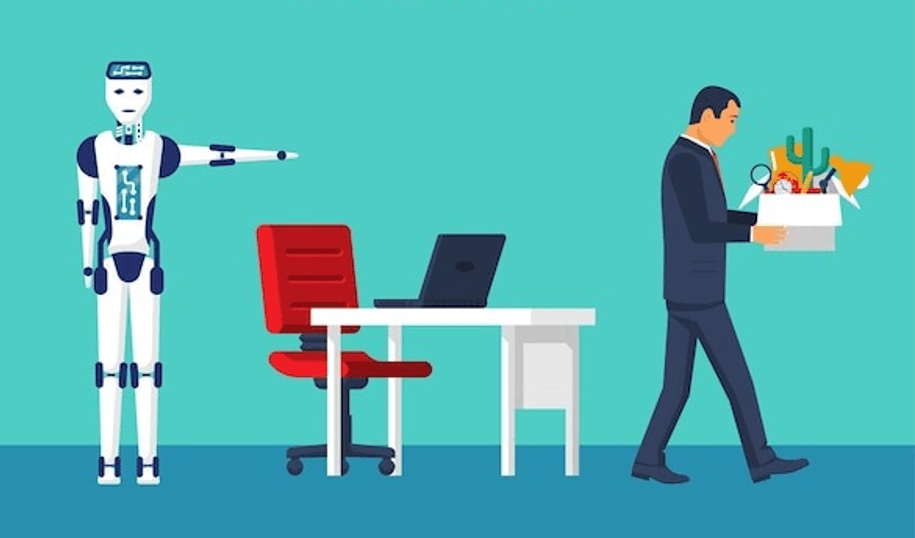
While artificial intelligence has the ability to automate certain tasks, the impact on employment is more complex than simple replacement. Some jobs may disappear, new jobs will likely emerge, and many existing roles will evolve as humans begin working alongside intelligent systems.
How AI Replaces Certain Job Tasks
Artificial intelligence is particularly effective at performing tasks that are repetitive, predictable, and based on data analysis. AI systems can process large amounts of information quickly and perform routine operations with high accuracy.
For example, software powered by AI can review documents, respond to customer questions, and analyze financial data. These capabilities allow businesses to automate certain tasks that previously required human workers.
Industries Most Affected by AI Automation
Some industries are more likely to experience job disruption due to artificial intelligence and automation technologies. Jobs that involve routine activities are often easier for machines to perform.
- Customer support and call centers
- Data entry and administrative tasks
- Manufacturing and assembly work
- Transportation and logistics
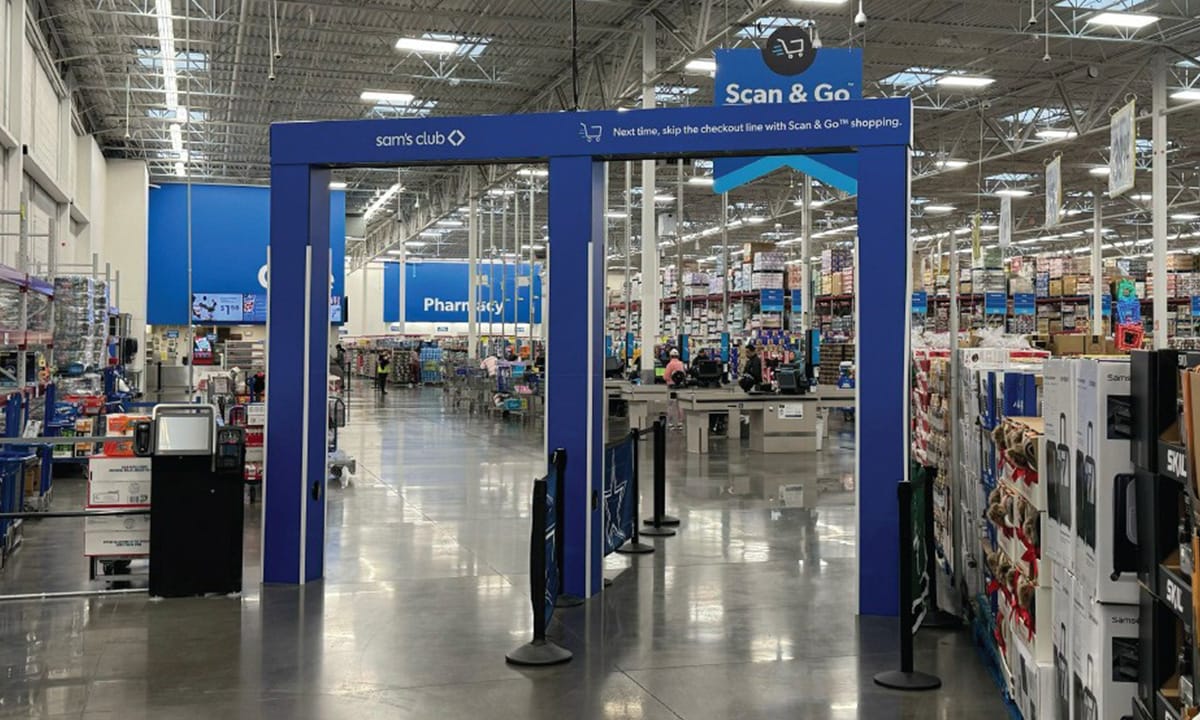
- Retail checkout operations
For instance, automated chatbots can handle basic customer inquiries, while robots and smart machines can perform repetitive tasks in factories.
Jobs Less Likely to Be Replaced by AI
Although artificial intelligence is powerful, there are many roles that are difficult for machines to replace. Jobs that require creativity, empathy, leadership, and complex human interaction remain heavily dependent on human skills.
- Healthcare professionals such as doctors and nurses
- Teachers and education specialists
- Creative professionals like writers and designers
- Psychologists and therapists
- Skilled trades such as electricians and mechanics
These roles often involve emotional intelligence, problem solving, and interpersonal communication that AI systems currently cannot replicate fully.
New Jobs Created by Artificial Intelligence
While automation may eliminate certain positions, it also creates new opportunities. As artificial intelligence becomes more widely used, businesses need professionals to design, maintain, and manage these technologies.
- AI engineers and machine learning specialists
- Data scientists and analysts
- AI ethics and safety experts
- Automation system designers
- Technology consultants
These emerging careers highlight how technological innovation can generate new types of employment.
How Workers Can Prepare for the Future
Adapting to technological change has always been an important part of economic progress. Workers can prepare for the rise of AI by developing skills that complement technology rather than compete with it.
- Learning digital and technical skills
- Improving creativity and problem-solving abilities
- Developing communication and leadership skills
- Pursuing continuous education and training
By focusing on skills that machines cannot easily replicate, workers can remain valuable in an AI-driven economy.
The Future of Work with Artificial Intelligence
Artificial intelligence is likely to transform how people work rather than simply replace human labor entirely. Many organizations will use AI systems to handle repetitive tasks while employees focus on strategic thinking, innovation, and decision-making.
This combination of human expertise and machine intelligence may create more productive workplaces and new forms of collaboration between humans and technology.
Conclusion
The idea of AI to replace jobs reflects both the opportunities and challenges created by rapid technological progress. While some occupations may be automated, artificial intelligence is also expected to create new industries and career paths. The future of work will likely involve humans and AI working together, with technology supporting productivity and innovation rather than completely replacing human talent.

As a digital marketer, she has received multiple international awards, including Campaign of the Year at the 2023 European Content Awards and Best Use of Content Marketing at the 2022 Global Search Awards. Nicai holds an MSc in Marketing (First Class Honours) from the UCD Smurfit Graduate Business School and she has also completed the Artificial Intelligence Programme at Oxford University’s Saïd Business School. She is also a contributing writer for publications such as Entrepreneur and Esquire.