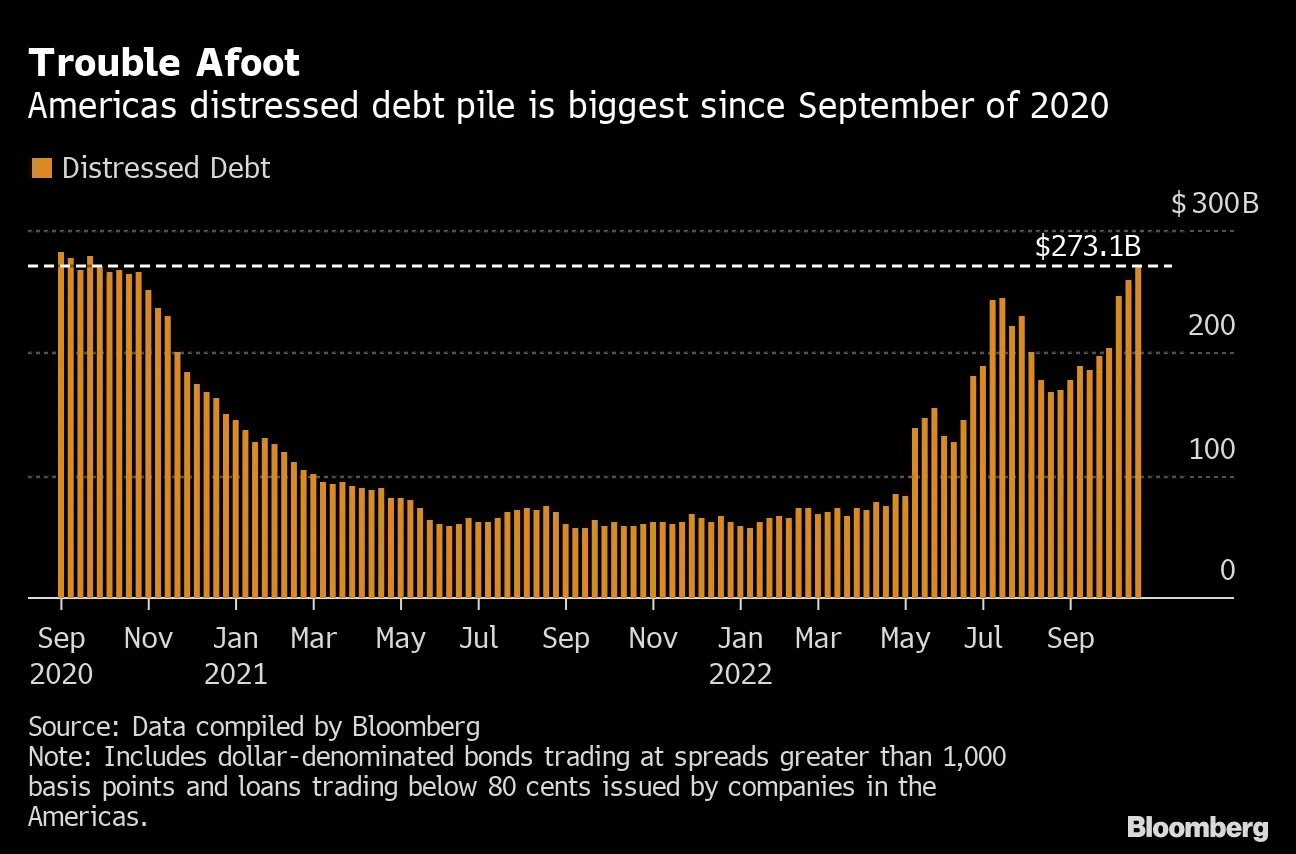
Distressed debt news has become increasingly relevant in today’s financial environment, as global markets continue to face pressure from rising interest rates, economic uncertainty, and shifting industry dynamics. Investors, analysts, and businesses alike are closely monitoring developments in distressed debt markets to understand both the risks and opportunities emerging across different sectors.
In recent months, there has been a noticeable increase in distressed debt activity, particularly in industries affected by technological disruption and tightening credit conditions. Companies struggling with high borrowing costs and declining revenues are finding it more difficult to service their debt, leading to higher default rates and restructuring efforts. This trend has brought distressed debt into sharper focus for financial institutions and investors.
One of the key drivers behind the surge in distressed debt news is the ongoing impact of higher interest rates. As central banks maintain tighter monetary policies, borrowing has become more expensive, placing additional strain on highly leveraged companies. This environment has resulted in a growing number of businesses seeking debt restructuring or facing insolvency, creating new opportunities for distressed asset investors.
Another significant factor influencing distressed debt markets is the role of private credit. Over the past decade, private lending has expanded rapidly, providing alternative financing options for companies. However, as economic conditions become more challenging, parts of this market are now experiencing stress. Rising default rates in private credit portfolios have contributed to increased attention on distressed debt news and its implications.
Distressed debt investors are actively seeking opportunities to acquire assets at discounted prices. Firms specializing in this area often target companies undergoing financial difficulties, aiming to restructure operations and unlock value. This strategy can be highly profitable, but it also carries substantial risks, requiring careful analysis and a deep understanding of market conditions.
Large-scale restructuring cases have also highlighted the complexity of distressed debt situations. In many instances, multiple stakeholders, including lenders, shareholders, and regulators, must negotiate solutions that balance competing interests. These negotiations can lead to debt write-downs, asset sales, or new financing arrangements, all of which shape the broader financial landscape.
Consumer-related distressed debt has also emerged as an important area of concern. Issues such as legacy loans and unresolved mortgage obligations have resurfaced, affecting individuals who may not have anticipated ongoing financial liabilities. These developments underscore the wide-reaching impact of distressed debt, extending beyond corporations to everyday borrowers.
Market participants are increasingly relying on distressed debt news to guide investment decisions and risk management strategies. Accurate and timely information helps stakeholders assess potential exposures and identify emerging trends. As a result, financial reporting in this area has become more detailed and data-driven, reflecting the complexity of modern credit markets.
Looking ahead, the distressed debt landscape is expected to remain dynamic. Continued economic uncertainty, combined with structural changes in key industries, suggests that distressed opportunities will persist. Investors who can navigate these conditions effectively may benefit from the evolving market, while others must remain cautious of potential losses.
In conclusion, distressed debt news provides critical insights into the health of global financial systems and the challenges faced by borrowers and lenders. As defaults rise and restructuring efforts increase, this segment of the market will continue to attract attention. Staying informed about these developments is essential for anyone seeking to understand the broader economic environment and its future direction.

As a digital marketer, she has received multiple international awards, including Campaign of the Year at the 2023 European Content Awards and Best Use of Content Marketing at the 2022 Global Search Awards. Nicai holds an MSc in Marketing (First Class Honours) from the UCD Smurfit Graduate Business School and she has also completed the Artificial Intelligence Programme at Oxford University’s Saïd Business School. She is also a contributing writer for publications such as Entrepreneur and Esquire.