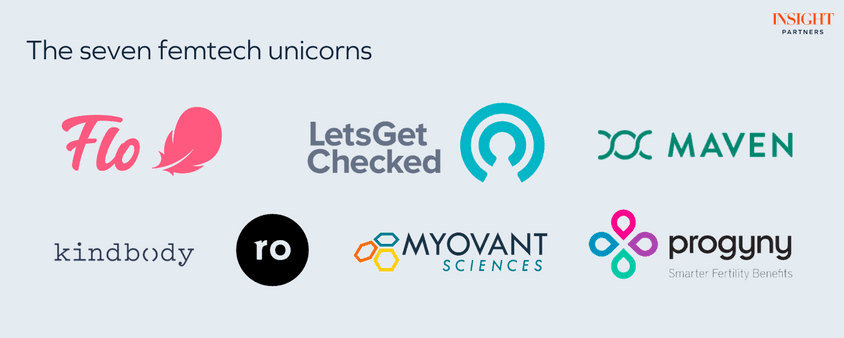
Fertility technology companies are transforming the way individuals and couples approach reproductive health and family planning. By combining healthcare, biotechnology, and digital innovation, fertility tech companies are making fertility services more accessible, personalized, and efficient. These companies operate within the broader “femtech” industry, which focuses on technology-driven solutions designed to improve women’s health.
Advancements in medical technology, data analytics, and mobile health applications have created new opportunities for fertility tracking, assisted reproductive treatments, and genetic testing. As more people delay parenthood and seek support for fertility challenges, the demand for fertility technology solutions continues to grow worldwide.
What Are Fertility Tech Companies?
Fertility tech companies are businesses that develop technology products and services to support reproductive health and fertility care. These solutions can range from mobile apps that track ovulation cycles to advanced laboratory technologies used in in vitro fertilization (IVF) treatments.
Many fertility tech companies focus on providing digital platforms that help individuals understand their reproductive health. Others develop medical devices, fertility testing kits, or specialized clinics that combine technology with reproductive healthcare.
How Technology Is Transforming Fertility Care
Technology is significantly changing how fertility care is delivered. Traditional fertility treatments often required multiple clinic visits and complex medical procedures. Today, digital health tools and innovative medical technologies are simplifying the process and making it more accessible.
Fertility Tracking Apps
Mobile apps that track menstrual cycles and ovulation patterns have become extremely popular. These apps use algorithms and data analysis to predict fertility windows and help users better understand their reproductive cycles.
At-Home Fertility Testing
Many fertility tech companies now offer at-home hormone testing kits. These kits allow individuals to collect samples at home and send them to laboratories for analysis. The results provide insights into fertility health without requiring immediate clinic visits.
Artificial Intelligence in Fertility Treatment
Artificial intelligence is increasingly used in fertility clinics to analyze embryo quality and improve IVF success rates. AI-powered tools can assist doctors in selecting the most viable embryos during fertility treatments.
Telehealth Fertility Services
Telehealth platforms allow patients to consult fertility specialists remotely. Virtual consultations make fertility care more accessible, especially for individuals who live far from specialized fertility clinics.
Leading Fertility Tech Companies
Several companies have emerged as leaders in the fertility technology space. These organizations combine healthcare expertise with technological innovation to improve reproductive health services.
Modern Fertility
Modern Fertility is known for its at-home fertility hormone testing kits. The company helps individuals understand their fertility health through laboratory testing and digital health insights.
Progyny
Progyny focuses on providing fertility benefits through employer-sponsored healthcare programs. The company partners with businesses to offer fertility support and treatment coverage to employees.
Kindbody
Kindbody operates a network of fertility clinics that integrate technology-driven healthcare services. The company offers fertility testing, IVF treatments, and reproductive health services supported by digital platforms.
Ovia Health
Ovia Health provides mobile applications that help users track fertility, pregnancy, and overall reproductive health. The platform uses personalized data to deliver insights and health recommendations.
The Role of Data in Fertility Technology
Data plays a crucial role in modern fertility technology solutions. By analyzing large amounts of health data, fertility tech companies can provide personalized insights and improve treatment outcomes.
For example, predictive analytics can help estimate fertility windows, track hormonal patterns, and assist doctors in developing customized treatment plans. Data-driven technologies allow patients and healthcare providers to make more informed decisions about reproductive health.
Challenges in the Fertility Tech Industry
Despite rapid growth, fertility tech companies face several challenges. Regulatory requirements, data privacy concerns, and the complexity of reproductive medicine can create obstacles for startups and healthcare providers.
Another challenge is affordability. Fertility treatments such as IVF can be expensive, and not all insurance plans provide coverage. Many companies are working to develop more affordable solutions and expand access to fertility services.
The Future of Fertility Technology
The future of fertility technology looks promising as innovation continues to accelerate. Advances in artificial intelligence, genetic testing, and reproductive medicine are expected to improve fertility treatment success rates and expand available options for patients.
In addition, increased awareness of reproductive health is encouraging investment in femtech startups and fertility innovation. Governments, healthcare organizations, and investors are recognizing the importance of improving access to fertility care worldwide.
Conclusion
Fertility tech companies are playing an important role in reshaping reproductive healthcare. By combining medical expertise with modern technology, these companies are making fertility care more accessible, personalized, and data-driven.
As technology continues to evolve, fertility tech companies will likely introduce even more innovative solutions that support individuals and couples on their journey to parenthood. Their work is helping transform fertility care into a more transparent, accessible, and technology-enabled healthcare experience.

As a digital marketer, she has received multiple international awards, including Campaign of the Year at the 2023 European Content Awards and Best Use of Content Marketing at the 2022 Global Search Awards. Nicai holds an MSc in Marketing (First Class Honours) from the UCD Smurfit Graduate Business School and she has also completed the Artificial Intelligence Programme at Oxford University’s Saïd Business School. She is also a contributing writer for publications such as Entrepreneur and Esquire.