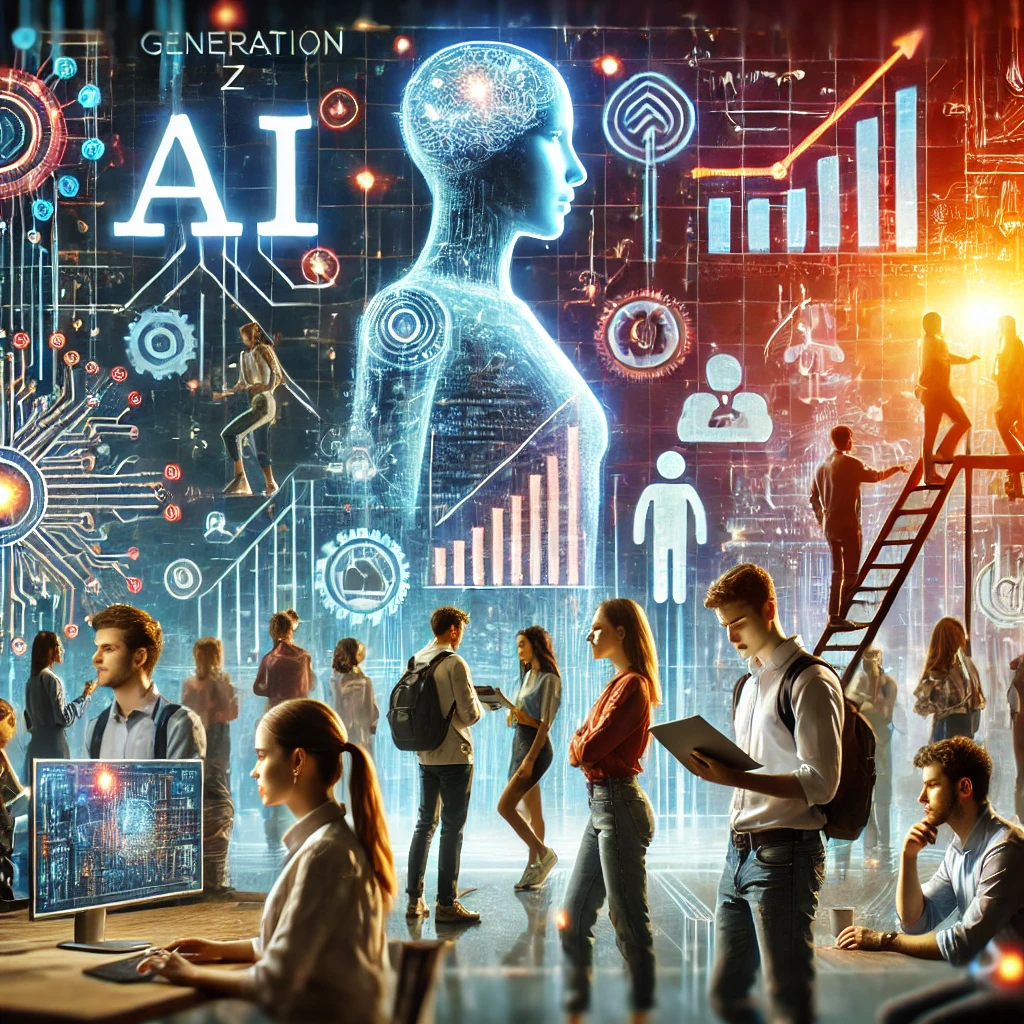
Artificial intelligence is rapidly becoming part of everyday life, and Generation Z is leading the way in adopting this technology. Gen Z, the generation born roughly between the late 1990s and early 2010s, grew up with smartphones, social media, and instant access to digital information. Because of this, Gen Z AI usage is expanding quickly across education, content creation, work, and communication.
Unlike older generations that had to adapt to digital technology later in life, Gen Z is naturally comfortable using new tools. Artificial intelligence platforms such as AI chatbots, creative tools, and automation software are now part of how many young people study, create content, and explore career opportunities.
Who Is Generation Z?
Generation Z refers to the group of individuals born after Millennials, typically between 1997 and 2012. This generation is often described as digital natives because they grew up with internet-connected devices and social media platforms.
Because of this early exposure to technology, Gen Z tends to adopt emerging technologies faster than previous generations. Artificial intelligence tools fit naturally into their daily routines, making them some of the most active AI users today.
How Gen Z Uses AI in Education
Education is one of the areas where Gen Z AI adoption is growing rapidly. Many students use AI-powered tools to assist with research, writing, and understanding complex topics.
- AI chatbots for answering academic questions
- AI writing tools for editing and improving essays
- AI study assistants that summarize information
- AI tutors that help explain difficult concepts
These tools help students learn more efficiently and access information faster than traditional study methods.
AI and Content Creation
Gen Z is also using artificial intelligence extensively for creative work. Many young creators use AI tools to generate images, edit videos, write scripts, and design digital content.
Social media platforms such as TikTok, Instagram, and YouTube have made content creation a major activity for Gen Z. AI-powered editing tools make it easier for creators to produce professional-looking content quickly.
AI in Everyday Communication
Artificial intelligence is also changing how Gen Z communicates online. AI tools help with writing messages, translating languages, and even generating social media captions.
Many digital platforms now include built-in AI assistants that help users respond to emails, summarize conversations, or suggest replies in messaging apps.
Career Opportunities in AI
Gen Z is entering the workforce during a time when artificial intelligence is transforming industries. Many young professionals are exploring careers related to AI development, machine learning, and data analysis.
Even outside technical roles, AI literacy is becoming an important skill in fields such as marketing, business, healthcare, and media.
Challenges of AI Adoption
Although AI offers many benefits, it also raises important concerns. Some educators worry that students may rely too heavily on AI tools when completing assignments. Others are concerned about privacy, misinformation, and the ethical use of artificial intelligence.
Learning how to use AI responsibly will be an important challenge for Gen Z as these technologies become more powerful.
The Future of Gen Z and AI
As artificial intelligence continues to evolve, Gen Z will likely play a major role in shaping how the technology is used. Their comfort with digital tools and creative use of AI platforms positions them as leaders in the next wave of technological innovation.
Businesses, educators, and technology companies are already studying how Gen Z interacts with AI to better understand the future of digital products and services.
Conclusion
Gen Z AI adoption is transforming how young people learn, communicate, and create. From AI-powered study tools to creative platforms and career opportunities, artificial intelligence is becoming deeply integrated into the lives of this digital generation. As the technology continues to advance, Generation Z will likely remain one of the most influential groups shaping the future of artificial intelligence.

As a digital marketer, she has received multiple international awards, including Campaign of the Year at the 2023 European Content Awards and Best Use of Content Marketing at the 2022 Global Search Awards. Nicai holds an MSc in Marketing (First Class Honours) from the UCD Smurfit Graduate Business School and she has also completed the Artificial Intelligence Programme at Oxford University’s Saïd Business School. She is also a contributing writer for publications such as Entrepreneur and Esquire.