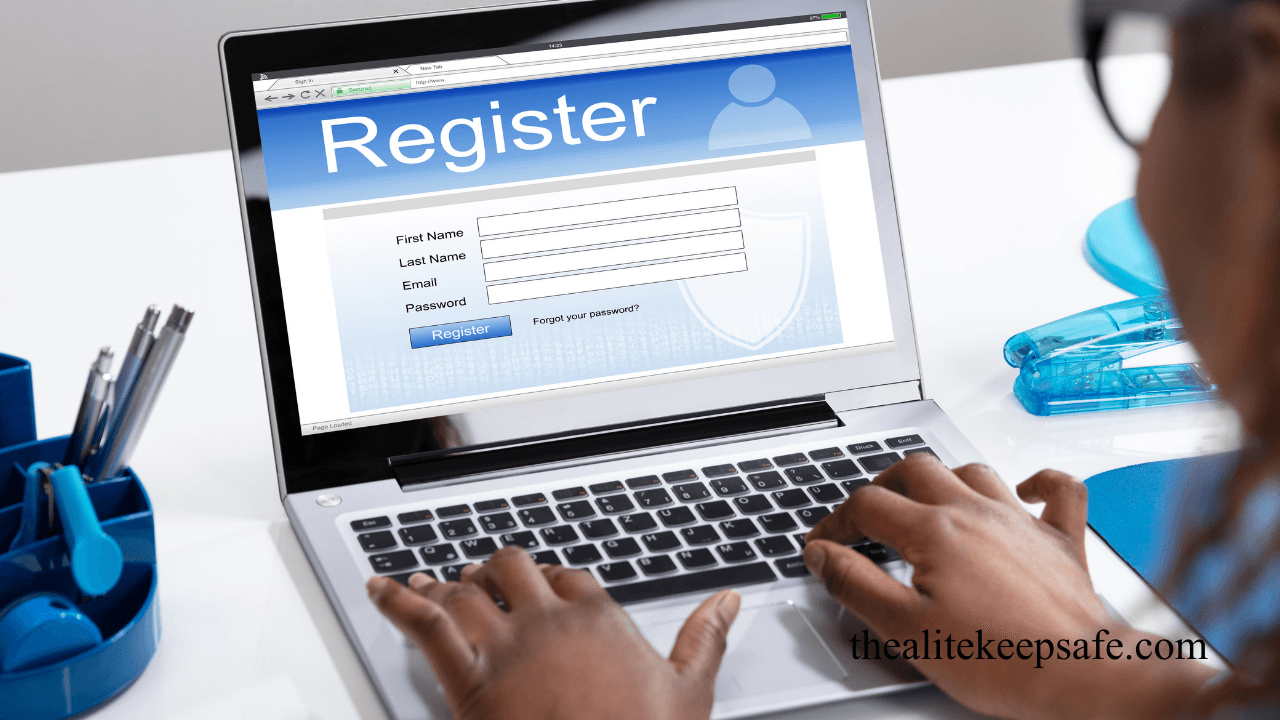
Searching for register on aelftech com usually means you’re ready to create an account—but you want to do it safely. That’s smart. Sign-up pages are one of the most targeted places for scams, phishing links, and “data-hungry” forms that ask for more information than they truly need.
This guide walks you through a practical signup guide, explains how email verification usually works, shares strong password tips, and highlights exactly what you should not share during registration. The goal is simple: help you create your account with minimal risk, maximum privacy, and fewer headaches later.

Before You Register: Quick Safety Checks
Before you click “Sign Up,” take 60 seconds to verify you’re on the real site and not an imitation page designed to steal credentials.
1) Confirm the exact domain
- Type the domain directly into your browser (avoid random links from ads or messages).
- Watch for look-alike spellings (extra dashes, swapped letters, or unusual endings).
- Bookmark the correct page once you confirm it.
2) Check for HTTPS and the lock icon
A legitimate registration page should load over HTTPS (you’ll see a lock icon in the browser). HTTPS is not “proof” the site is trustworthy, but it is a baseline requirement because it encrypts your data in transit.
3) Scan the page for trust cues
- Does the site clearly explain what it offers and what the account is for?
- Is there a visible support path (help page or contact page) if something goes wrong?
- Are Terms/Privacy pages present and easy to find?
If anything feels “off” (broken layout, too many pop-ups, or aggressive urgency), pause and verify again before proceeding.
Register on Aelftech Com: Step-by-Step Signup Guide
While exact screens can vary, most account creation flows follow the same pattern. Use this step-by-step approach when you register on aelftech com.
Step 1: Open the official sign-up page
Navigate from the homepage or a clearly labeled “Register / Sign Up” button. Avoid sign-up links found in random emails, social posts, or forwarded messages until you confirm the source.
Step 2: Use a dedicated email address (recommended)
For better privacy, consider using an email address you keep specifically for accounts and services—especially if you sign up for many platforms. This reduces exposure if marketing lists leak or if you start receiving suspicious messages.
Step 3: Create a strong password (don’t reuse)
Password reuse is one of the biggest risks during registration. If you reuse an old password and that password is leaked elsewhere, attackers may try it on multiple sites (credential stuffing).
For deeper guidance, review our password safety resource here: Password Safety (Google Docs & account risks). (It’s especially important if you store passwords in notes or documents—those can be exposed through account compromise.)
Step 4: Fill only the required fields
Many sign-up forms ask for extra details like phone numbers, address, or date of birth. Only provide what’s truly required to create the account and verify it. Optional fields can often be skipped or completed later if you actually need the feature.
Step 5: Complete email verification
Most platforms send a verification email to confirm you control the address. Typical safe workflow:
- Open your inbox and find the verification email.
- Check the sender domain matches the official site’s domain.
- Click the verification button/link only if it points to the correct domain.
If you don’t receive a code/link, use the “Resend verification email” option—don’t search random websites for “verification links” or call numbers listed on unofficial pages.
Step 6: Enable extra security if available
After successful registration, look for security settings such as:
- Two-factor authentication (2FA)
- Login alerts (email or app notifications)
- Backup codes (store them safely)
Even basic 2FA can block many common account takeover attempts.
What to Avoid Sharing During Registration
A safe sign-up is not just about getting in—it’s about protecting your identity and limiting what you expose. When you register on aelftech com, avoid sharing the following unless it’s clearly required and you trust the platform.
1) Passwords you’ve used elsewhere
Never reuse passwords. Use a unique password for every site. If one platform is breached, your other accounts remain safe.
2) One-time codes or verification tokens
If anyone asks for your OTP (one-time password) or verification code—by phone, chat, or email—treat it as a scam. Real support teams do not need your OTP to help you.
3) Full identity documents
Be cautious if a standard sign-up form requests ID scans, passports, or national ID numbers without a clear compliance reason. If identity verification is needed, it should be explained transparently and handled through a secure, reputable process.
4) Bank details or card information for “verification”
Some scams use “small verification charges” to collect payment details. Only enter payment information on trusted, secure checkout pages—and only when you are intentionally purchasing a service.
5) Too much personal profiling
Date of birth, exact address, employer, and other sensitive details can increase the impact of identity fraud if leaked. Provide the minimum needed, then adjust privacy settings after registration.
Email Verification: Quick Authenticity Checklist
Since email verification is a common step in the signup guide, here’s a simple checklist you can use in seconds:
- Sender: Does the email come from an official-looking domain (not a free email provider)?
- Links: Hover (don’t click) and confirm the link points to the correct domain.
- Language: Watch for threats, urgency, or “confirm your password” prompts.
- Attachments: Verification emails usually don’t need attachments—avoid opening them.
If you suspect a verification email is fake, do not click it. Instead, go back to the website by typing the domain directly, and request a fresh verification email from within your account settings.
Strong Password Tips That Actually Work
Strong passwords are less about complexity tricks and more about uniqueness and length. Use these strong password tips:
- Use a passphrase: 4–6 random words is often stronger and easier to remember than short “complex” strings.
- Make it unique: Never reuse across sites.
- Use a password manager: It helps generate and store strong passwords safely.
- Protect your recovery email: If attackers get your email, they can reset many accounts.
If you store passwords anywhere, avoid keeping them in plain documents. Learn more on our guide: Password Safety (including Google Docs password risk).
What to Do If Registration Fails or Seems Suspicious
Sometimes sign-ups fail due to technical issues, but “weird” failures can also be a sign of a fake page or a compromised flow. If something seems suspicious:
- Stop and confirm the domain spelling again.
- Clear your browser cache or try a different browser/device.
- Do not retry repeatedly if you’re unsure—you could be feeding data to a phishing page.
- Use trusted support channels to ask for help.
If you want help verifying what you’re seeing, use our contact page to reach out safely.
FAQ: Register on Aelftech Com
1) What does “register on aelftech com” mean?
register on aelftech com refers to creating a new account on the aelftech.com website, typically by entering an email address, setting a password, and completing an email verification step.
2) What information should I provide during registration?
Provide only the required fields. Avoid sharing sensitive data like passwords used elsewhere, OTP codes, or banking details unless you are intentionally completing a secure purchase and understand why the data is needed.
3) How do I know the verification email is legitimate?
Check that the sender domain matches the official website domain, and confirm the verification link points to the correct domain before clicking. If unsure, return to the website by typing the address directly and resend verification from there.
4) What are the best strong password tips for new accounts?
Use a long, unique passphrase (or a password manager), never reuse passwords across sites, and protect your email account because it’s often used for password resets.
5) Who can I contact if I’m stuck or worried about scams?
Use trusted, official contact channels. For safety guidance and verification help, you can reach us via our contact page.
Final Thoughts
To register on aelftech com safely, focus on three things: verify the real domain, use strong and unique credentials, and share the minimum necessary information. Most account problems and scams happen when users rush through sign-up, click the wrong link, or reuse passwords.
Take the extra minute to do the checks above—your future self will thank you. And if you want a deeper walkthrough on protecting credentials, visit our Password Safety guide or reach out through contact.

As a digital marketer, she has received multiple international awards, including Campaign of the Year at the 2023 European Content Awards and Best Use of Content Marketing at the 2022 Global Search Awards. Nicai holds an MSc in Marketing (First Class Honours) from the UCD Smurfit Graduate Business School and she has also completed the Artificial Intelligence Programme at Oxford University’s Saïd Business School. She is also a contributing writer for publications such as Entrepreneur and Esquire.