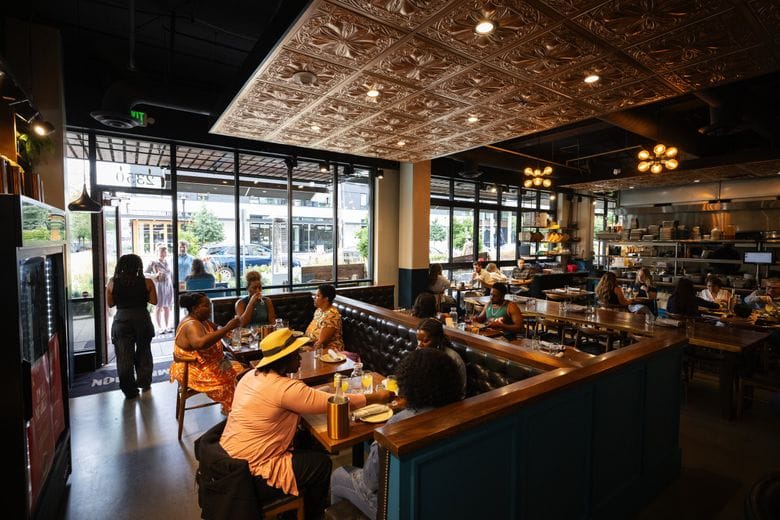
Seattle restaurant news continues to reflect a fast-moving dining market shaped by new openings, neighborhood-level experimentation, and ongoing financial pressure on operators. In early 2026, the city’s food scene has been defined by a combination of fresh concepts entering the market and established businesses adjusting to higher costs, changing traffic patterns, and tougher operating conditions.
That mix of optimism and instability is what makes Seattle’s restaurant landscape especially notable right now. On one side, new restaurants are drawing attention with distinctive formats, niche cuisines, and highly localized branding. On the other, closures and ownership transitions show how difficult it remains to run a profitable restaurant in a city where rent, labor, and supply costs remain elevated.
New Restaurant Openings Are Driving Interest
One of the biggest themes in Seattle restaurant news is the steady arrival of new dining concepts across the city. Recent openings have included everything from Roman-style pizza spots and Korean casual eateries to expansion plays from nationally recognized brands. This variety suggests that consumer demand is still strong for fresh restaurant experiences, especially when operators can offer a clear identity, strong execution, or a convenient location.
Seattle’s newer restaurant openings also show that the market is not moving in just one direction. Some businesses are leaning into polished, destination-style dining, while others are succeeding with simpler formats such as counter service, bakery models, and neighborhood-focused menus. That flexibility is becoming essential in a market where diners want both quality and value.
Closures Remain Part of the Story
At the same time, closures remain a major part of Seattle restaurant news. Restaurant turnover is not unusual in any major city, but recent developments in Seattle suggest that the pressure on operators is still significant. Businesses with long histories, loyal followings, or strong locations are not automatically insulated from rising expenses and operational strain.
In many cases, closures are linked to issues such as labor costs, rent burdens, debt, or reduced predictability in customer traffic. Some restaurants are shutting down entirely, while others are being reworked under new ownership or relaunched in modified formats. The result is a dining scene that remains active, but also volatile.
Neighborhood Identity Still Matters
Seattle’s restaurant scene remains strongly shaped by neighborhood identity. Openings in areas such as Capitol Hill, Pioneer Square, the Chinatown-International District, and the University District often attract attention not only because of the food itself, but because each neighborhood carries its own customer base, foot traffic patterns, and brand expectations.
This means restaurant success in Seattle is often tied to more than just menu quality. Operators must align with the rhythm of the neighborhood, understand local demand, and adapt to how people actually dine in that part of the city. A concept that works in one district may need major adjustments to succeed elsewhere.
Value and Convenience Are Becoming More Important
Another major trend in Seattle restaurant news is the growing importance of value. Diners still want memorable meals, but they are also more conscious of price, portion size, and overall experience. That has created opportunities for restaurants that can combine good quality with efficiency and pricing discipline.
Convenience also remains central. Quick-service models, hybrid dine-in and takeout formats, and restaurants built for digital ordering continue to have an advantage. Consumers increasingly expect restaurants to perform well both in person and through delivery or pickup channels, which adds operational complexity but also expands revenue opportunities.
Seattle’s Dining Scene Is Balancing Local and National Brands
Seattle has long been known for independent restaurants, and that remains a core strength of the city. However, recent restaurant news also shows continued movement from larger chains and regional brands entering the market. This creates a more competitive environment, particularly for categories such as fast casual, coffee, bakery, and specialty comfort food.
For independent operators, the challenge is differentiation. Restaurants that tell a strong story, build neighborhood loyalty, or offer something highly specific tend to stand out more effectively than those with a generic concept. For diners, the result is a broader range of options, but also a market where competition is increasingly intense.
Food Trends Continue to Evolve
Seattle restaurant news also points to continuing shifts in what diners are looking for. International flavors remain a major force, but execution matters more than novelty alone. Restaurants are drawing attention with focused menus, strong specialty items, and concepts that feel deliberate rather than overly broad.
There is also continued demand for comfort-driven food, shareable formats, and menu items that travel well for off-premise dining. Bakeries, pizza concepts, noodle spots, and casual formats with strong repeat appeal appear especially well positioned in the current environment.
Operating Costs Are Still a Serious Challenge
No serious look at Seattle restaurant news is complete without discussing economics. Restaurants across the city continue to face pressure from wages, food costs, rent, utilities, and general overhead. Even businesses with strong demand may struggle if margins remain too thin or if staffing becomes inconsistent.
This financial pressure helps explain why restaurant news in Seattle often includes both excitement and caution. A celebrated opening can generate buzz, but sustained success depends on cost control, operational discipline, and the ability to keep customers returning after the initial wave of attention fades.
What Seattle Restaurant News Signals for the Rest of 2026
Looking ahead, Seattle’s restaurant sector appears likely to remain active but selective. More openings are expected, especially from operators with clear concepts and disciplined expansion plans. At the same time, additional closures or restructurings would not be surprising given the city’s cost environment and the competitive pressure across multiple dining categories.
That means Seattle restaurant news will likely continue to be defined by two parallel stories: growth through innovation and stress through economics. Restaurants that can balance creativity with operational realism will have the best chance of lasting success.
Conclusion
Seattle restaurant news in 2026 shows a market that is still vibrant, ambitious, and highly competitive. New restaurants are bringing energy to the city, while closures and ownership changes reveal the financial realities behind the industry. For diners, that means a constantly changing food scene with plenty of new options. For operators, it means survival depends on adaptability, clarity, and execution.
As the year continues, Seattle will remain one of the more interesting urban dining markets to watch. Its restaurant industry is still evolving in real time, shaped by local identity, consumer expectations, and the ongoing challenge of building a sustainable business in a demanding environment.

As a digital marketer, she has received multiple international awards, including Campaign of the Year at the 2023 European Content Awards and Best Use of Content Marketing at the 2022 Global Search Awards. Nicai holds an MSc in Marketing (First Class Honours) from the UCD Smurfit Graduate Business School and she has also completed the Artificial Intelligence Programme at Oxford University’s Saïd Business School. She is also a contributing writer for publications such as Entrepreneur and Esquire.