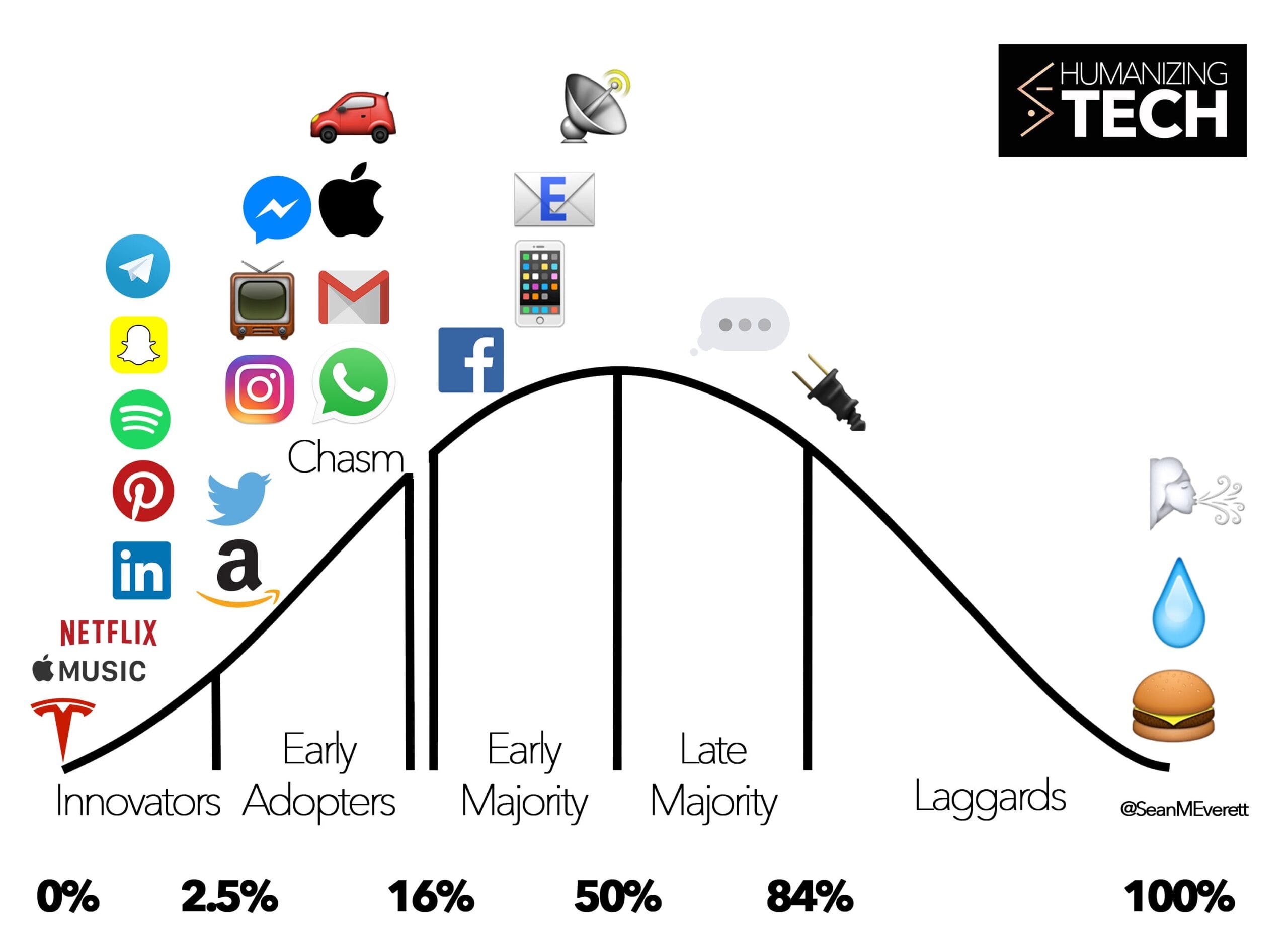
Tech adoption refers to the process by which individuals, organizations, or societies begin to use new technologies in their daily activities or operations. As innovation continues to accelerate, businesses and consumers regularly adopt new digital tools, devices, and systems that improve productivity, communication, and efficiency. From smartphones and cloud computing to artificial intelligence and automation, technology adoption plays a major role in shaping modern life.
The speed at which technology is adopted often determines how quickly organizations can remain competitive in a rapidly changing digital environment.
What Is Tech Adoption?
Tech adoption is the integration of new technological tools, systems, or platforms into everyday processes. This process can involve learning new software, upgrading hardware systems, or implementing digital solutions that replace traditional methods.
Technology adoption can occur at different levels, including individual users adopting personal devices or businesses implementing advanced enterprise systems.
Stages of Technology Adoption
The process of adopting new technology often follows several stages as users become familiar with the innovation.
- Awareness of a new technology
- Interest in learning about its benefits
- Evaluation of how it can be used
- Trial or testing phase
- Full adoption and regular use
These stages help users gradually transition from traditional methods to modern technological solutions.
Technology Adoption in Businesses
Businesses often adopt technology to improve efficiency, reduce costs, and increase productivity. Digital transformation initiatives frequently involve adopting new tools that automate processes, improve communication, and enhance customer service.
Examples of business technology adoption include cloud computing, data analytics platforms, cybersecurity systems, and artificial intelligence applications.
Factors That Influence Tech Adoption
Several factors can influence how quickly people and organizations adopt new technology.
- Ease of use and accessibility
- Cost of implementation
- Compatibility with existing systems
- Perceived benefits and efficiency improvements
- Training and support availability
When technology is simple to use and clearly improves performance, adoption tends to happen more quickly.
Challenges in Technology Adoption
Despite the benefits, adopting new technology can present challenges. Organizations may face resistance from employees who are unfamiliar with new systems or concerned about learning new processes.
Technical issues, integration challenges, and training requirements can also slow the adoption process.
Tech Adoption in Everyday Life
Technology adoption is not limited to businesses. Individuals adopt new technologies as they become available and more accessible. Smartphones, social media platforms, wearable devices, and smart home systems are examples of technologies that have been widely adopted by consumers.
These technologies influence how people communicate, work, shop, and access information.
The Role of Innovation in Adoption
Innovation drives technology adoption by introducing new tools that solve problems or improve existing processes. Companies that invest in research and development often lead the market by introducing technologies that others later adopt.
As new innovations emerge, adoption patterns continue to evolve across industries and communities.
Benefits of Tech Adoption
Adopting new technology can provide several advantages for both individuals and organizations.
- Improved efficiency and productivity
- Enhanced communication and collaboration
- Access to new digital services and tools
- Greater competitiveness in business environments
- Improved customer experiences
These benefits encourage organizations and individuals to embrace technological advancements.
Future Trends in Technology Adoption
As technology continues to evolve, new innovations such as artificial intelligence, automation, and advanced data analytics are expected to drive further adoption. Businesses and consumers are likely to integrate these technologies into everyday activities to improve performance and convenience.
The speed of technology adoption may continue to increase as digital solutions become more accessible and user-friendly.
Conclusion
Tech adoption plays a critical role in shaping modern society by enabling individuals and organizations to benefit from new innovations. By integrating digital tools and systems into daily activities, people can improve efficiency, productivity, and communication. As new technologies continue to emerge, understanding the adoption process will remain essential for staying competitive and adapting to a rapidly evolving technological landscape.

As a digital marketer, she has received multiple international awards, including Campaign of the Year at the 2023 European Content Awards and Best Use of Content Marketing at the 2022 Global Search Awards. Nicai holds an MSc in Marketing (First Class Honours) from the UCD Smurfit Graduate Business School and she has also completed the Artificial Intelligence Programme at Oxford University’s Saïd Business School. She is also a contributing writer for publications such as Entrepreneur and Esquire.