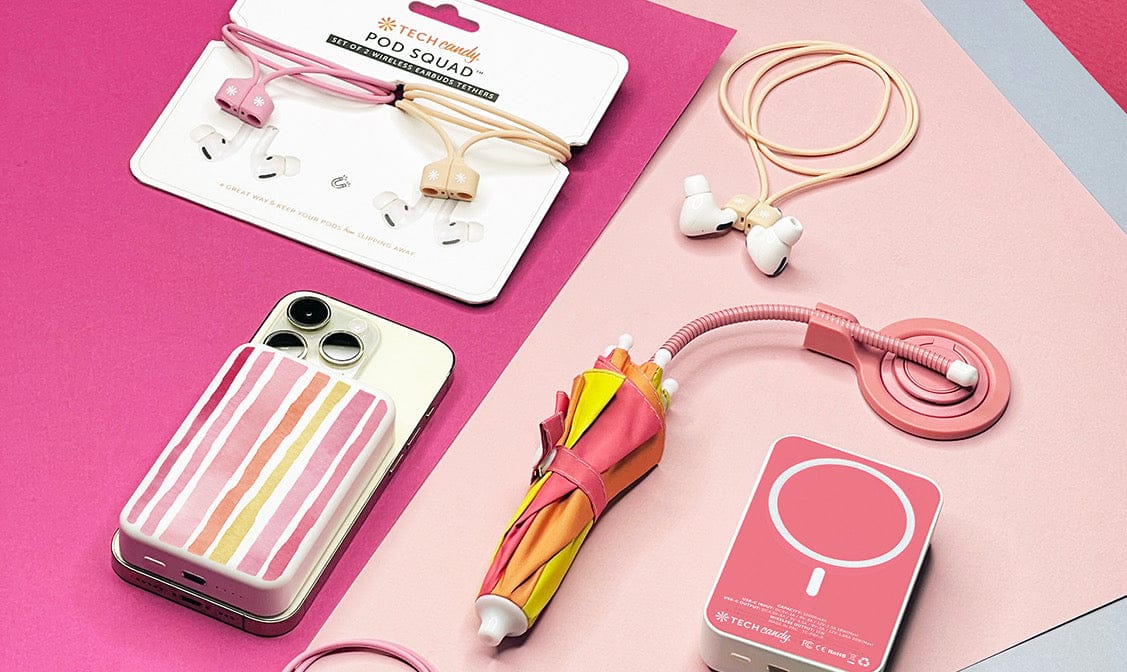
Tech candy is a term commonly used to describe technology products and gadgets that are visually appealing, innovative, and enjoyable to use. Much like the idea of candy being attractive and satisfying, tech candy refers to devices or accessories that capture attention through their design, functionality, or novelty. These products often combine style and technology to create items that are both practical and entertaining.
In modern consumer electronics, tech candy can include smartphones, smartwatches, headphones, gaming accessories, or unique gadgets that stand out because of their design or creative features.
What Is Tech Candy?
Tech candy generally refers to technology items that people enjoy using not only for their functionality but also for their aesthetics and user experience. These products often feature sleek designs, vibrant displays, and advanced capabilities that make them attractive to technology enthusiasts.
The term is often used informally to describe gadgets that are exciting, trendy, or visually impressive.
Examples of Tech Candy
There are many types of products that could be considered tech candy because of their innovative design or engaging features.
- Smartphones with advanced displays and cameras
- Wireless earbuds and stylish headphones
- Smart home devices with modern designs
- Gaming consoles and accessories
- Portable gadgets and wearable technology
These products often combine functionality with appealing design elements.
Importance of Design in Tech Products
Design plays a major role in making technology appealing to consumers. Companies invest heavily in product design to ensure that devices are comfortable to use, visually attractive, and easy to integrate into daily life.
A well-designed gadget can improve user experience while also creating strong brand recognition.
Technology and User Experience
Tech candy products often emphasize user experience by offering intuitive interfaces, smooth performance, and seamless connectivity. These features help users interact with devices easily and enjoyably.
As technology becomes more integrated into everyday life, user-friendly design is becoming increasingly important.
Innovation in Consumer Electronics
The consumer electronics industry is constantly evolving, introducing new products that push the boundaries of design and functionality. Tech candy gadgets often showcase the latest technological advancements, including improved displays, enhanced audio quality, and smarter connectivity.
These innovations attract consumers who are interested in exploring new digital experiences.
Role of Tech Candy in Marketing
Companies often highlight visually appealing and innovative products in their marketing strategies. Tech candy items can generate excitement among consumers and help brands stand out in competitive markets.
Products that combine performance with attractive design often receive significant attention from technology enthusiasts and media.
Future Trends in Tech Candy
Future tech candy products are likely to include even more advanced features such as artificial intelligence integration, augmented reality capabilities, and improved connectivity between devices. As technology continues to evolve, consumer gadgets will become more powerful and visually sophisticated.
Design and innovation will continue to play a major role in shaping the next generation of technology products.
Conclusion
Tech candy represents the exciting side of modern technology, where innovation meets attractive design and user-friendly functionality. From stylish gadgets to advanced consumer electronics, these products capture attention while delivering practical benefits. As the technology industry continues to grow, tech candy devices will remain an important part of the consumer electronics landscape.

As a digital marketer, she has received multiple international awards, including Campaign of the Year at the 2023 European Content Awards and Best Use of Content Marketing at the 2022 Global Search Awards. Nicai holds an MSc in Marketing (First Class Honours) from the UCD Smurfit Graduate Business School and she has also completed the Artificial Intelligence Programme at Oxford University’s Saïd Business School. She is also a contributing writer for publications such as Entrepreneur and Esquire.