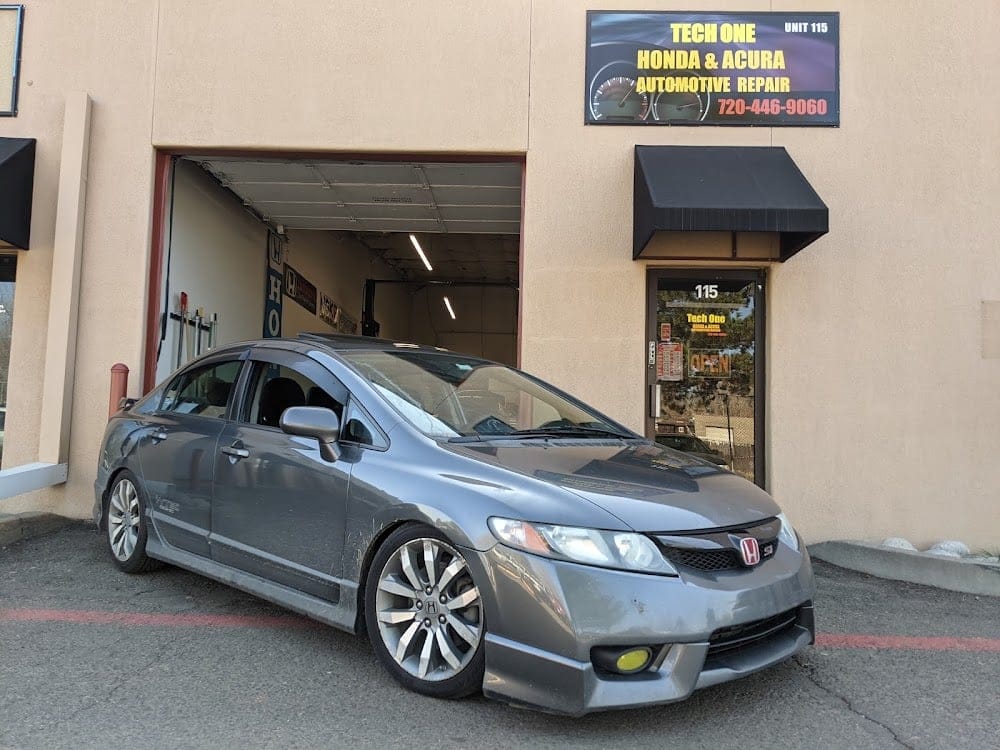
Tech One Honda is a phrase that can be associated with Honda’s broad approach to automotive technology, innovation, and advanced vehicle engineering. Honda has built a global reputation for combining reliability with practical innovation, and its vehicles often include a wide range of technologies designed to improve safety, fuel efficiency, connectivity, and overall driving comfort. Whether referring to a dealership-related brand phrase or to Honda’s technology-focused vehicle lineup, the concept of Tech One Honda reflects the company’s long-standing commitment to smart automotive advancement.
In today’s competitive automotive industry, technology plays a central role in how manufacturers design and market their vehicles. Modern drivers expect more than basic transportation. They want advanced driver assistance systems, intuitive infotainment interfaces, smartphone integration, fuel-saving powertrains, and enhanced comfort features. Honda has responded to these expectations by integrating advanced systems into many of its cars, SUVs, and hybrid models. As a result, Honda continues to be recognized as a major player in practical automotive technology.
Honda’s Approach to Automotive Technology
Honda’s technology strategy has typically focused on making innovation accessible to everyday drivers. Instead of introducing technology only in luxury models, Honda has often worked to bring useful features into mainstream vehicles. This approach has helped the brand appeal to a broad audience, including commuters, families, students, and long-term vehicle owners who value convenience and dependability.
The company’s innovation philosophy includes a balance between performance and usability. Honda technology is often designed not just to look advanced on paper, but to make real improvements in day-to-day driving. Features related to safety, fuel economy, and infotainment are usually intended to serve practical needs rather than simply adding complexity. This helps explain why Honda’s technological reputation is often tied to real-world value and user-friendly design.
Advanced Safety Technology in Honda Vehicles
One of the most important areas associated with Tech One Honda is safety technology. In modern vehicles, safety systems are among the most valued innovations, and Honda has invested heavily in this area. Many Honda models now include a suite of driver assistance features designed to help reduce accidents and improve awareness on the road.
These technologies often include features such as collision mitigation braking, lane keeping assistance, adaptive cruise control, road departure mitigation, and traffic sign recognition. Together, these systems are intended to support the driver during everyday travel, especially in highway conditions and heavy traffic. They do not replace attentive driving, but they can provide an extra layer of protection and confidence.
Honda’s safety engineering also extends beyond electronic assistance. Vehicle structure design, airbag systems, braking performance, and visibility all contribute to how the brand approaches road safety. This broader perspective is part of what makes Honda’s technology strategy feel comprehensive rather than limited to isolated features.
Honda Sensing and Driver Assistance Features
When discussing Honda vehicle technology, Honda Sensing is one of the most recognized systems. This package of driver assistance technologies has become a defining feature in many newer Honda models. It reflects Honda’s effort to make advanced safety features more widely available rather than restricting them to only premium vehicles.
Honda Sensing often includes adaptive cruise control, which helps maintain a set following distance from the vehicle ahead. It may also include lane keeping assist, which can gently help the driver stay centered in a lane under certain conditions. Collision mitigation braking is another major feature that may help reduce the severity of a potential front-end collision. Road departure mitigation is designed to help when the system detects that the vehicle may be leaving the roadway unintentionally.
These systems are especially valuable for drivers who spend significant time on highways or in traffic. They can reduce fatigue, improve awareness, and support more consistent driving behavior. The inclusion of these technologies in a broad range of Honda models helps reinforce the idea that Tech One Honda is closely tied to practical innovation.
Infotainment and Connectivity Features
Modern automotive technology is not limited to safety. Infotainment and connectivity are now major factors in how drivers evaluate vehicles, and Honda has continued to improve its systems in this area. Many Honda models include touchscreens, smartphone integration, Bluetooth connectivity, voice controls, and digital display clusters that make it easier for drivers to access information and entertainment while on the road.
Apple CarPlay and Android Auto compatibility have become especially important because they allow users to connect their phones directly to the vehicle interface. This enables access to navigation, music, messages, and calls in a more familiar and convenient format. For many drivers, this kind of integration is one of the most useful features in a modern vehicle.
Honda has also worked on improving user interface design so that controls feel more intuitive. While infotainment systems can vary by model and trim level, the broader goal is to make technology feel approachable. In practical terms, that means reducing friction between the driver and the systems they use most often.
Digital Displays and Driver Information Systems
Another important part of Tech One Honda is the use of digital displays and driver information systems. Traditional analog gauges are increasingly being supplemented or replaced by digital instrument clusters that provide customizable information in a cleaner visual format. These displays can show speed, fuel efficiency, trip information, safety alerts, and navigation prompts.
Digital driver information systems help keep relevant data in the driver’s field of view. This can improve convenience and reduce the need to look away from the road. Some Honda vehicles also include head-up displays in certain configurations, allowing key information to be projected closer to the driver’s natural line of sight.
These features reflect a broader trend in the automotive industry toward more connected, information-rich driving experiences. Honda’s implementation tends to focus on clarity and everyday usefulness, which fits well with the brand’s reputation for practical engineering.
Hybrid and Fuel-Efficient Technology
Fuel efficiency has long been one of Honda’s strengths, and it remains a key part of the company’s technology identity. For many people, Tech One Honda includes the systems Honda has developed to improve fuel economy through advanced engine design, hybrid technology, and powertrain efficiency.
Honda’s hybrid vehicles combine gasoline engines with electric motors to improve efficiency while maintaining a smooth driving experience. These systems are especially attractive to drivers who want lower fuel costs and reduced emissions without moving fully to an all-electric vehicle. Hybrid technology has become an increasingly important part of Honda’s future-oriented lineup.
Beyond hybrids, Honda has also invested in continuously variable transmissions, engine optimization, aerodynamic design, and lightweight materials that support stronger fuel economy. These improvements may not always be as visible as a touchscreen or a safety alert, but they are central to the company’s technological evolution.
Engineering for Performance and Reliability
Honda’s reputation has never been based only on gadgets or software. A major part of its technology story lies in engineering fundamentals such as engine design, transmission performance, chassis tuning, and reliability. Many drivers value Honda because its technology tends to be integrated into a broader philosophy of mechanical dependability and efficient performance.
For example, Honda engines have historically been recognized for combining strong efficiency with responsive driving characteristics. Suspension and steering systems are often tuned to provide a comfortable but controlled driving feel. These engineering choices matter because they affect how technology is experienced in practice. A vehicle with advanced features still needs to feel stable, predictable, and durable.
This connection between advanced systems and reliable mechanical design is one reason Honda has maintained a strong identity in the automotive market. Tech One Honda can therefore be understood not just as digital innovation, but as a broader commitment to engineering quality.
Honda’s Role in Automotive Innovation
Honda has contributed to automotive innovation in several areas beyond conventional passenger vehicles. The company has been involved in research and development related to electrification, robotics, mobility systems, fuel cell technology, and advanced transportation concepts. These efforts reflect a view of technology that extends well beyond individual car models.
In the context of consumer vehicles, these research investments eventually influence features and systems that appear in production models. Advances in battery technology, energy management, driver assistance, and connectivity are all tied to larger industry shifts, and Honda continues to participate in those developments. This helps position the brand as more than a manufacturer of practical cars. It also presents Honda as a company thinking about the long-term future of transportation.
Comfort and Convenience Technologies
Tech One Honda also includes comfort-oriented features that improve the ownership experience. Modern drivers often expect more than engine performance and safety systems. They also value technologies that make daily travel easier and more pleasant.
These features can include remote start, keyless entry, push-button ignition, dual-zone climate control, heated seats, wireless phone charging, power liftgates, and multiple USB charging ports. While these may not seem as technically dramatic as autonomous driving systems or electric powertrains, they are often the features that drivers interact with every day.
Honda’s ability to combine comfort features with affordability is part of what makes its vehicles competitive. The technology becomes meaningful when it fits naturally into real routines such as commuting, school drop-offs, long-distance travel, and weekend errands.
Technology Across Different Honda Models
Honda’s technology is not limited to one type of vehicle. It appears across sedans, compact cars, SUVs, minivans, and hybrid models. This means drivers can often find useful tech features whether they are shopping for a fuel-efficient commuter car, a family vehicle, or something with more cargo flexibility.
For example, compact models may emphasize efficiency, smartphone integration, and safety features for urban driving. SUVs may add larger infotainment screens, more driver assistance capabilities, and family-oriented convenience systems. Hybrid models may focus more strongly on energy efficiency and advanced powertrain management. This range of applications shows how Honda adapts its technology to different customer needs.
As a result, the meaning of Tech One Honda can shift slightly depending on the specific model being discussed, but the underlying theme remains consistent. The brand aims to deliver technology that supports practical, reliable, and comfortable everyday mobility.
The Importance of User-Friendly Technology
One challenge in modern vehicles is that technology can sometimes become overly complicated. Too many menus, confusing controls, or distracting interfaces can reduce the value of otherwise impressive features. Honda has generally tried to avoid this by focusing on interfaces and systems that are relatively easy to understand.
User-friendly design matters because automotive technology must be safe as well as convenient. Drivers should be able to access essential functions without unnecessary distraction. Honda’s technology approach often emphasizes clear controls, intuitive layouts, and feature sets that support rather than overwhelm the user.
This practical design philosophy is an important reason why many drivers appreciate Honda vehicles. Technology that works smoothly in ordinary life often matters more than features that look advanced but are difficult to use consistently.
How Tech Helps Honda Stay Competitive
The automotive market has become increasingly competitive as more manufacturers introduce vehicles with advanced safety, digital interfaces, electrified powertrains, and connected services. For Honda, maintaining strong technology offerings is essential to staying relevant in this environment.
Drivers now compare vehicles based not only on price, appearance, and fuel economy, but also on their infotainment systems, safety packages, and long-term software-related convenience. Honda’s continued investment in these areas helps the brand remain attractive to modern consumers who expect current technology without sacrificing reliability.
By blending accessibility, function, and engineering quality, Honda has positioned itself as a strong option for buyers who want innovation that feels grounded and practical. This balance is central to the idea behind Tech One Honda.
The Future of Honda Vehicle Technology
Looking ahead, Honda is likely to continue expanding its investment in electrification, connected vehicle systems, software-enabled services, and advanced driver assistance technologies. The broader automotive industry is moving toward cleaner energy, smarter vehicles, and deeper integration between transportation and digital systems. Honda is expected to remain part of that transition.
Future developments may include more hybrid and electric models, more advanced in-car software ecosystems, stronger over-the-air update capabilities, and expanded driver assistance features. As vehicles become more dependent on digital systems and energy management, Honda’s technology strategy will likely evolve further.
At the same time, the brand will likely remain focused on its traditional strengths. Customers often expect Honda vehicles to be practical, dependable, and efficient. Future technology will be most successful if it continues to support those values rather than replacing them.
Why Tech One Honda Matters to Drivers
For drivers, Tech One Honda matters because it represents the practical side of automotive innovation. Instead of technology for its own sake, Honda often emphasizes systems that improve safety, simplify daily routines, enhance connectivity, and support long-term value. This makes the technology more relevant to ordinary ownership rather than just showroom appeal.
Drivers want vehicles that help them navigate traffic safely, stay connected to their phones, manage fuel costs, and enjoy a comfortable ride. Honda’s technology offerings are often strongest when they directly support these needs. That is why the phrase can resonate with buyers looking for a balanced combination of modern features and dependable performance.
Conclusion
Tech One Honda reflects Honda’s broader commitment to making automotive technology practical, accessible, and useful in everyday life. From advanced safety systems and driver assistance features to infotainment, connectivity, hybrid engineering, and comfort-focused convenience, Honda has built a strong identity around thoughtful vehicle innovation. The company’s approach is not only about adding more features, but about integrating technology in ways that genuinely improve the driving experience.
As the automotive industry continues to evolve, Honda is likely to remain focused on blending modern technology with reliability, efficiency, and user-friendly design. Whether the phrase refers to a specific branding concept or a broader view of Honda innovation, it captures the brand’s ongoing role in delivering smart automotive solutions for today’s drivers and tomorrow’s transportation needs.

As a digital marketer, she has received multiple international awards, including Campaign of the Year at the 2023 European Content Awards and Best Use of Content Marketing at the 2022 Global Search Awards. Nicai holds an MSc in Marketing (First Class Honours) from the UCD Smurfit Graduate Business School and she has also completed the Artificial Intelligence Programme at Oxford University’s Saïd Business School. She is also a contributing writer for publications such as Entrepreneur and Esquire.