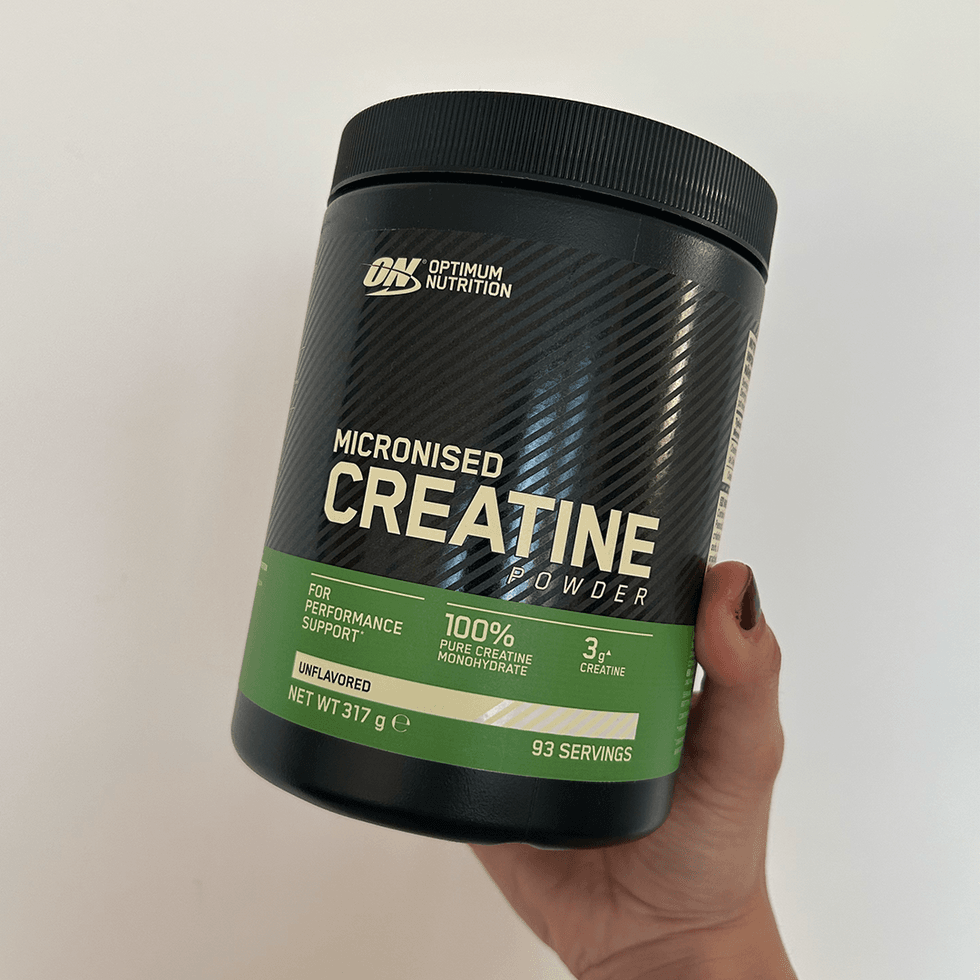
Creatine is one of the most widely used and researched supplements in the fitness and sports nutrition industry. Athletes, bodybuilders, and individuals who regularly exercise often use creatine to improve strength, increase muscle mass, and enhance workout performance. Because there are several types of creatine supplements available, many people ask the same question: what creatine is best for achieving optimal results?
Understanding how creatine works and the differences between available forms can help you choose the most effective supplement for your fitness goals. Although supplement companies promote various types of creatine, scientific research consistently supports one form as the most reliable and effective.
What Is Creatine?
Creatine is a naturally occurring compound found in muscle cells. It helps the body produce energy during high-intensity exercise such as weightlifting, sprinting, and other short bursts of activity. The body produces creatine from amino acids, and it is also found in foods such as red meat and fish.
Once stored in muscles, creatine is converted into phosphocreatine. This compound helps regenerate adenosine triphosphate (ATP), the primary source of energy for muscle contractions. Increasing creatine levels in muscles through supplementation can improve physical performance and support muscle development.
Benefits of Creatine Supplements
Creatine supplements are popular because they offer several well-documented benefits for athletic performance and muscle growth. Many studies have shown that creatine can improve strength, increase power output, and support lean muscle mass gains when combined with resistance training.
Another advantage of creatine supplementation is improved workout performance. By providing muscles with more energy during intense exercise, creatine allows individuals to train harder and potentially achieve better results over time.
What Creatine Is Best?
Among all available options, creatine monohydrate is widely considered the best form of creatine. It is the most researched type of creatine supplement and has consistently demonstrated strong results in improving strength, muscle growth, and exercise performance.
Creatine monohydrate is also affordable, widely available, and generally well tolerated by most users. Because of its effectiveness and safety record, many sports nutrition experts recommend creatine monohydrate as the first choice for individuals considering creatine supplementation.
Different Types of Creatine Supplements
Although creatine monohydrate is the most popular option, several other forms of creatine are marketed as alternatives. Each type claims to offer unique advantages, although scientific evidence supporting these claims is often limited.
Creatine Monohydrate
This is the most widely studied and commonly used form of creatine. It has strong scientific evidence supporting its ability to increase muscle creatine levels and improve athletic performance.
Creatine Hydrochloride (HCL)
Creatine hydrochloride is designed to improve solubility and reduce digestive discomfort. While some users report easier digestion, research comparing it directly with creatine monohydrate is still limited.
Creatine Ethyl Ester
Creatine ethyl ester was developed to improve absorption. However, some studies suggest it may be less effective than creatine monohydrate in increasing muscle creatine stores.
Buffered Creatine
Buffered creatine claims to reduce breakdown in the stomach and improve stability. Despite these claims, current research does not show significant advantages compared to traditional creatine monohydrate.
How to Take Creatine
Most people take creatine in daily doses of about three to five grams. Some individuals begin with a short loading phase that involves taking higher doses for several days to increase muscle creatine levels more quickly. However, this step is not necessary for most users.
Creatine can be taken at any time of the day, although many athletes prefer taking it before or after workouts. Consistency is more important than timing, and taking creatine daily helps maintain elevated muscle creatine levels.
Is Creatine Safe?
Creatine is considered one of the safest sports supplements when used in recommended doses. Extensive research has examined its safety, and studies have shown that healthy individuals can use creatine without significant health risks.
However, individuals with existing kidney conditions or certain medical concerns should consult a healthcare professional before using creatine supplements.
Tips for Choosing the Best Creatine Supplement
When selecting a creatine supplement, it is important to look for products that contain pure creatine monohydrate without unnecessary additives. Micronized creatine powders are often preferred because they dissolve more easily in water.
Choosing supplements from reputable brands that conduct third-party testing can also help ensure quality and purity. Avoid products that include excessive fillers or proprietary blends that do not clearly list ingredient amounts.
Conclusion
When considering what creatine is best, creatine monohydrate remains the most effective and scientifically supported option. Its ability to improve strength, support muscle growth, and enhance exercise performance has been confirmed by numerous studies. By choosing high-quality creatine monohydrate and using it consistently, individuals can safely support their fitness goals and maximize their training results.
hi

As a digital marketer, she has received multiple international awards, including Campaign of the Year at the 2023 European Content Awards and Best Use of Content Marketing at the 2022 Global Search Awards. Nicai holds an MSc in Marketing (First Class Honours) from the UCD Smurfit Graduate Business School and she has also completed the Artificial Intelligence Programme at Oxford University’s Saïd Business School. She is also a contributing writer for publications such as Entrepreneur and Esquire.