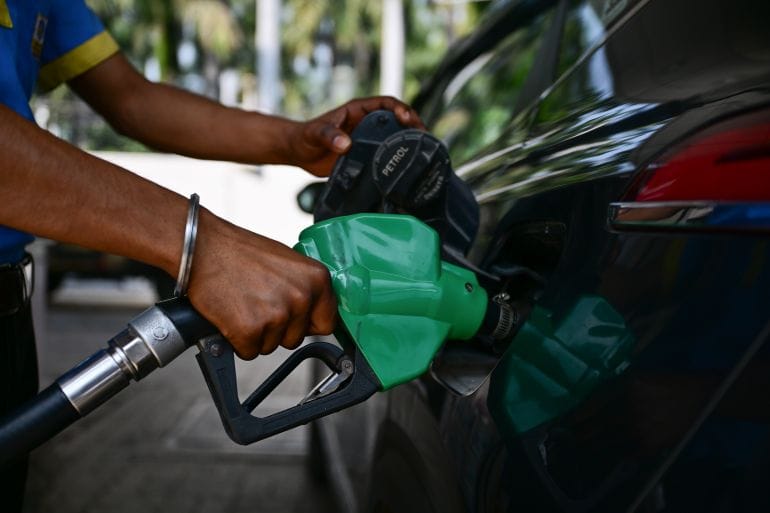
Gasoline pump news in 2026 reflects a fuel retail industry shaped by price volatility, supply chain pressure, changing consumer behavior, and new technology at the service station level. While gasoline pumps remain a familiar part of daily life for millions of drivers, the business surrounding them is changing as energy markets react to inflation, refinery activity, crude oil fluctuations, and transportation demand.
For consumers, gasoline pump news is often tied directly to the price displayed at the station. For retailers, however, the story is much broader. It includes equipment upgrades, compliance rules, payment technology, fuel inventory management, and competition from convenience-focused and alternative-energy models.
Why Gasoline Pump News Matters
Gasoline pump news matters because fuel prices and retail fuel availability affect both household budgets and the wider economy. When pump prices rise, transportation costs increase, delivery expenses go up, and consumer sentiment often weakens. When prices fall, drivers may feel some relief, but retailers and suppliers still have to manage narrow margins and unpredictable market conditions.
This makes gasoline pumps more than just fueling equipment. They are the final point where global oil markets, domestic fuel supply, local taxes, and retail competition all come together in a price that consumers see instantly.
Fuel Prices Continue to Drive Attention
One of the biggest themes in gasoline pump news is price instability. Gasoline prices can change quickly based on crude oil markets, refinery outages, regional supply imbalances, weather disruptions, and geopolitical events. Even when the physical pump itself remains unchanged, the numbers on the display can shift public attention immediately.
Retail fuel stations must constantly adjust to these movements while trying to stay competitive. In many locations, price competition between stations is intense, especially in high-traffic areas where drivers can compare rates within a short distance.
Supply and Refining Conditions Influence Pump Activity
Gasoline pump news is also heavily influenced by fuel production and distribution. Refinery maintenance, transportation bottlenecks, and seasonal fuel blends can all affect what happens at the retail level. In some regions, a tight supply environment can lead to higher prices or slower inventory turnover, while in others, strong distribution networks help stabilize the market.
Because gasoline is a high-volume retail product, even small disruptions upstream can create noticeable effects at the pump. This is why station operators closely monitor wholesale fuel markets and delivery schedules.
Technology Is Changing the Modern Gasoline Pump
Another major development in gasoline pump news is the modernization of fuel dispensing technology. Today’s pumps are no longer simple mechanical devices. Many now include digital displays, touchscreens, contactless payment systems, loyalty integration, receipt options, and real-time connectivity with station management software.
These upgrades improve convenience for drivers and help station owners manage transactions, pricing, and maintenance more efficiently. In a competitive fuel market, a modern pump experience can influence customer choice, especially when paired with a clean forecourt and fast payment options.
Payment Security and Compliance Are Growing Priorities
As pumps become more connected, security has become a larger part of gasoline pump news. Card skimming, payment fraud, and system vulnerabilities have pushed many fuel retailers to upgrade their payment hardware and software. Compliance with chip-card standards and secure payment systems is no longer optional for many operators.
These changes can be expensive, especially for smaller station owners, but they are necessary to protect consumers and reduce risk. Secure pumps also help retailers maintain trust in an environment where drivers expect fast and safe transactions.
Maintenance and Equipment Costs Are Rising
Operating a gasoline pump involves more than fuel delivery. Maintenance, calibration, software updates, environmental compliance, and equipment replacement all add to operating costs. Recent gasoline pump news increasingly reflects the pressure that station owners face as parts, labor, and compliance expenses continue to rise.
For independent operators, this can be especially challenging. Large chains may have stronger purchasing power and more standardized systems, while smaller operators often must manage equipment issues with tighter budgets.
Environmental Rules Are Affecting Fuel Retail Operations
Environmental regulation continues to shape gasoline pump news. Underground storage monitoring, vapor recovery systems, spill prevention requirements, and emissions-related rules all influence how stations are built and maintained. These regulations are designed to reduce environmental risk, but they also increase the cost and complexity of fuel retail operations.
As sustainability becomes a larger issue in energy policy, fuel retailers are under pressure to modernize infrastructure while still serving conventional gasoline demand. This balancing act is becoming more important in long-term planning.
Gas Stations Are Becoming Broader Retail Hubs
Another notable trend in gasoline pump news is the shift in how stations make money. In many cases, gasoline sales alone generate thin margins, so operators increasingly rely on convenience store purchases, food service, beverages, and other retail items to improve profitability.
This means the gasoline pump is often part of a larger business strategy. The pump brings the customer in, but the store often generates a larger share of profit. As a result, many station upgrades are designed not only to improve fueling efficiency but also to support broader customer traffic and spending.
Electric Vehicle Growth Is Changing the Long-Term Conversation
No discussion of gasoline pump news is complete without mentioning electric vehicles. Although gasoline demand remains substantial, the long-term expansion of EV infrastructure is changing how station owners think about the future. Some fuel retailers are adding EV charging alongside gasoline pumps, while others are studying whether mixed-energy forecourts will become standard over time.
This does not mean gasoline pumps are disappearing in the near term. Instead, it means the role of the fuel station is evolving. Operators are beginning to think in terms of energy retail rather than gasoline alone.
What to Watch Next
Looking ahead, gasoline pump news will likely continue to focus on fuel price direction, wholesale supply conditions, payment technology, compliance costs, and the pace of retail modernization. Drivers will keep watching the price sign, but station owners will be watching a much wider set of business pressures behind the scenes.
The most successful fuel retailers are likely to be those that combine reliable fuel operations with strong convenience retail, secure payment systems, efficient maintenance, and flexibility for future energy shifts.
Conclusion
Gasoline pump news in 2026 reflects an industry that is still essential but increasingly complex. What happens at the pump is influenced by global energy markets, local competition, technology upgrades, environmental rules, and changing transportation habits. For consumers, the most visible issue is price. For operators, the real story includes infrastructure, efficiency, compliance, and adaptation.
As the fuel retail landscape continues to change, gasoline pumps will remain a key part of daily transportation while also becoming part of a broader transformation in how energy is sold, managed, and delivered to the public.

As a digital marketer, she has received multiple international awards, including Campaign of the Year at the 2023 European Content Awards and Best Use of Content Marketing at the 2022 Global Search Awards. Nicai holds an MSc in Marketing (First Class Honours) from the UCD Smurfit Graduate Business School and she has also completed the Artificial Intelligence Programme at Oxford University’s Saïd Business School. She is also a contributing writer for publications such as Entrepreneur and Esquire.