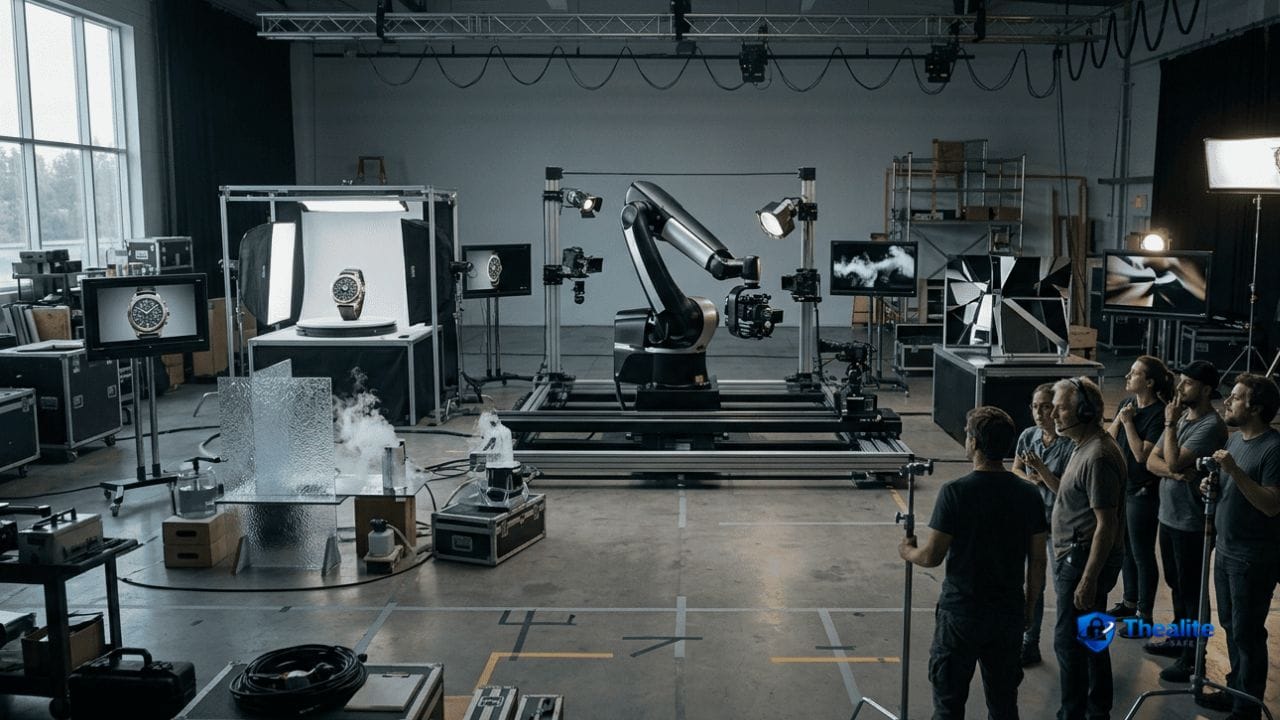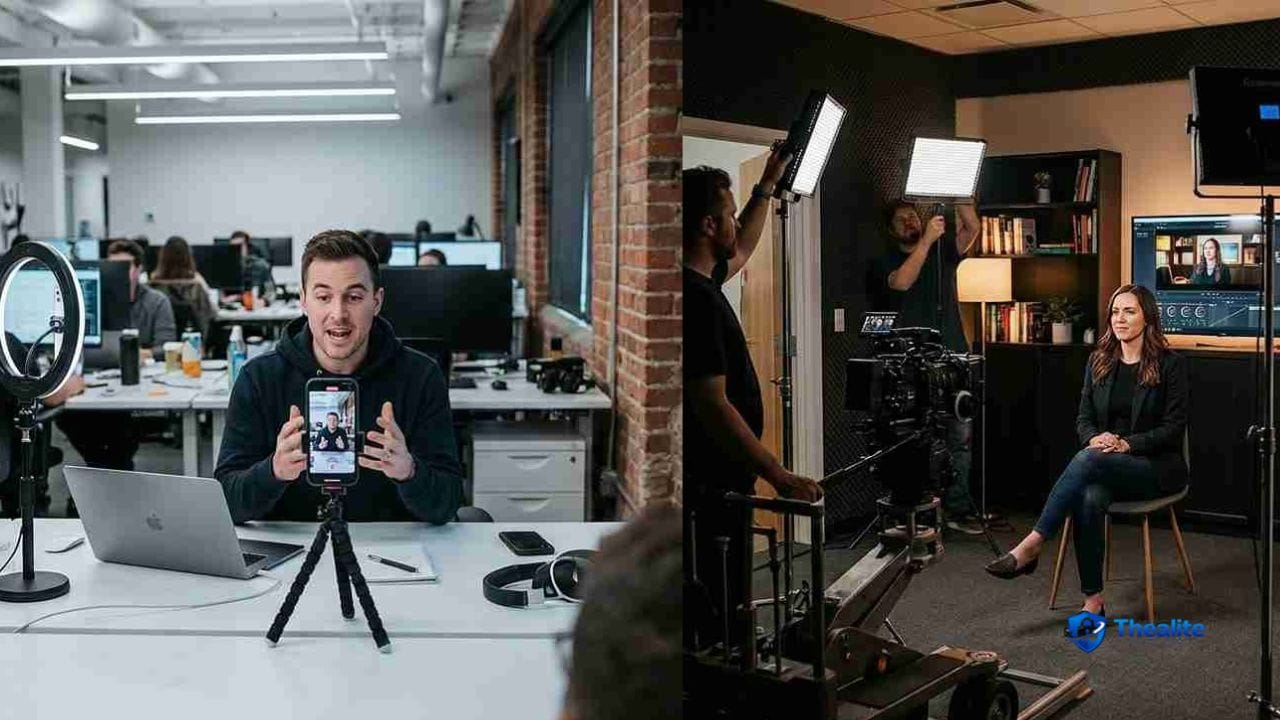
Speed has quietly become the most valuable currency in content creation. It’s no longer just about producing high-quality videos it’s about producing them fast, adapting them faster, and shipping them continuously. Whether it’s ad creatives, product updates, or social media clips, the ability to create Quick videos at scale often determines which brands stay visible and which ones fade into the background.
This shift has pushed AI avatar tools into the spotlight. Platforms like Higgsfield and Vidnoz are making it possible to generate presenter-led videos in minutes instead of days. But while both tools promise speed, the real question is: which one actually delivers efficiency without sacrificing flexibility or quality?
To answer that, we need to look beyond surface-level features and evaluate how these platforms perform in real-world workflows. Because quick video creation isn’t just about rendering speed it’s about how smoothly you can move from idea to execution, and how easily you can repeat that process at scale.
Why Quick Video Creation Is Now a Strategic Advantage
The demand for rapid video production is driven by the way content is consumed today. Social platforms reward consistency, ad platforms reward variation, and audiences reward relevance. This means brands need to produce more videos, more frequently, and with more variations than ever before.
Traditional workflows simply can’t keep up. Filming, editing, and revising content takes time, and by the time a video is ready, the opportunity may already be gone. AI avatars solve this by turning scripts into videos almost instantly, removing the need for physical production.
This is where tools like ai avatar generator become essential. They allow teams to move from concept to execution in a fraction of the time, making it possible to keep up with the pace of modern content demands while maintaining consistency and quality.
Platform Overview: Higgsfield vs Vidnoz
Higgsfield is built with a strong focus on speed, scalability, and creative flexibility. It’s designed for teams that need to generate multiple video variations quickly, especially in marketing and advertising contexts. The platform emphasizes rapid iteration and seamless integration into content workflows.
Vidnoz, on the other hand, positions itself as an accessible and beginner-friendly tool. It offers a wide range of templates and pre-built avatars, making it easy for users to create videos without much prior experience. Its strength lies in simplicity and quick setup.
While both platforms allow users to create AI-generated videos, the difference lies in how they handle iteration, customization, and scalability. With ai avatar generator, the emphasis is not just on creating one video quickly, but on enabling a continuous flow of content creation.
Ease of Use and Workflow Efficiency
When it comes to usability, both platforms aim to reduce complexity, but they take different approaches. Higgsfield focuses on streamlining the entire workflow, allowing users to quickly generate, edit, and iterate videos without unnecessary steps.
With ai avatar generator, the process feels fluid. You can input a script, generate a video, tweak the delivery, and create multiple variations all within the same environment. This makes it particularly effective for teams that need to produce content at scale.
Vidnoz simplifies the process through templates. While this makes it easy for beginners, it can feel limiting for users who want more control. The workflow is straightforward, but it may not support deeper customization or rapid iteration as effectively as Higgsfield.
Speed of Video Generation
Speed is where both platforms compete directly. Vidnoz offers quick video generation through its template-based system, allowing users to create videos in minutes. This is ideal for simple use cases where customization is not a priority.
Higgsfield, however, approaches speed differently. It’s not just about generating one video quickly it’s about generating many videos efficiently. With ai avatar generator, you can create multiple versions of a video without starting from scratch each time. Platform is designed to handle high-volume content production, making it more suitable for workflows that require continuous output rather than one-off videos.
Customization and Creative Flexibility
Quick videos are only valuable if they’re effective. And effectiveness often depends on how well the content aligns with the target audience. This is where customization becomes critical.
Higgsfield offers a high level of creative control, allowing users to adjust tone, pacing, and presentation style. With ai avatar generator, you can experiment with different approaches and refine your content based on performance.
Vidnoz, while flexible within its templates, may not offer the same level of customization. It works well for standard formats but can feel restrictive when you need to create unique or highly targeted content.
For teams focused on performance, flexibility often matters more than simplicity.
Scalability for Content Production
Scalability is one of the biggest advantages of AI video tools. The ability to produce large volumes of content without increasing costs is what makes these platforms so powerful.
Higgsfield is built for scalability. With ai avatar generator, teams can generate multiple videos simultaneously, test different variations, and adapt content in real time. This makes it ideal for marketing campaigns that require constant updates.
Vidnoz supports scaling to some extent, but its template-based approach may limit how quickly you can produce variations. It’s better suited for smaller-scale content production rather than high-volume workflows.
Integration with Marketing Workflows
Modern video creation is deeply connected to marketing strategies. Videos are not just standalone assets they are part of campaigns, funnels, and performance systems.
Higgsfield integrates naturally into these workflows. Using ai avatar generator, teams can align video content with ad strategies, ensuring consistency across campaigns. This makes it easier to connect video production with measurable results.
To understand the importance of video in marketing, importance of visual content in marketing highlights how visuals drive engagement and conversion rates. This reinforces why speed alone isn’t enough videos need to be both fast and effective.
Vidnoz, while capable, focuses more on standalone video creation. It may require additional tools to fully integrate into marketing systems.
Cost Efficiency and ROI
Cost efficiency is a major factor when choosing a video tool. Both platforms reduce the need for traditional production, but their impact on ROI differs.
Higgsfield provides strong ROI by enabling high-volume content production. With ai avatar generator, teams can reduce production time while increasing output, making it easier to scale campaigns without increasing costs.
Vidnoz offers cost savings as well, particularly for simple video creation. However, its limitations in customization and scalability may affect long-term efficiency.
For businesses focused on growth, ROI is closely tied to scalability and performance.
When to Choose Higgsfield vs Vidnoz
Choosing between these platforms depends on your specific needs and workflows.
Choose Higgsfield if you:
- Need to produce high volumes of content
- Focus on marketing and ad campaigns
- Require flexibility and rapid iteration
- Want deeper creative control
Choose Vidnoz if you:
- Prefer a simple, template-based approach
- Create smaller volumes of content
- Need quick, straightforward video generation
- Don’t require extensive customization
Both tools are valuable, but they serve different types of users.
Final Verdict: Which Platform Is Better for Quick Videos?
If your goal is to create simple videos quickly, Vidnoz is a solid choice. It’s easy to use, accessible, and efficient for basic content creation.
However, if your goal is to build a scalable system for continuous video production, Higgsfield stands out. With ai avatar generator, you’re not just creating videos you’re creating a workflow that supports ongoing content generation and optimization.
Conclusion
The future of video content is fast, dynamic, and data-driven. Tools that enable quick video creation are no longer optional they’re essential for staying competitive.
Higgsfield and Vidnoz both contribute to this shift, but they approach it differently. Vidnoz focuses on simplicity and accessibility, while Higgsfield emphasizes scalability and flexibility.
For teams that need to move quickly while maintaining quality and adaptability, Higgsfield offers a more comprehensive solution. With ai avatar generator, businesses can transform ideas into videos at scale, creating a system that keeps pace with the demands of modern content creation.