Private debt has emerged as one of the fastest-growing segments in global finance, and recent private debt news reflects increasing investor interest, evolving risks, and shifting market dynamics. As traditional banks tighten lending standards, private credit providers have stepped in to fill the gap, offering flexible financing solutions to businesses across various sectors.
This growth has transformed private debt into a key component of modern investment portfolios. Institutional investors, including pension funds, insurance companies, and asset managers, are allocating significant capital to private credit strategies in search of higher yields and diversification.
What Is Private Debt?
Private debt, also known as private credit, refers to loans provided by non-bank institutions to companies or projects. These loans are not traded on public markets and are typically negotiated directly between lenders and borrowers.
Private debt can take several forms, including direct lending, mezzanine financing, distressed debt, and special situations. Each type serves different purposes, ranging from supporting business expansion to restructuring financially troubled companies.
Latest Private Debt News Trends
Recent private debt news highlights rapid market expansion, with global private credit assets reaching record levels. Investors are increasingly drawn to the asset class due to its potential for stable income and lower correlation with traditional markets.
One of the most notable trends is the rise of direct lending. Private credit funds are providing loans directly to mid-sized companies, bypassing traditional banks. This has created new opportunities for borrowers while offering investors attractive returns.
At the same time, there is growing attention on risk management. As interest rates fluctuate and economic conditions remain uncertain, concerns about borrower defaults and credit quality are becoming more prominent.
Why Private Debt Is Gaining Popularity
The appeal of private debt lies in its ability to generate consistent income through interest payments. Compared to publicly traded bonds, private debt often offers higher yields, reflecting the additional risk and illiquidity associated with the asset class.
Another advantage is customization. Private lenders can structure deals to meet the specific needs of borrowers, including flexible repayment terms and tailored covenants. This flexibility makes private debt an attractive option for companies that may not qualify for traditional bank financing.
Risks and Challenges
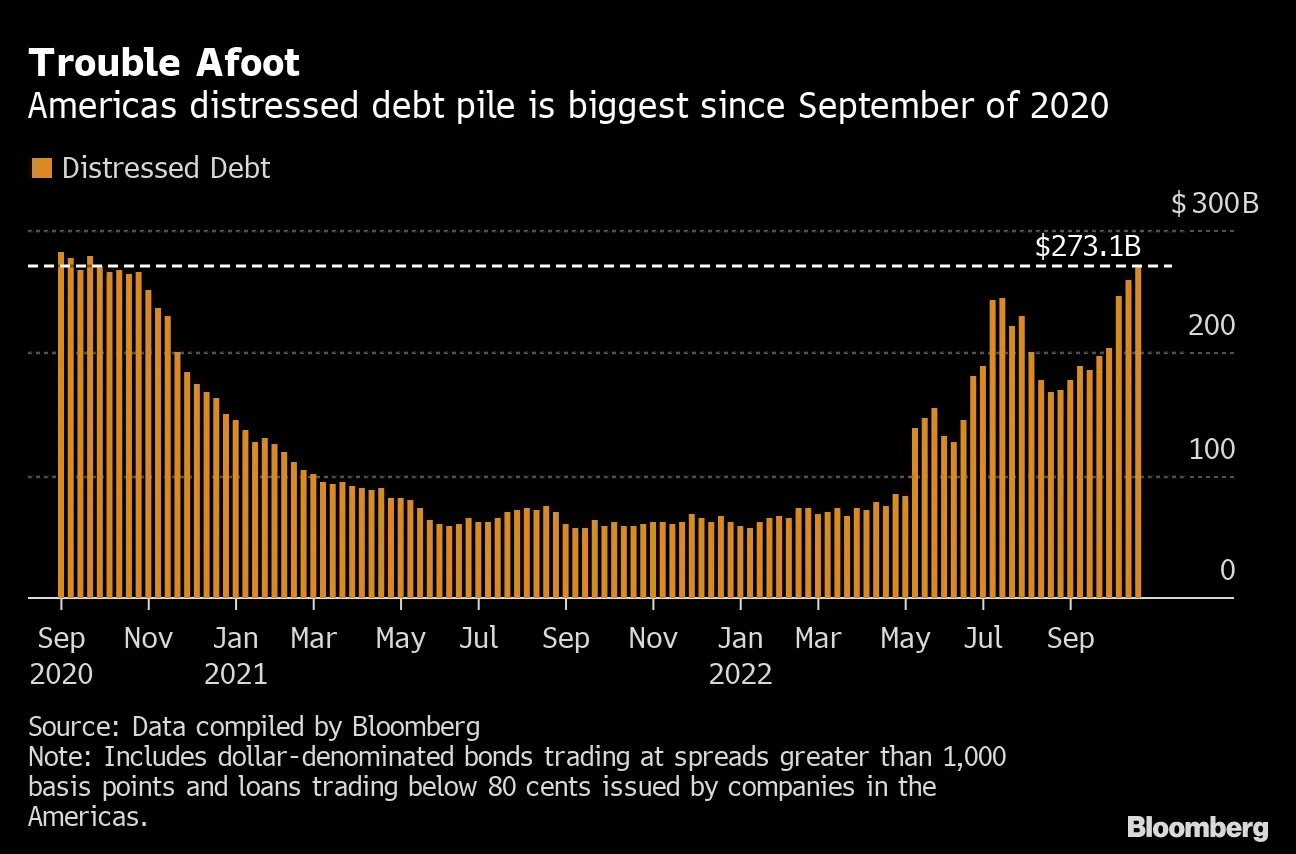
Despite its growth, private debt is not without risks. One of the primary concerns highlighted in private debt news is the potential for rising default rates. As economic conditions tighten, some borrowers may struggle to meet their repayment obligations.
Illiquidity is another key challenge. Unlike publicly traded securities, private debt investments cannot be easily bought or sold. Investors must be prepared to hold these assets for extended periods, which can limit flexibility.
Transparency is also an issue. Because private debt transactions are not publicly disclosed in the same way as traditional securities, investors may have limited visibility into underlying risks. This makes thorough due diligence essential.
Impact of Interest Rates and Economic Conditions
Interest rates play a significant role in shaping private debt markets. Rising rates can increase borrowing costs for companies, potentially affecting their ability to repay loans. However, many private debt instruments have floating rates, which can benefit investors by increasing returns as rates rise.
Economic conditions also influence demand for private credit. During periods of economic growth, companies seek financing for expansion, driving demand for private loans. Conversely, during downturns, private debt funds may focus more on distressed opportunities and restructuring deals.
Role of Institutional Investors
Institutional investors are major contributors to the growth of private debt. Pension funds, endowments, and insurance companies are allocating more capital to private credit as part of their long-term investment strategies.
These investors are attracted by the potential for higher returns and the ability to diversify their portfolios. Private debt can provide a steady income stream, which is particularly valuable for institutions with long-term liabilities.
Regulatory Environment
The regulatory landscape for private debt is evolving as the market expands. Regulators are increasingly focused on ensuring transparency, protecting investors, and monitoring systemic risks associated with non-bank lending.
While private debt operates with more flexibility than traditional banking, increased oversight may shape how the industry develops in the coming years. Compliance with regulatory standards will be essential for maintaining investor confidence.
Future Outlook for Private Debt
The future of private debt appears strong, with continued growth expected across global markets. As businesses seek alternative financing options and investors look for higher yields, private credit is likely to remain a key asset class.
Innovation in deal structures, risk management, and data analytics will further enhance the market’s efficiency. At the same time, investors will need to remain vigilant about potential risks, particularly in a changing economic environment.
Private debt news will continue to play an important role in informing market participants about emerging trends, opportunities, and challenges within this rapidly evolving sector.
Conclusion
Private debt has become an essential component of modern finance, offering both opportunities and risks for investors and borrowers alike. Its rapid growth reflects changing dynamics in the global financial system, where non-bank lenders are playing an increasingly important role.
By staying informed about the latest private debt news, investors can better understand market developments and make more informed decisions. As the sector continues to evolve, balancing risk and return will remain critical for long-term success.

As a digital marketer, she has received multiple international awards, including Campaign of the Year at the 2023 European Content Awards and Best Use of Content Marketing at the 2022 Global Search Awards. Nicai holds an MSc in Marketing (First Class Honours) from the UCD Smurfit Graduate Business School and she has also completed the Artificial Intelligence Programme at Oxford University’s Saïd Business School. She is also a contributing writer for publications such as Entrepreneur and Esquire.