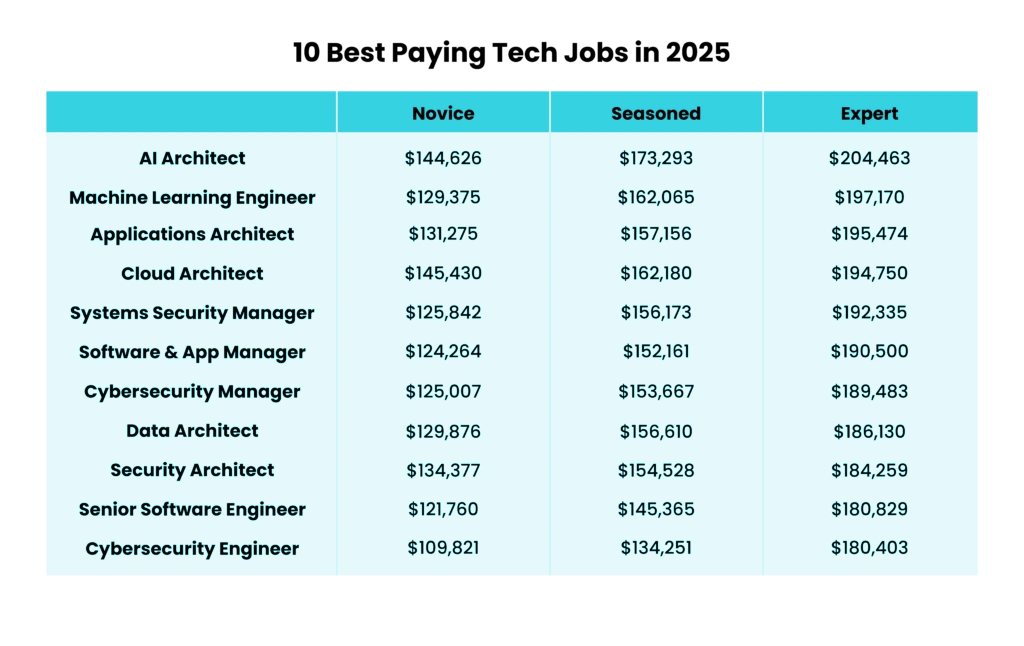
Tech salaries in 2023 were one of the most discussed topics in the employment market, especially as the technology sector moved from a period of rapid expansion into a more cautious and competitive phase. After years of strong hiring demand, generous compensation packages, and aggressive recruiting by major technology companies, 2023 brought a noticeable shift in how employers approached pay, hiring, and workforce planning. As a result, many professionals began paying closer attention to salary trends across software engineering, data science, cybersecurity, cloud computing, and related fields.
Although the technology industry continued to offer some of the highest-paying roles in the broader job market, compensation in 2023 became more complex than in previous years. Salaries remained strong in many specialized areas, but they were influenced by layoffs, inflation concerns, remote work adjustments, and changes in business priorities. Understanding tech salaries in 2023 requires looking not only at average pay levels but also at the broader economic and industry conditions that shaped them.
Overview of Tech Salaries in 2023
In 2023, technology salaries generally remained attractive compared with many other industries. Professionals in software development, cloud infrastructure, cybersecurity, machine learning, and product engineering often continued to earn well above national averages in many countries. However, salary growth was no longer as aggressive as it had been during earlier hiring booms.
Many employers shifted from expansion-focused hiring to more disciplined compensation strategies. This did not mean that tech pay collapsed. Instead, it meant that companies became more selective about where they invested their compensation budgets. Roles tied directly to revenue, security, infrastructure, and advanced technical capabilities often maintained high salary levels, while more general positions saw slower growth.
Why Tech Salaries Changed in 2023
Several major factors influenced technology compensation in 2023. The year followed a period when many companies had expanded rapidly, especially during strong demand for digital services and remote work solutions. When economic uncertainty increased, businesses began reassessing hiring needs and compensation structures.
Economic Uncertainty
Inflation, interest rate changes, and concerns about broader economic slowdown affected company budgets and hiring decisions. Businesses became more cautious about long-term payroll commitments, which influenced salary offers and reduced the pace of compensation growth in some areas.
Layoffs in Major Tech Companies
Several large technology firms announced layoffs or hiring freezes, which changed the psychology of the labor market. When more experienced professionals re-enter the job market, competition can increase for open roles. This often gives employers more leverage during salary negotiations.
Shift From Growth to Efficiency
In earlier years, many technology companies prioritized growth above all else. In 2023, the focus shifted toward operational efficiency, profitability, and disciplined spending. This change influenced not only hiring volume but also the kinds of roles companies were willing to pay premium salaries for.
Remote Work and Geographic Pay Adjustments
Remote work continued to shape compensation in 2023. Some employers adjusted salaries based on employee location, while others used national or international pay bands. This made salary outcomes more varied than in the past, especially for candidates outside traditional technology hubs.
Average Salary Ranges in Popular Tech Roles
Tech salaries in 2023 varied depending on experience, location, company size, and specialization. However, certain broad patterns were visible across the industry. Some roles consistently remained among the highest-paid positions in the employment market.
Software Engineer
Software engineers remained central to the technology workforce in 2023. Compensation often varied significantly depending on whether the role involved frontend development, backend systems, full-stack engineering, or distributed infrastructure. Experienced engineers generally continued to earn strong salaries, especially at established tech firms or fast-growing startups with specialized technical needs.
Data Scientist
Data scientists remained valuable because organizations increasingly relied on data for decision-making, forecasting, and product improvement. Salaries in this field stayed competitive, particularly for professionals with strong statistical, programming, and machine learning capabilities.
Cybersecurity Specialist
Cybersecurity professionals were among the most in-demand workers in 2023. As cyber threats continued to rise, companies were often willing to offer strong compensation to security engineers, analysts, and architects who could protect systems, networks, and data.
Cloud Engineer
Cloud engineers and cloud architects continued to benefit from strong salary trends. Organizations were still investing heavily in cloud migration, infrastructure modernization, and platform reliability. Professionals with experience in major cloud ecosystems often commanded premium pay.
Machine Learning Engineer
Interest in artificial intelligence and machine learning continued to grow in 2023, which supported high salary levels for engineers working in these areas. Candidates with advanced technical expertise in AI systems, model deployment, and large-scale data pipelines were especially attractive to employers.
Entry-Level Tech Salaries in 2023
Entry-level salaries in technology remained relatively strong compared with many other industries, but new graduates and junior candidates often faced a more challenging job market than they expected. Employers were more selective, and many junior roles attracted high numbers of applicants.
Some companies reduced campus hiring or narrowed the number of entry-level openings. This created more pressure on beginners, especially those without internships, practical projects, or specialized technical knowledge. While entry-level salaries were still competitive, they often did not rise as quickly as candidates had hoped during earlier periods of market expansion.
Senior-Level Tech Salaries in 2023
Senior professionals generally remained in a stronger position. Companies continued to value experienced engineers, architects, security leaders, and technical managers who could contribute quickly and lead complex projects. Senior-level salaries often remained high because organizations wanted proven expertise, especially in areas tied to critical infrastructure and business continuity.
However, even at the senior level, compensation became more strategic. Employers often focused on candidates who could demonstrate clear impact, strong technical judgment, and alignment with business priorities. Seniority alone was not always enough to secure top-tier pay without relevant and current expertise.
How Location Affected Tech Salaries in 2023
Geography continued to play an important role in tech compensation. Traditional technology hubs such as San Francisco, Seattle, New York, Boston, and Austin often offered higher base salaries due to cost of living and intense competition for talent. At the same time, remote work created new opportunities for professionals living outside these regions.
Some companies maintained location-based pay models, while others moved toward more standardized compensation structures. This meant two professionals doing similar work could receive different salaries depending on where they lived, the company’s pay philosophy, and whether the role was fully remote, hybrid, or office-based.
Industries Outside Big Tech Also Paid Well
One important trend in 2023 was that strong technology salaries were not limited to traditional technology companies. Financial services, healthcare, e-commerce, logistics, media, and manufacturing firms all continued hiring technical talent. As digital transformation expanded across industries, software developers and infrastructure experts found opportunities in a much wider range of organizations.
This diversification helped support compensation across the broader market. Even when major tech companies slowed hiring, many other employers still needed engineers, security professionals, and data specialists to modernize their systems and improve digital operations.
Skills That Supported Higher Salaries in 2023
Tech salaries in 2023 were strongly influenced by specialization. Professionals with skills tied to strategic growth areas were often better positioned to negotiate stronger compensation packages.
- Cloud architecture and cloud security
- Cybersecurity engineering and governance
- Machine learning and artificial intelligence
- Data engineering and analytics infrastructure
- DevOps and platform reliability
- Scalable backend systems
- Product-focused engineering
Employers placed a premium on technical professionals who could solve complex problems, improve performance, reduce risk, and support the company’s most important systems. Workers with practical experience in these areas often saw stronger salary outcomes than generalist candidates.
Benefits and Total Compensation
Looking at tech salaries in 2023 only through base pay can be misleading. Total compensation often included bonuses, stock options, equity grants, retirement benefits, healthcare coverage, learning budgets, and flexible work arrangements. In some companies, especially public technology firms, equity remained a major part of total earnings.
However, economic conditions and stock market fluctuations also influenced how employees valued their compensation packages. In 2023, some workers paid more attention to stable base salaries and cash compensation rather than relying heavily on future equity growth.
Was 2023 a Bad Year for Tech Salaries?
It would be inaccurate to describe 2023 as a bad year for tech salaries overall. Technology remained one of the more lucrative career fields, and many professionals still earned strong compensation. The more accurate description is that 2023 was a year of normalization and selectivity.
After an unusually aggressive hiring period, the market became more disciplined. Salary growth slowed in some roles, competition increased, and employers became more focused on critical skills. Yet specialized technical talent continued to command substantial pay, and long-term earning potential in tech remained attractive.
Lessons From Tech Salaries in 2023
The salary trends of 2023 highlighted several important realities about the modern technology workforce. First, technical skills remain highly valuable, but not all skills are rewarded equally. Second, market conditions can quickly change employer behavior, even in industries known for high pay. Third, professionals who continue learning and adapting are often better able to protect and increase their earning power.
For many workers, 2023 reinforced the importance of building expertise in high-demand areas rather than relying only on the general strength of the tech sector. Deep capability in cloud systems, security, machine learning, and large-scale engineering became even more valuable as employers narrowed their focus.
Conclusion
Tech salaries in 2023 remained strong overall, but they were shaped by a more cautious and selective market than in previous years. While some roles experienced slower salary growth and greater competition, many specialized positions continued to offer excellent compensation. The industry did not lose its reputation as a high-paying field, but it did become more disciplined in how pay was distributed.
For professionals and job seekers, the main takeaway from 2023 is that salary opportunity in technology still exists in abundance, but it increasingly depends on experience, specialization, adaptability, and business impact. Those who invest in relevant skills and stay aligned with market demand are likely to remain in a strong position as the technology sector continues to evolve.

As a digital marketer, she has received multiple international awards, including Campaign of the Year at the 2023 European Content Awards and Best Use of Content Marketing at the 2022 Global Search Awards. Nicai holds an MSc in Marketing (First Class Honours) from the UCD Smurfit Graduate Business School and she has also completed the Artificial Intelligence Programme at Oxford University’s Saïd Business School. She is also a contributing writer for publications such as Entrepreneur and Esquire.