People often ask this because butt plugs are designed to be “wearable,” and some are marketed for long sessions. But your body doesn’t come with a universal timer. Safety depends on the toy (size/material/base), lubrication, hygiene, your comfort level, and whether you’re doing normal activities (sitting, walking, using the bathroom) while wearing it.
This guide is educational (not a substitute for medical care). If you have rectal pain, bleeding, hemorrhoids, anal fissures, recent surgery, inflammatory bowel disease, or immune system concerns, check with a clinician before using any insertable anal toy.
Safety mindset resource on your site: How Will These Rules Keep You Safe? • How to Keep Information Safe (same idea: layers + checklists).
Quick Answer (Typical Guidance)
There isn’t a single medical “official” time limit for everyone, but many sexual health educators and safety guides suggest **keeping sessions on the shorter side**—often **around 30 minutes to a few hours**—and avoiding “all day” wear, especially for beginners. Longer wear increases the chance of irritation, pressure injury, numbness, and hygiene problems.
A practical rule of thumb
- Beginner: 10–30 minutes, then reassess.
- Intermediate: up to 1–2 hours if comfortable and well-lubricated.
- Longer sessions: only if you have experience, excellent comfort, and you’re checking in frequently—stop at the first warning sign.
Why longer wear can be risky
The anus and rectum are sensitive tissues. A plug creates pressure and friction, especially when you sit, walk, or tense muscles. Over time, that can lead to irritation or small tears. Also, the anus doesn’t self-lubricate, so dryness increases friction and injury risk.
Main risks that increase with time
- Irritation and micro-tears (more friction over time).
- Swelling and discomfort that makes removal harder.
- Numbness (reduced sensation can hide early injury).
- Hygiene issues (bacteria + sweat + prolonged contact).
- Pressure problems if the base rubs skin or if the toy is too large.
The #1 safety rule: pain is a stop signal
A butt plug should not cause sharp pain. If you feel pain, burning, numbness, or escalating discomfort, remove it.
Red flags: remove immediately
- Sharp pain, cramping, or worsening discomfort
- Numbness or tingling
- Bleeding beyond a tiny smear
- Fever, chills, or feeling unwell after use
- You cannot remove it easily (do not force—see guidance below)
What makes shorter sessions safer
Shorter sessions reduce friction and pressure time. They also make it easier to notice changes early, clean the toy properly, and prevent dehydration of tissues.
How to use a butt plug more safely
These basics matter more than the exact number of minutes.
1) Use the right toy (flared base is non-negotiable)
- Choose a plug with a wide, flared base so it cannot slip fully inside.
- Start small and work up gradually.
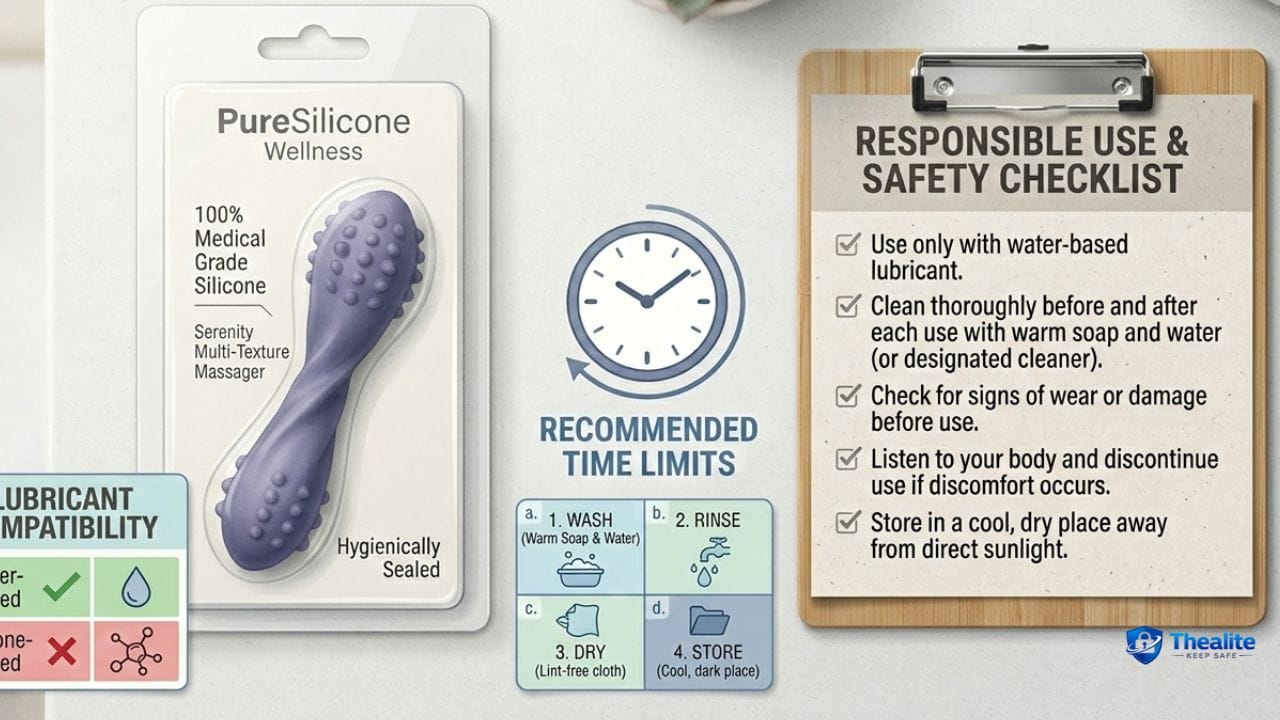
- Use body-safe materials that clean easily (medical-grade silicone, stainless steel, glass).
- Avoid damaged, porous, or unknown materials.
2) Use plenty of lubricant
The anus doesn’t self-lubricate, so lube is key. Planned Parenthood notes that oil-based products can damage condoms, so use a compatible lubricant with your barrier method and toy material.
- Use generous lube (reapply if you feel dryness).
- Avoid numbing agents—they can mask pain and increase injury risk.
- If using condoms on toys, pick lube that won’t degrade the condom.
3) Go slow and warm up
- Never force insertion.
- Take time to relax and use gradual sizing if you’re new.
- If anything feels wrong, stop and reassess.
4) Hygiene: clean before and after
- Wash hands and the toy before and after.
- Use warm water and mild soap (follow toy instructions).
- If sharing between partners or moving between body areas, use a condom on the toy or clean thoroughly to reduce infection risk.
How to decide your personal safe time limit
Instead of chasing a number, use a check-in system. Set a timer and reassess at regular intervals.
The 15–30 minute check-in
- Is it still comfortable (no increasing pressure or pain)?
- Is lubrication still adequate (no dryness)?
- Any numbness, tingling, or burning?
- Any urge to strain or difficulty using the bathroom?
- Any skin irritation from the base rubbing?
If any answer is “yes” to a warning sign, remove it.
Can you sleep with a butt plug in?
Sleeping while wearing a plug is generally riskier because you can’t monitor pain, pressure, or numbness. If something shifts or causes irritation, you won’t catch it quickly. Most safety advice recommends avoiding sleep wear.
Can you wear one ‘all day’?
“All day” wear increases risk because of prolonged pressure, friction, and hygiene issues—especially if you sit for long periods. If you’re determined to do long wear, treat it as advanced practice: smallest comfortable size, body-safe material, plenty of lube, frequent check-ins, and stop immediately if anything feels off.
Safe removal tips
Most removal problems happen because people rush or panic. Take it slow.
- Wash hands and relax your body (tension makes removal harder).
- Add more lube around the base if needed.
- Use slow, steady pressure—do not yank.
- If you feel pain, stop, breathe, and try again after relaxing.
If you can’t remove it
- Do not force it.
- Try changing positions (squat, one leg up, or lying on your side).
- Add lube and wait a few minutes for muscles to relax.
- If it’s still stuck, or you have significant pain or bleeding, seek urgent medical care. This is more common than people think and clinicians handle it professionally.
When to avoid butt plugs (or talk to a clinician first)
- Active hemorrhoids, anal fissures, or rectal bleeding
- Recent anal/rectal surgery or severe pain with bowel movements
- Unexplained rectal pain, fever, or infection symptoms
- Pregnancy-related concerns (ask a clinician if unsure)
- Any condition where you’ve been told to avoid rectal insertion
Aftercare (helps prevent irritation)
- Clean the toy thoroughly and let it dry.
- Wash the area with gentle soap and water (avoid harsh scrubbing).
- If you feel sore, give yourself a break before trying again.
- If you have ongoing pain, bleeding, or fever, contact a healthcare professional.
Copy/Paste Safety Checklist
- Flared base + body-safe material
- Start small; never force
- Use lots of lube; reapply as needed
- Set a timer and do 15–30 minute check-ins
- Stop for pain, numbness, bleeding, or worsening discomfort
- Don’t sleep with it in (higher risk)
- Clean before and after; consider a condom on the toy for easier cleanup
FAQs
What’s a ‘safe’ time for beginners?
Many beginners do best with short sessions (10–30 minutes) and then reassess. The goal is comfort and learning what your body tolerates, not long wear.
Is it normal to feel pressure?
Mild pressure can be normal, but sharp pain, cramping, burning, or numbness are not. Pain is a stop signal.
Why does it get harder to remove sometimes?
Swelling, muscle tension, or dryness can make removal harder. Relax, add lube, and go slow. Don’t force it.
Is bleeding normal?
A tiny smear can happen if tissue is irritated, but ongoing bleeding or significant blood is not normal—stop and seek medical advice.
How do I reduce infection risk?
Use good hygiene: clean the toy and your hands, avoid moving from anal to vaginal use without cleaning or a new condom, and use barrier protection as appropriate.
Conclusion
Most people are safest treating butt plug wear as a time-limited activity, not an all-day accessory. A good starting point is short sessions with frequent check-ins. Comfort, lubrication, hygiene, and a flared-base toy matter more than the exact number of minutes. If you feel pain, numbness, or can’t remove it easily, stop and get help—your health comes first

As a digital marketer, she has received multiple international awards, including Campaign of the Year at the 2023 European Content Awards and Best Use of Content Marketing at the 2022 Global Search Awards. Nicai holds an MSc in Marketing (First Class Honours) from the UCD Smurfit Graduate Business School and she has also completed the Artificial Intelligence Programme at Oxford University’s Saïd Business School. She is also a contributing writer for publications such as Entrepreneur and Esquire.