Rules can feel annoying until you understand what they’re doing: they reduce risk. Whether it’s a workplace policy, a school guideline, a community rule, or a personal habit, most safety rules exist for the same reason—prevent predictable mistakes that lead to injuries, losses, or emergencies. This guide explains how rules protect you, how to spot the “why” behind a rule, and how to use rules to stay safer in real life.
The Big Idea: Rules Reduce Risk (Not Just “Control You”)
Safety rules usually target one (or more) of these four risk reducers:
• They lower the chance of an accident happening.
• They reduce how severe the outcome is if something goes wrong.
• They make problems easier to detect earlier.
• They create consistency so people don’t have to guess in a crisis.
A quick example:
“Lock your car doors” doesn’t guarantee you’ll never be targeted. But it does reduce opportunity, adds time and noise for a criminal, and pushes risk away from you toward easier targets.
Why Safety Rules Work: 7 Ways Rules Protect You
1) Rules remove guesswork
In stressful moments, humans make fast, imperfect decisions. Rules act like a pre-made decision: you follow the steps, and you’re less likely to freeze or improvise badly.
2) Rules prevent common, repeatable mistakes
Most harm comes from predictable errors—forgetting, rushing, multitasking, assuming. Rules place guardrails where people usually slip.
3) Rules create safer defaults
The “default” is what happens when nobody thinks. A good rule makes the default safer—for example: using two-factor authentication, wearing a seatbelt, or storing important documents securely.
4) Rules reduce exposure time
Many dangers become more likely the longer you’re exposed. Rules shorten exposure—for example, don’t leave food in the “danger zone” temperature range, or don’t share sensitive info publicly.
5) Rules add layers of defense
Good safety uses layers: if one layer fails, another still helps. A password alone is one layer; a password plus two-factor authentication is two layers.
6) Rules help people coordinate
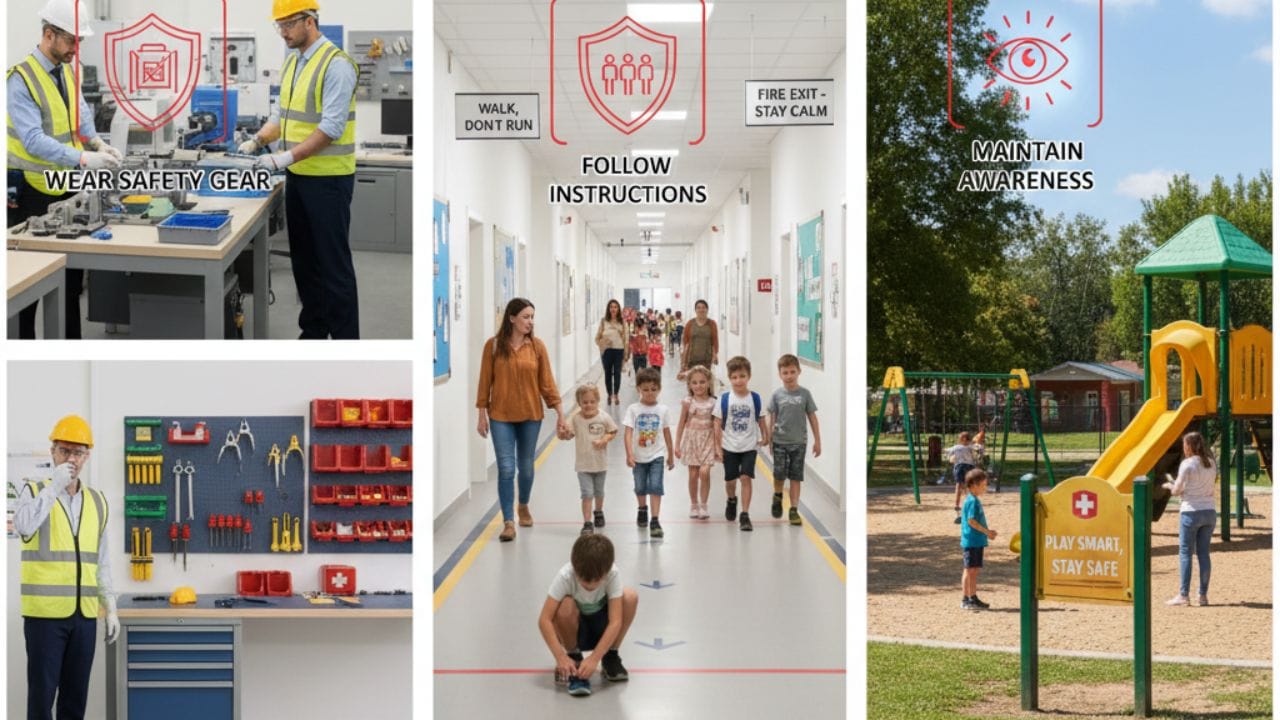
When everyone follows the same rule, your safety doesn’t depend on one person’s judgment. That’s why road laws and emergency procedures matter.
7) Rules build habits that protect you when you’re tired
Most people get hurt or scammed when they’re distracted or exhausted. Rules that become habits keep you safer on autopilot.
How to Understand Any Rule in 30 Seconds
If a rule seems random, ask:
• What bad outcome is it trying to prevent?
• What mistake do people commonly make here?
• Does it reduce likelihood, severity, or both?
• What happens if everyone ignores it at the same time?
Examples: How Rules Keep You Safe in Real Life
Online identity rules (fraud and privacy)
Identity theft and account takeover often start with small leaks: reused passwords, overshared personal details, or clicking a convincing phishing message. Rules like “use unique passwords,” “turn on 2FA,” and “don’t share personal details publicly” reduce the number of ways someone can impersonate you.
Practical rules that work:
• Use a long, unique password for each important account.
• Turn on two-factor authentication (2FA) anywhere it’s offered.
• Treat urgent messages asking for money or codes as suspicious until verified.
• Keep devices updated to reduce security vulnerabilities.
Related reading on your site: How to Keep Your Password Safe • Keep Bank Account Safe Online • Keep Phone Safe From Hackers • Keep Personal Information Safe Online
Home safety rules (fire, theft, and accidents)
Home safety rules help because most home incidents happen during routine tasks—cooking, stairs, storage, and shortcuts. Rules like “don’t overload outlets,” “store valuables securely,” and “use handrails” reduce both accident likelihood and injury severity.
Internal links you can add for home safety context: How Handrails on Stairs Help Keep You Safe • How to Keep Important Documents Safe at Home • How to Keep Money Safe at Home
Travel rules (pickpockets, document loss, and scams)
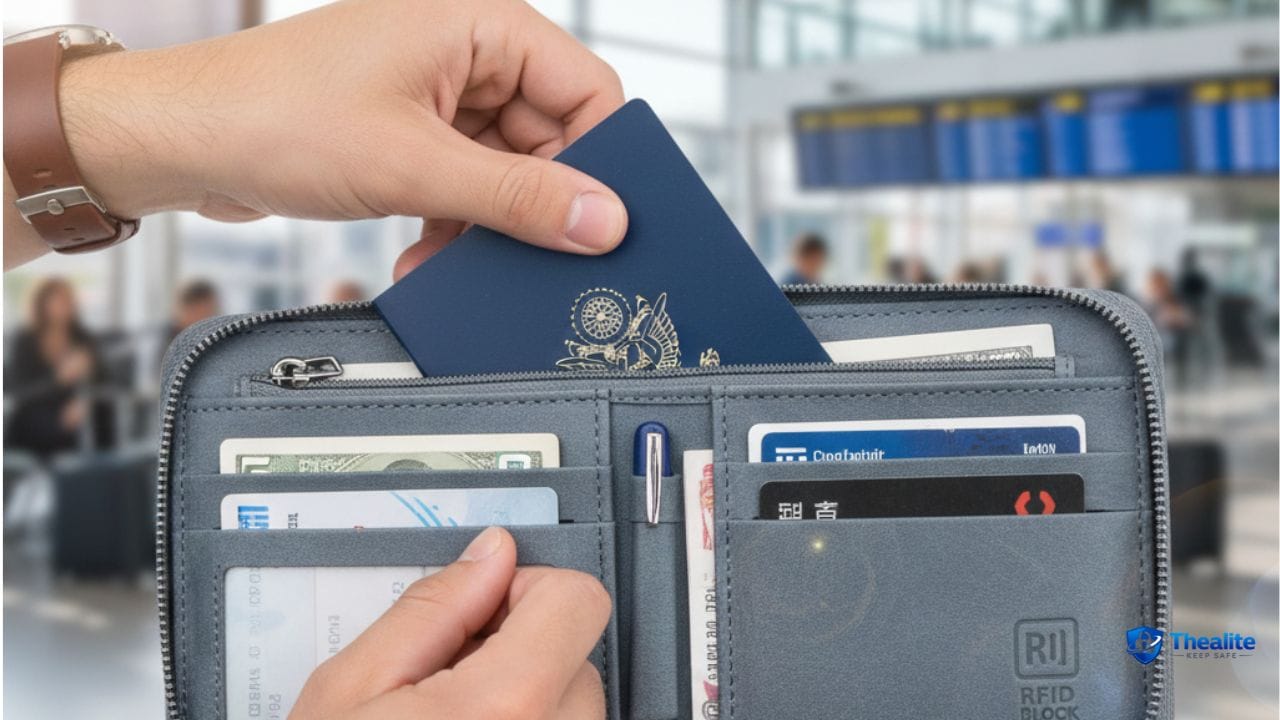
Travel is a risk-multiplier because you’re in unfamiliar places, carrying more valuables, and following different routines. Rules like “keep valuables on your body,” “separate backups,” and “use hotel safes correctly” reduce loss and disruption.
Related reading: Keep Phone Safe From Pickpockets • Keep Passport Safe While Traveling • How to Keep Money Safe When Traveling
Kids and teen safety rules (online + real-world boundaries)
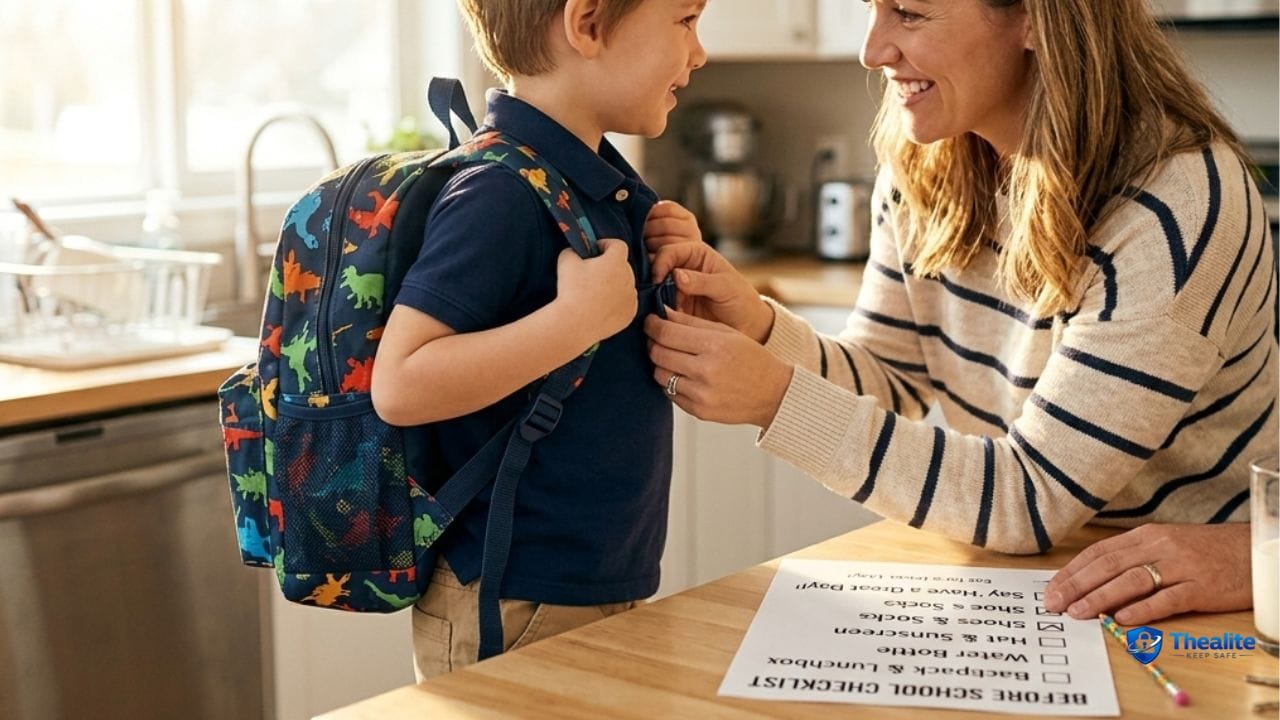
Rules for kids and teens work best when they’re specific and consistent. They help children recognize red flags, avoid risky situations, and ask for help earlier. Safety rules should be age-appropriate and explained in plain language.
Related reading: How to Keep Children Safe Online • How to Keep Kids Safe on Roblox • How to Keep Your Child Safe From Predators
Food and health rules (preventing illness)
Food safety rules exist because bacteria grow fast under certain conditions. Rules about handwashing, temperature, and storage reduce the chance of foodborne illness, which can be serious—especially for kids, older adults, and immunocompromised people.
Related reading: Keep Temperature Control for Safety Food Safe • Practices That Keep Cold Food Safe • Wearing Gloves Can Keep Food Safe By
What Makes a Good Safety Rule? (And When Rules Feel Useless)
A good safety rule is clear, realistic, and tied to a real risk. Rules feel pointless when they:
• are vague (“be careful”) instead of specific (“do X before Y”).
• don’t match how people actually work or live.
• are enforced inconsistently.
• don’t explain the “why,” so people treat them as optional.
How to Follow Rules Without Feeling Restricted
Try these approaches:
• Translate rules into habits (set up reminders, checklists, or routines).
• Reduce friction (password manager, designated storage spots, go-bag).
• Use the two-minute rule for security tasks you delay.
• If you must break a rule, replace it with an equal or stronger safety step.
Quick Checklist: Everyday Rules That Keep Most People Safer
• Lock doors and windows; don’t hide spare keys outside.
• Use unique passwords + 2FA for email, banking, and social accounts.
• Keep important documents protected and backed up (digital + physical).
• Be cautious with links/attachments; verify urgent requests.
• Use handrails on stairs; keep walkways clear to reduce falls.
• Store valuables securely; limit what you carry daily.
• When traveling, keep your phone and passport protected and separated from backups.
FAQs
Why do rules keep people safe?
Because they reduce predictable mistakes and lower risk. They create safer defaults, add layers of protection, and help people act consistently under stress.
Do safety rules guarantee nothing bad will happen?
No. Rules reduce probability and severity, but they can’t eliminate all risk. Think of them as risk management, not magic.
What if a rule doesn’t make sense to me?
Ask what harm it prevents, what common mistake it addresses, and whether it reduces likelihood or severity. If you still can’t find a reason, look for updated guidance from the organization or authority that created it.
What’s the most important online safety rule for identity protection?
Protect your email account first (strong unique password + 2FA), because email is often the master key used for password resets.
How do I help kids follow safety rules?
Explain the why, keep rules specific, and practice scenarios (what to do if someone asks for personal info, where to go for help, who to call).
Conclusion
Rules keep you safe when they’re tied to real risks and followed consistently. If you learn to decode the why behind a rule, you’ll follow it more naturally—and you’ll also be able to create your own personal rules for the situations you face most: online accounts, money, travel, and home safety. The goal isn’t perfect safety; it’s fewer emergencies, smaller losses, and faster recovery when something goes wrong.

As a digital marketer, she has received multiple international awards, including Campaign of the Year at the 2023 European Content Awards and Best Use of Content Marketing at the 2022 Global Search Awards. Nicai holds an MSc in Marketing (First Class Honours) from the UCD Smurfit Graduate Business School and she has also completed the Artificial Intelligence Programme at Oxford University’s Saïd Business School. She is also a contributing writer for publications such as Entrepreneur and Esquire.