The Georgia Tech MBA acceptance rate is an important factor for prospective students who are considering applying to the Scheller College of Business. Understanding the acceptance rate can help applicants evaluate how competitive the program is and what they need to prepare before submitting their application. Georgia Tech is widely known for its strong academic reputation, innovative curriculum, and close connections with major industries, making its MBA program an attractive option for students around the world.
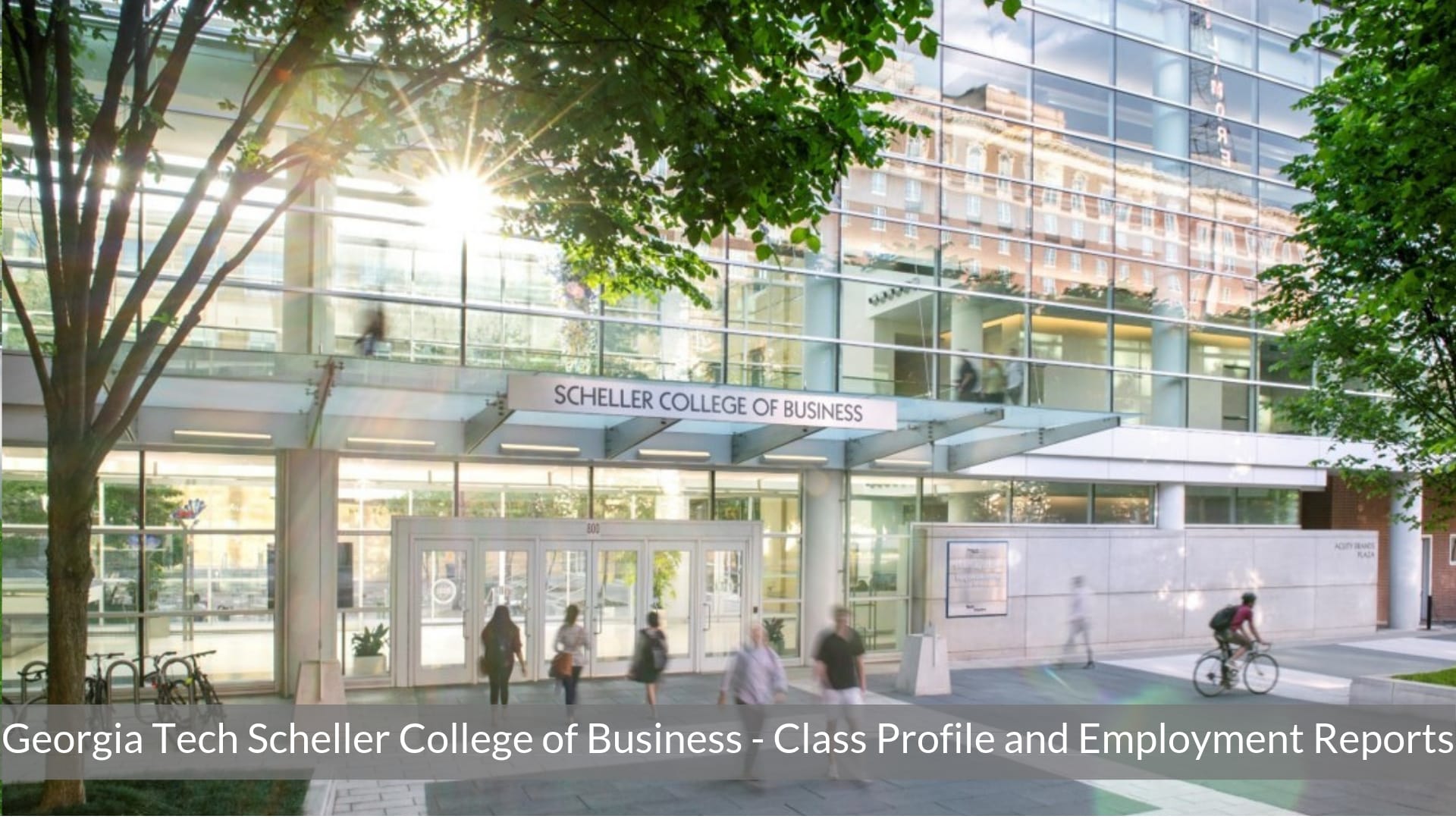
The MBA program at the Georgia Institute of Technology, commonly referred to as Georgia Tech, is offered through the Scheller College of Business. The school focuses on combining business education with technology and innovation. Because of this unique focus, the program attracts applicants who are interested in leadership roles in technology-driven industries, consulting, finance, and entrepreneurship.
What Is the Georgia Tech MBA Acceptance Rate?
The Georgia Tech MBA acceptance rate is generally considered moderately competitive compared to many other top MBA programs in the United States. On average, the acceptance rate tends to fall between approximately 25% and 30%. This means that out of every 100 applicants, around 25 to 30 students are admitted into the program.
Although the acceptance rate is not as low as some Ivy League MBA programs, admission is still selective. The admissions committee evaluates candidates based on multiple factors including academic performance, professional experience, leadership potential, and career goals. Therefore, applicants must present a well-rounded application to improve their chances of acceptance.
Overview of the Georgia Tech MBA Program
The Scheller College of Business offers several MBA formats designed to accommodate different types of students. These programs provide flexibility while maintaining the same academic standards and curriculum quality.
Full-Time MBA
The Full-Time MBA program is designed for professionals who want to pause their careers and focus on intensive business education. The program typically takes two years to complete and includes internships, leadership development opportunities, and global experiences.
Evening MBA
The Evening MBA program is ideal for working professionals who want to continue working while earning their degree. Classes are scheduled in the evenings, allowing students to apply what they learn in real time within their organizations.
Executive MBA
The Executive MBA program is tailored for experienced professionals and senior managers. It focuses on strategic leadership, innovation, and advanced business decision-making skills.
Admission Requirements for Georgia Tech MBA
Applicants interested in the Georgia Tech MBA program must meet several admission requirements. These requirements help the admissions committee evaluate whether a candidate is prepared for the rigorous academic environment of the program.
Academic Background
Applicants must hold a bachelor’s degree from an accredited institution. Although there is no specific undergraduate major required, students with strong academic records typically have a higher chance of acceptance.
GMAT or GRE Scores
Most applicants submit either GMAT or GRE scores as part of their application. Competitive scores often strengthen an application and demonstrate quantitative and analytical abilities.
Work Experience
Professional experience is a key component of the Georgia Tech MBA application. Many admitted students have several years of work experience that shows career progression, leadership responsibilities, and measurable impact within their organizations.
Letters of Recommendation
Applicants are typically required to submit letters of recommendation from supervisors or professional colleagues. These letters help provide insights into the applicant’s leadership potential, work ethic, and professional accomplishments.
Personal Essays
Essays allow applicants to explain their career goals, motivations for pursuing an MBA, and reasons for choosing Georgia Tech. A compelling essay can help the admissions committee understand how a candidate fits within the program.
Average GMAT and GPA for Accepted Students
Although the Georgia Tech MBA acceptance rate provides an overall view of selectivity, average GMAT scores and GPAs also give insight into the competitiveness of admitted students.
- Average GMAT score: around 680 to 700
- Average undergraduate GPA: approximately 3.3 to 3.5
- Average work experience: typically 4 to 6 years
These numbers are averages rather than strict requirements. Applicants with lower scores may still be admitted if they demonstrate strong professional achievements, leadership skills, or unique experiences.
Why Students Choose Georgia Tech for an MBA
The Georgia Tech MBA program offers several advantages that make it appealing to students who want a career-focused and innovative business education.
Strong Focus on Technology and Innovation
Georgia Tech is widely recognized for its strengths in engineering and technology. The MBA program integrates business strategy with technological innovation, which is particularly valuable for students interested in tech-driven industries.
Industry Connections
The university has strong partnerships with major companies including technology firms, consulting organizations, and multinational corporations. These connections create opportunities for internships, networking, and job placements after graduation.
Career Outcomes
Graduates from the Scheller College of Business often secure roles in consulting, product management, finance, and technology leadership. Many employers value the combination of analytical thinking and strategic leadership that Georgia Tech MBA graduates bring.
Tips to Improve Your Chances of Admission
Since the Georgia Tech MBA acceptance rate indicates a competitive admissions process, applicants should focus on strengthening their profiles before applying. A thoughtful and strategic application can significantly improve the likelihood of acceptance.
Develop Leadership Experience
Admissions committees look for candidates who demonstrate leadership potential. Taking initiative in projects, managing teams, or leading organizational changes can strengthen an application.
Prepare for the GMAT or GRE
A strong standardized test score can enhance an applicant’s academic profile. Preparing thoroughly and aiming for a competitive score can make a positive difference.
Clarify Career Goals
Applicants should clearly explain how an MBA from Georgia Tech fits into their long-term career plans. Specific goals and a clear vision often make applications more compelling.
Highlight Unique Experiences
Professional achievements, entrepreneurial ventures, international experience, or technical expertise can help candidates stand out from other applicants.
Is Georgia Tech MBA Hard to Get Into?
The Georgia Tech MBA program is selective but accessible for qualified candidates. With an acceptance rate around 25–30%, the program seeks applicants who combine academic ability, professional experience, and leadership potential. Students who present a balanced application with clear goals and strong achievements have a realistic chance of admission.
Conclusion
The Georgia Tech MBA acceptance rate reflects a competitive yet attainable program for motivated professionals. The Scheller College of Business offers a distinctive blend of business strategy, technology innovation, and leadership development. For applicants who prepare strong applications and demonstrate clear career ambitions, Georgia Tech can be an excellent destination for earning an MBA and advancing in today’s dynamic business environment.

As a digital marketer, she has received multiple international awards, including Campaign of the Year at the 2023 European Content Awards and Best Use of Content Marketing at the 2022 Global Search Awards. Nicai holds an MSc in Marketing (First Class Honours) from the UCD Smurfit Graduate Business School and she has also completed the Artificial Intelligence Programme at Oxford University’s Saïd Business School. She is also a contributing writer for publications such as Entrepreneur and Esquire.