A beach day should feel relaxing—but beaches are also easy targets for theft. People leave bags unattended while swimming, phones sit on towels, and keys/wallets get hidden in obvious places. The good news is you don’t need expensive gadgets to stay safe—you need a simple system: bring less, make theft inconvenient, and use a few smart routines.
This U.S.-focused guide explains practical beach theft prevention, what to do with your phone, wallet, keys, and car, and a copy/paste checklist you can use before every beach trip.
Quick Answer (Beach Security in 7 Steps)
- Bring fewer valuables (leave jewelry and extra cards at home).
- Use one “beach wallet” (ID + one payment method + small cash).
- Keep items on your body when possible (waterproof pouch/secure pocket).
- Use group routines: one person watches bags when others swim.
- Make theft inconvenient (burying doesn’t work—use concealment + proximity instead).
- Secure your car: don’t leave valuables visible; hide items before you arrive.
- Use phone security settings in case it’s stolen (lock screen, Find My, backups).
Why Beach Theft Happens (So You Can Prevent It)
Beach theft is usually opportunistic. Thieves look for easy wins: phones on towels, bags left alone during swims, and unlocked cars with visible items. Your goal is to remove easy opportunities.
Common beach theft patterns
- Grab-and-run: thief snatches a phone/wallet and disappears into crowds.
- Bag sweep: unattended bags are quickly searched for cash/phones/keys.
- Car break-ins: thieves target parking lots where tourists leave bags visible.
- Distraction: one person distracts while another grabs items (rare but real in busy areas).
Step 1: Bring Less (The #1 Safety Upgrade)
If you don’t bring it, it can’t be stolen. The best beach security strategy is minimalism.
Leave at home
- Expensive jewelry and watches
- Extra credit/debit cards
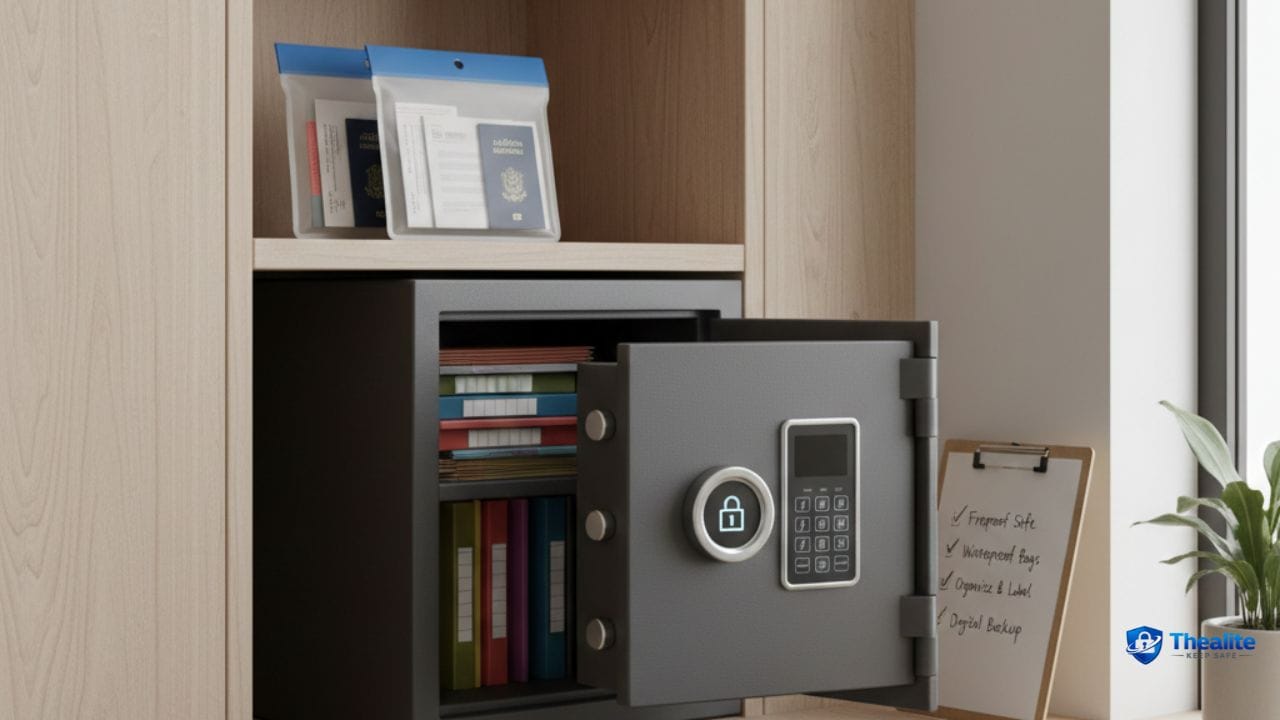
- Passport and non-essential documents
- Large amounts of cash
Bring instead (beach kit)
- ID + one payment method + small cash
- One key (not the entire keychain)
- Phone (only if needed)
- Towel + sunscreen + water + basic essentials
Step 2: Secure Your Phone (Most Common Target)
Phones are the #1 beach theft target because they’re valuable and easy to resell. If your phone is stolen, your accounts are also at risk.
Phone safety habits
- Use a strong lock screen (PIN/biometrics).
- Enable Find My / Find My Device and keep it on.
- Turn on backup (photos and important data).
- Avoid leaving your phone on top of your towel in plain view.
- Use a waterproof pouch and keep it on your body if you swim alone.
More: How to Keep Your Phone Safe From Pickpockets.
Step 3: What to Do With Keys at the Beach
Keys are tricky because you can’t easily replace a car key at the beach. Avoid obvious hiding spots.
Safer key options
- Take only one key (leave the big keychain at home).
- Use a small waterproof pouch and keep it on you while swimming.
- If you’re with a group, rotate “bag watch” duty.
- If your car has a valet key or key card option, use it (where applicable).
Avoid these key hiding myths
- Hiding keys under your towel (first place thieves check).
- Burying keys in sand (you can lose them and thieves know the trick).
- Leaving keys in an unlocked beach bag.
Step 4: Bag Security (How to Make Theft Inconvenient)
Beach bags are easy to open, and thieves can search them in seconds. Your goal is to slow them down and reduce what’s inside.
Practical bag security tactics
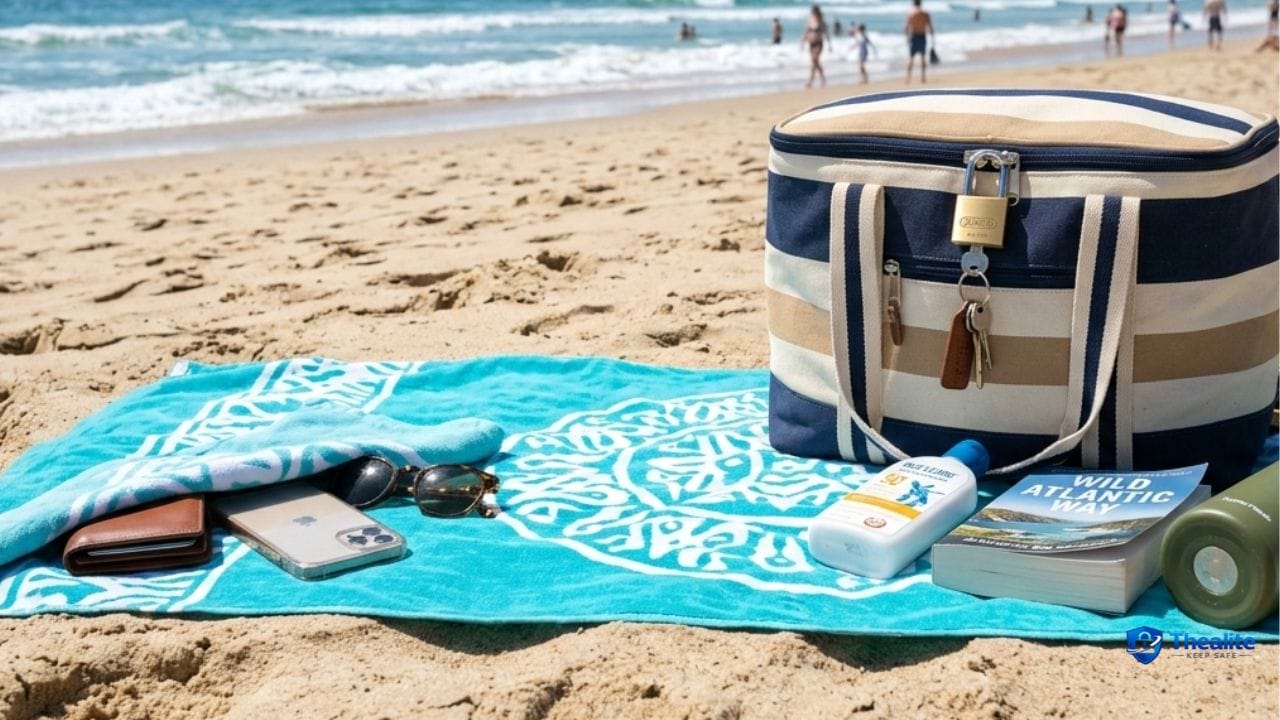
- Keep valuables in a small inner pouch instead of scattered in the bag.
- Place bags close to you (thieves prefer distance).
- Use a bag clip or wrap a strap around a chair/umbrella pole (not perfect, but adds friction).
- Choose bags with zippers rather than open totes.
Group strategy (best if you’re not solo)
- One person stays with items while others swim, then rotate.
- Set a single bag area so you can visually monitor it.
- If you make friends nearby, politely agree to keep an eye out for each other.
Step 5: Car Safety in Beach Parking Lots
Many beach thefts happen in the parking lot, not on the sand. Tourists often leave bags in the car while they swim.
Car safety rules
- Don’t leave valuables visible in the car (even for a few minutes).
- Hide items before you arrive at the beach parking lot (thieves watch people hide things).
- Lock doors and close windows fully.
- Avoid leaving phones, wallets, or bags in the trunk if you just moved them there in view of others.
Step 6: Beach Water and Sand Damage Prevention
Safety isn’t only theft—water and sand can destroy electronics and cards.
- Use waterproof pouches for phones and keys.
- Keep cards/cash in a sealed pouch to avoid water damage.
- Rinse and dry items after beach exposure (salt + sand cause wear).
- Avoid charging devices with wet hands or near water.
Step 7: What to Do If Something Gets Stolen
If theft happens, act fast to reduce damage—especially if your phone or wallet is involved.
Fast action plan
- Use Find My to locate/lock your phone and mark it lost.
- Change passwords for key accounts if your phone was unlocked or compromised.
- Cancel cards and monitor accounts for fraud.
- Report theft to local authorities and the beach security staff if available.
- If car keys were stolen, contact roadside assistance and your vehicle provider.
Copy/Paste Checklist: Keep Your Stuff Safe at the Beach
- Leave jewelry, extra cards, and passports at home
- Bring a ‘beach wallet’: ID + one card + small cash
- Use waterproof pouch for phone/keys and keep on-body when swimming
- Use group rotation: one person watches bags while others swim
- Keep bags zipped and close; use inner pouch for valuables
- Car safety: hide items before arrival; nothing visible in car
- Phone settings: lock screen + Find My + backups enabled
FAQs
Where is the safest place to put your phone at the beach?
The safest option is a waterproof pouch kept on your body or held by a trusted person. Avoid leaving it on a towel in plain view.
Is it safe to bury valuables in the sand?
It’s not reliable. You can lose them, and thieves know people try this. Use concealment plus proximity and keep valuables minimal.
How do I keep my keys safe while swimming?
Use a small waterproof pouch worn on your body, or rotate bag-watch duty with a trusted group.
What’s the biggest beach parking lot mistake?
Leaving bags visible or moving valuables into the trunk in the parking lot. Hide items before you arrive and leave nothing visible.
Should I bring my passport to the beach while traveling?
Usually no. Keep it secured in lodging (or another safe place) and carry a copy if needed, depending on local rules.
Conclusion
To keep your stuff safe at the beach, you don’t need fancy gear—you need a system: bring fewer valuables, keep essentials on your body, use group routines, make your bag harder to grab, and treat the parking lot as a high-risk area. With a simple checklist, your beach day stays relaxing—and your valuables stay with you.

As a digital marketer, she has received multiple international awards, including Campaign of the Year at the 2023 European Content Awards and Best Use of Content Marketing at the 2022 Global Search Awards. Nicai holds an MSc in Marketing (First Class Honours) from the UCD Smurfit Graduate Business School and she has also completed the Artificial Intelligence Programme at Oxford University’s Saïd Business School. She is also a contributing writer for publications such as Entrepreneur and Esquire.