Building a secure, thriving household goes far beyond locking the front door at night. True well-being is a blend of physical health and environmental safety. From the food we eat to the digital spaces we navigate, our daily habits dictate our overall quality of life. When families prioritize proactive routines, they create an environment where everyone—from energetic toddlers to aging grandparents—can live comfortably and confidently. Understanding the deep connection between a safe home and a healthy body is the first step toward preventing avoidable accidents and fostering long-term wellness.
Why Safety and Health Go Together
It is impossible to separate physical health from everyday safety. A cluttered walkway isn’t just a messy house; it is a trip hazard that can lead to a broken bone. Similarly, poor digital habits don’t just compromise data; they create immense emotional stress that can negatively impact your physical health. Safety is the shield that protects our health. By actively removing physical, digital, and environmental risks from our daily lives, we give our bodies and minds the best possible chance to thrive without interruption.
What Is One Reason to Keep Them Safe and Healthy in Daily Life?
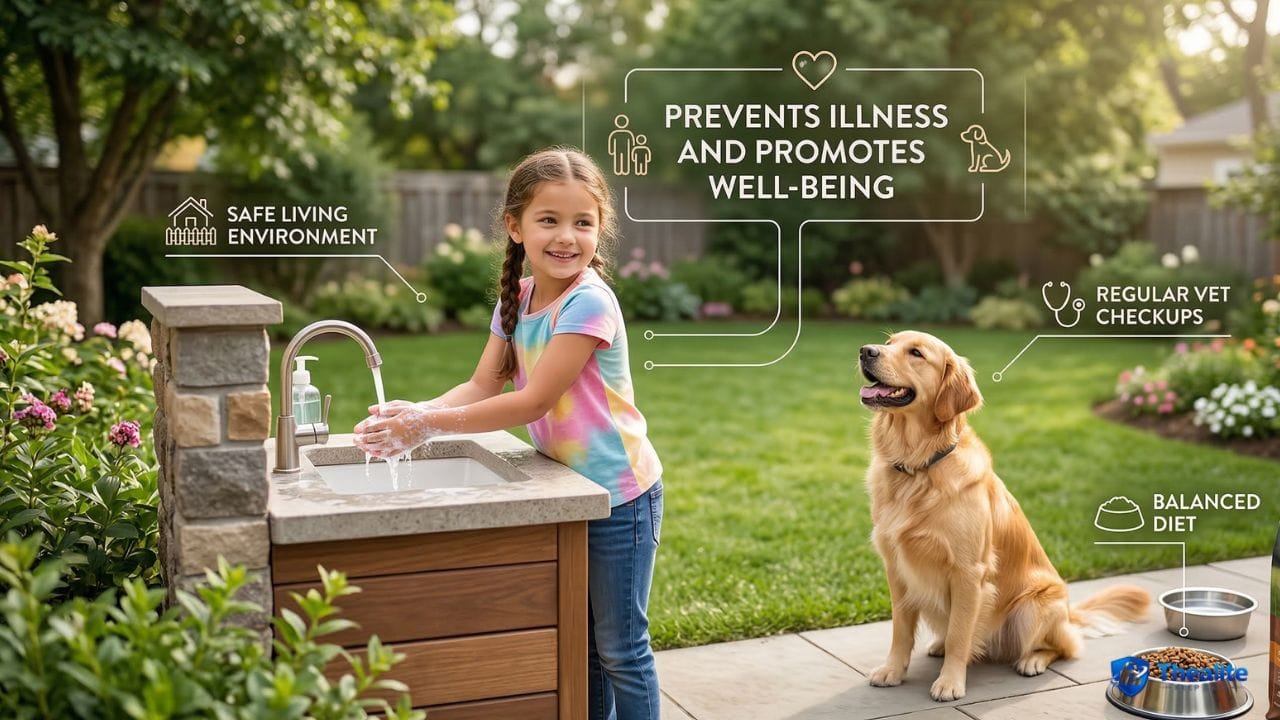
If you ask families, what is one reason to keep them safe and healthy, the most powerful answer is prevention. Preventing a crisis is always easier, less expensive, and far less stressful than recovering from one. Whether it is preventing a household injury, stopping a digital scam, or avoiding a seasonal illness, proactive care preserves your family’s quality of life. When you eliminate preventable dangers, you free up your time and energy to focus on happiness, growth, and spending quality time together.
How Simple Routines Protect Children, Adults, and Older People
Every age group faces unique risks, which means safety routines must be adapted for every member of the household. A one-size-fits-all approach rarely works when dealing with different mobility levels and technological skills.
- Children: Kids are naturally curious and lack a sense of danger. Protecting them requires setting strict physical boundaries at home and monitoring their screen time. For parents, understanding how to keep kids safe online is just as critical as teaching them to look both ways before crossing the street.
- Adults: Adults carry the burden of managing the household. This means staying vigilant against fraud and securing the family’s future. Taking time to learn how to keep your identity safe online and figuring out how to keep important documents safe at home reduces chronic stress, which directly benefits your heart health and mental well-being.
- Older People: Aging brings changes to balance, vision, and mobility. Learning how to keep elderly safe at home by removing trip hazards, installing grab bars, and improving lighting can mean the difference between years of independence and a life-altering fall.
Home Safety, Online Safety, Medicine Safety, and Daily Habits
A truly safe home addresses risks in every category. Physical safety involves securing heavy furniture and maintaining smoke detectors. Digital safety involves strong passwords and privacy settings. Medicine safety is particularly crucial in multi-generational homes. You must be diligent about organizing prescriptions and identifying five places where it is safe to keep medicines so they are easily accessible for the adults who need them, but completely out of reach for curious grandchildren.
Preventing Avoidable Harm Before It Starts
Accidents are rarely random; they are usually the result of a chain of overlooked risks. Preventing avoidable harm means paying attention to the small details before they become big problems. This means fixing the loose handrail on the stairs today, rather than waiting for someone to slip. It means setting up two-factor authentication on your bank accounts before a hacker attempts to log in. Proactive safety requires a mindset shift from reacting to emergencies to anticipating them.
How Healthy Routines Support Safer Living
Health and safety fuel each other. Getting a full night of sleep, drinking enough water, and maintaining a balanced diet makes you more alert and responsive. A well-rested driver is far less likely to get into a car accident. An active, physically fit senior has better balance and is less likely to fall in the kitchen. When you invest in your physical health, you naturally improve your situational awareness and reaction times.
Common Mistakes People Make When They Ignore Safety Basics
The biggest mistake individuals make is falling into the “it won’t happen to me” trap. Complacency is the enemy of safety. Another common error is buying safety equipment—like fire extinguishers or first aid kits—but burying them in the back of a closet where they cannot be quickly reached. Finally, neglecting mental health and ignoring chronic stress often leads to distracted behavior, which drastically increases the risk of everyday household accidents.
Simple Ways Families Can Build Safer and Healthier Habits Together
Transforming your home into a safe haven does not require expensive renovations; it requires communication. Hold a brief family meeting once a month to discuss safety rules. Walk through the house together to test smoke alarms and check for new trip hazards. Establish a clear emergency plan so everyone knows who to call and where to go if a crisis occurs. By making health and safety a shared family goal, you create a supportive environment where everyone watches out for one another.
Frequently Asked Questions (FAQ)
What is one reason to keep them safe and healthy?
If you want to know what is one reason to keep them safe and healthy, the best answer is prevention. Preventing an injury, illness, or digital crisis is always much easier and less stressful than enduring the long recovery process.
Why is it important to keep people safe and healthy?
Keeping people safe and healthy ensures they have the physical ability, mental clarity, and environmental security needed to live independently, pursue their goals, and enjoy a high quality of life without constant interruptions from preventable accidents.
How do daily habits affect safety and health?
Daily habits compound over time. Consistently locking doors, managing screen time, eating well, and keeping walkways clear builds a resilient lifestyle that naturally deflects illness, injury, and security threats.
What are simple ways to keep a family safer and healthier?
Simple ways include testing smoke detectors monthly, creating a secure spot for medications, setting boundaries for internet use, keeping emergency contacts visible, and ensuring everyone gets adequate sleep and nutrition.
Why should children and older adults get extra safety attention?
Children lack the experience to identify danger, and older adults may face natural declines in mobility, vision, and balance. Both groups require tailored environments—like digital filters for kids and grab bars for seniors—to prevent specific harms.
How does prevention help long-term well-being?
Prevention eliminates the physical trauma and financial stress of dealing with accidents and illnesses. By avoiding these setbacks, individuals can maintain their strength, independence, and peace of mind well into their later years.
What home habits reduce everyday risk?
Habits like immediately wiping up spills, keeping cords tucked against baseboards, locking away sensitive documents, and never leaving cooking food unattended drastically reduce the risk of common household emergencies.
How can families build a stronger safety routine?
Families can build stronger routines by holding regular safety talks, creating and practicing a fire escape plan, educating everyone on how to spot digital scams, and working together to keep the home organized and hazard-free.

As a digital marketer, she has received multiple international awards, including Campaign of the Year at the 2023 European Content Awards and Best Use of Content Marketing at the 2022 Global Search Awards. Nicai holds an MSc in Marketing (First Class Honours) from the UCD Smurfit Graduate Business School and she has also completed the Artificial Intelligence Programme at Oxford University’s Saïd Business School. She is also a contributing writer for publications such as Entrepreneur and Esquire.