Protecting yourself and your aging loved ones requires a mix of awareness, preparation, and practical home adjustments. As we navigate daily life, personal security is often something we take for granted until an accident or emergency occurs. For older adults, the home—which should be a sanctuary—can sometimes hide invisible risks like trip hazards or poor lighting. By understanding the fundamentals of situational awareness and learning proactive ways to adapt a living space, you can significantly reduce the risk of injury, fraud, and accidents for everyone in your family.
Why Everyday Personal Safety Matters
Everyday personal safety is about minimizing risk before it becomes a crisis. Being proactive means you are less likely to be caught off guard by a physical accident, a scammer, or a sudden emergency. For individuals of all ages, taking small, consistent steps to secure your environment and your digital life builds a strong foundation of confidence and independence. Knowing your surroundings and having a plan in place ensures that if something does go wrong, you are prepared to handle it calmly.
How to Keep Yourself Safe from Danger in Daily Life
If you want to know how to keep yourself safe from danger, the first step is developing strong situational awareness. Always trust your instincts; if a situation or environment feels wrong, remove yourself from it. When running errands, park in well-lit areas, keep your head up, and avoid getting distracted by your phone while walking.
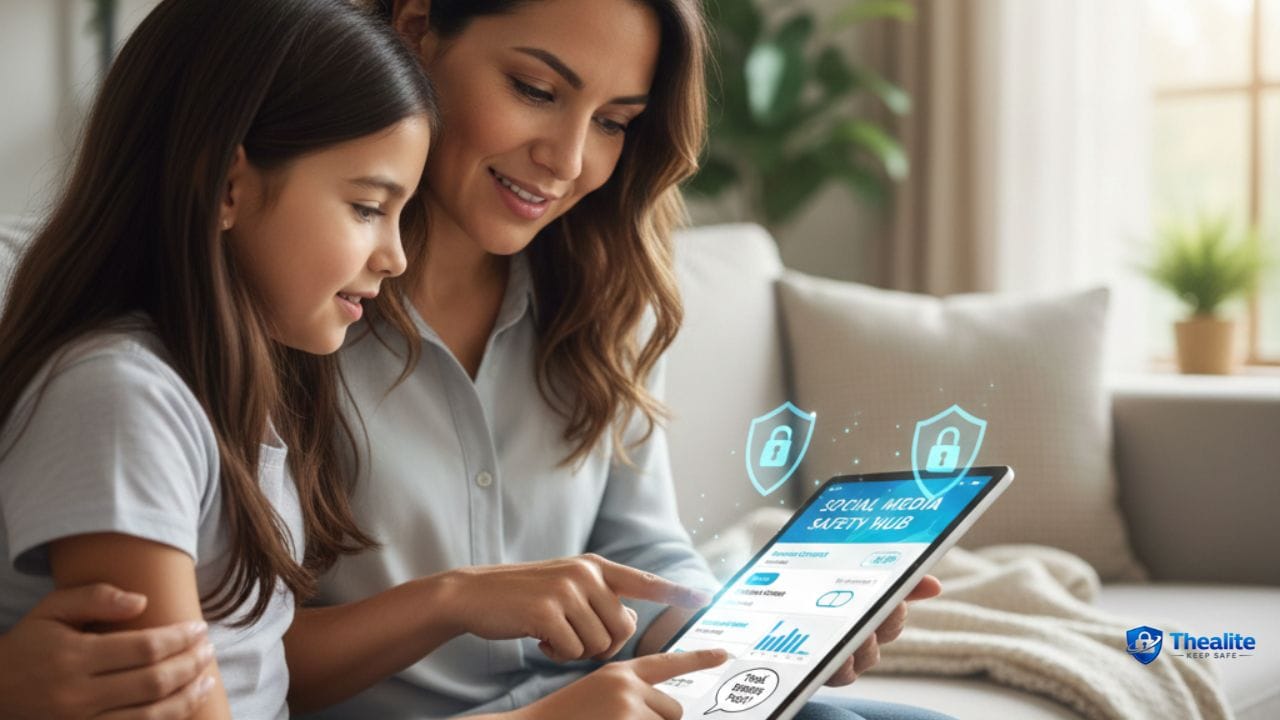
Personal safety also extends heavily into the digital world. Protecting your communication devices is critical so you can always call for help if needed. Take a moment to learn how to keep my phone safe from hackers so your personal data and location tracking features remain secure. Furthermore, if you live in a multi-generational home where devices are shared, it’s a good idea to review how to keep kids safe online to ensure everyone under your roof is protected from cyber threats.
How to Keep Elderly Safe at Home with Simple Room-by-Room Changes
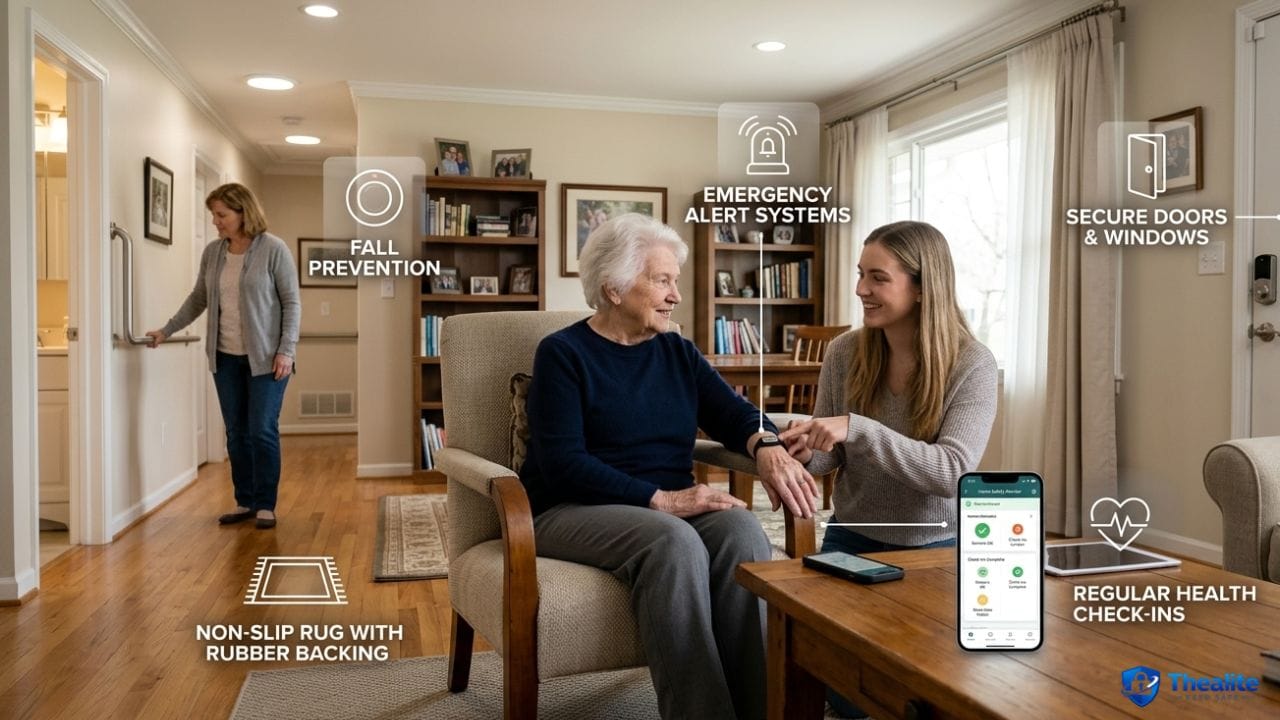
As mobility and vision change with age, a standard house can become difficult to navigate. If you are wondering how to keep elderly safe at home, the best approach is a room-by-room audit. You do not always need expensive renovations; simple, thoughtful adjustments often make the biggest difference in preventing injuries and allowing older adults to age in place comfortably.
Fall Prevention and Trip Hazard Reduction
Falls are the leading cause of injury among older adults. To reduce trip hazards, start by removing all loose throw rugs, or secure them firmly to the floor with double-sided carpet tape. Keep walkways completely clear of clutter, pet toys, and low furniture. Ensure that electrical and extension cords are tucked safely against the baseboards rather than stretched across walking paths.
Bathroom, Kitchen, and Bedroom Safety Tips
The bathroom and kitchen require special attention due to slippery surfaces and appliances.
- Bathroom: Install sturdy grab bars inside the shower and right next to the toilet. Use non-slip rubber mats inside the bathtub and a secure, non-skid rug just outside of it.
- Kitchen: Move everyday dishes, pots, and pantry items to lower shelves to eliminate the need for step stools. Consider appliances with auto-shutoff features to prevent accidental fires.
- Bedroom: Place a bright, easy-to-reach lamp on the nightstand. Make sure there is a clear, well-lit path from the bed to the bathroom for nighttime use.
Lighting, Locks, and Entry Safety
Proper lighting prevents both falls and security breaches. Install motion-sensor lights in hallways, staircases, and outdoor entryways so a senior never has to fumble for a switch in the dark. Upgrade front door security by installing a peephole at the correct eye level or adding a smart doorbell camera. Ensure all doors have sturdy deadbolts that are easy to turn for someone who might have arthritis.
Medication Storage and Daily Reminders
Medication management is a crucial part of daily safety. Using a daily pill organizer helps prevent accidental double-dosing or missed medication. It is equally important to store prescriptions properly to maintain their efficacy and keep them out of the wrong hands. Take time to figure out five safe places to keep medicines that are cool, dry, and easily accessible for the senior, but safely out of reach for visiting grandchildren.
Emergency Contacts, Check-Ins, and Communication Plans
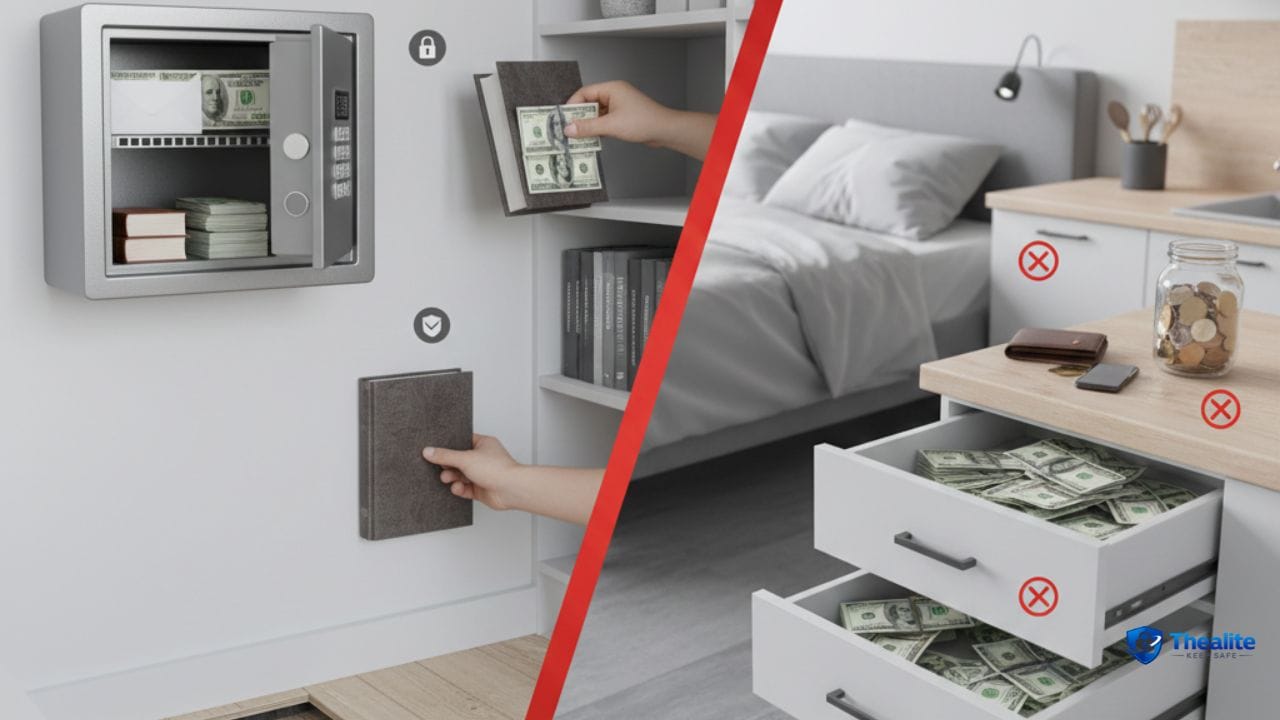
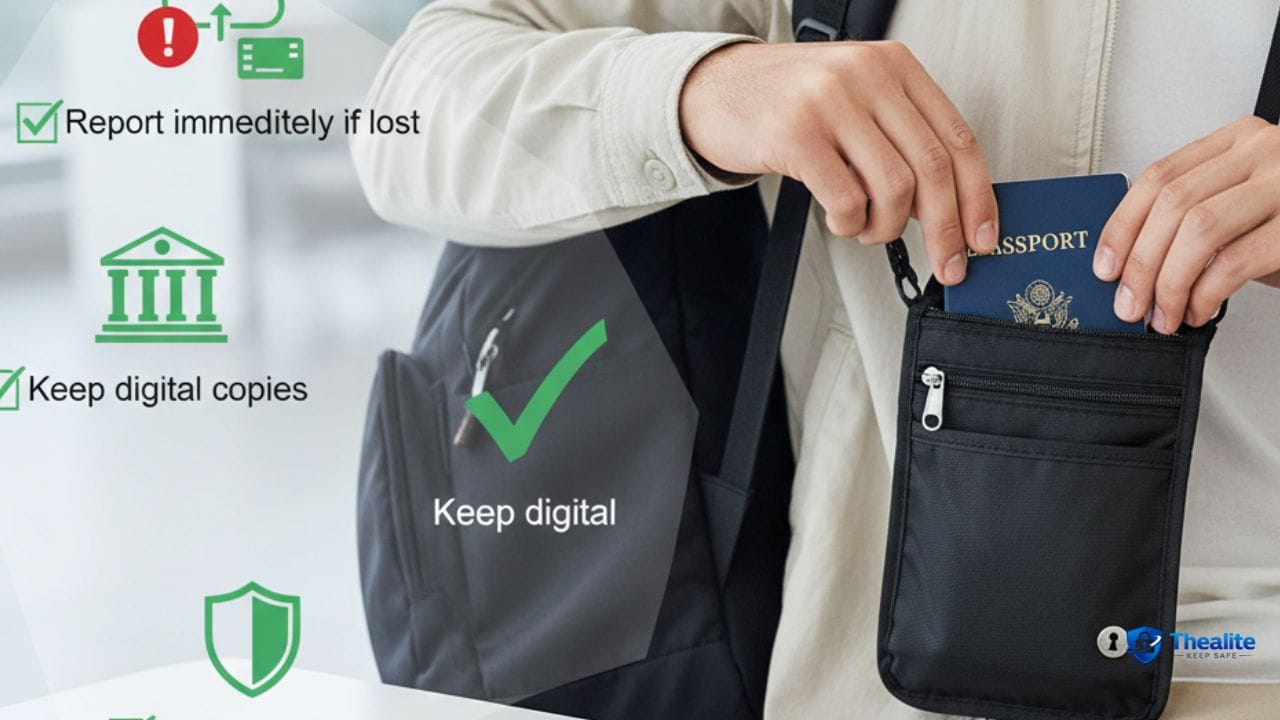
A solid communication plan ensures help is always just a phone call away. Set up a daily check-in routine, whether it is a quick morning phone call or a text message. Post a list of emergency numbers—including doctors, poison control, and close neighbors—in large print near the landline or saved as favorites on their mobile phone. In the event of a medical emergency, you must be prepared; understanding how to keep important documents safe at home guarantees that responders or family members can quickly locate medical directives, insurance policies, and living wills.
Scams, Fraud, and Identity Protection for Seniors
Older adults are frequently targeted by telephone and internet scammers who use high-pressure tactics. Teach your elderly loved ones to never give out their Social Security number, banking details, or passwords over the phone or via email, no matter how urgent the caller sounds. Helping them understand how to keep your identity safe online is one of the most effective ways to protect their hard-earned retirement savings from digital thieves.
Warning Signs That an Older Adult May Need More Support
Keep a close eye out for subtle changes in behavior or their environment. Warning signs that an elderly person may need more daily assistance include:
- Unexplained bruising, which often indicates unreported falls.
- Stacks of unopened mail, unpaid bills, or late notices.
- Spoiled food in the refrigerator or sudden weight loss.
- A noticeable decline in personal hygiene or house cleanliness.
- Increased confusion, forgetfulness, or unusual agitation.
Common Mistakes Families Make When Trying to Improve Safety
When trying to help, families often make the mistake of making too many drastic changes at once, which can cause confusion and distress. Another common error is removing the senior’s independence completely rather than supporting it. Instead of doing everything for them, look for assistive devices that empower them to do tasks safely on their own. Always involve the older adult in safety decisions; framing adjustments as “convenience upgrades” rather than “rules for the elderly” often leads to better cooperation.
Frequently Asked Questions (FAQ)
How to keep yourself safe from danger?
To keep yourself safe from danger, practice active situational awareness, secure your home with proper locks and lighting, protect your digital devices from hackers, and always have an emergency communication plan in place.
How to keep elderly safe at home?
You can keep elderly safe at home by removing trip hazards like loose rugs, installing grab bars in the bathroom, improving lighting in hallways and staircases, and establishing a daily check-in routine to monitor their well-being.
How can seniors stay safer at home alone?
Seniors living alone should wear a medical alert pendant, keep a charged mobile phone nearby at all times, use a smart doorbell to safely see who is at the door, and have groceries or heavy items delivered to avoid strain.
What are the biggest safety risks for elderly people at home?
The biggest safety risks include fall hazards (like cluttered walkways and slippery bathrooms), medication mismanagement (taking incorrect doses), fire hazards from unattended cooking, and vulnerability to telephone or internet scams.
How do you make a house safer for an elderly person?
Make a house safer by adding motion-sensor nightlights, moving everyday kitchen items to lower, easy-to-reach shelves, adding non-slip mats to the bathtub, and ensuring all electrical cords are safely tucked away against the walls.
What should be in an elderly emergency plan?
An elderly emergency plan should include a printed list of emergency contacts, doctors, and neighbors. It should also include organized and easily accessible medical records, a list of current medications, and important legal documents like an advance directive.
How do you protect older adults from scams?
Protect them by talking openly about common scams, helping them set up caller ID or call-blocking services, and teaching them never to provide financial information or passwords to unexpected callers or emailers.
Where should medicines be stored safely at home?
Medicines should be stored in a cool, dry place out of direct sunlight—such as a dedicated lockbox, a high kitchen cabinet away from the stove, or a bedroom drawer—rather than the bathroom medicine cabinet, which gets too hot and humid.

As a digital marketer, she has received multiple international awards, including Campaign of the Year at the 2023 European Content Awards and Best Use of Content Marketing at the 2022 Global Search Awards. Nicai holds an MSc in Marketing (First Class Honours) from the UCD Smurfit Graduate Business School and she has also completed the Artificial Intelligence Programme at Oxford University’s Saïd Business School. She is also a contributing writer for publications such as Entrepreneur and Esquire.