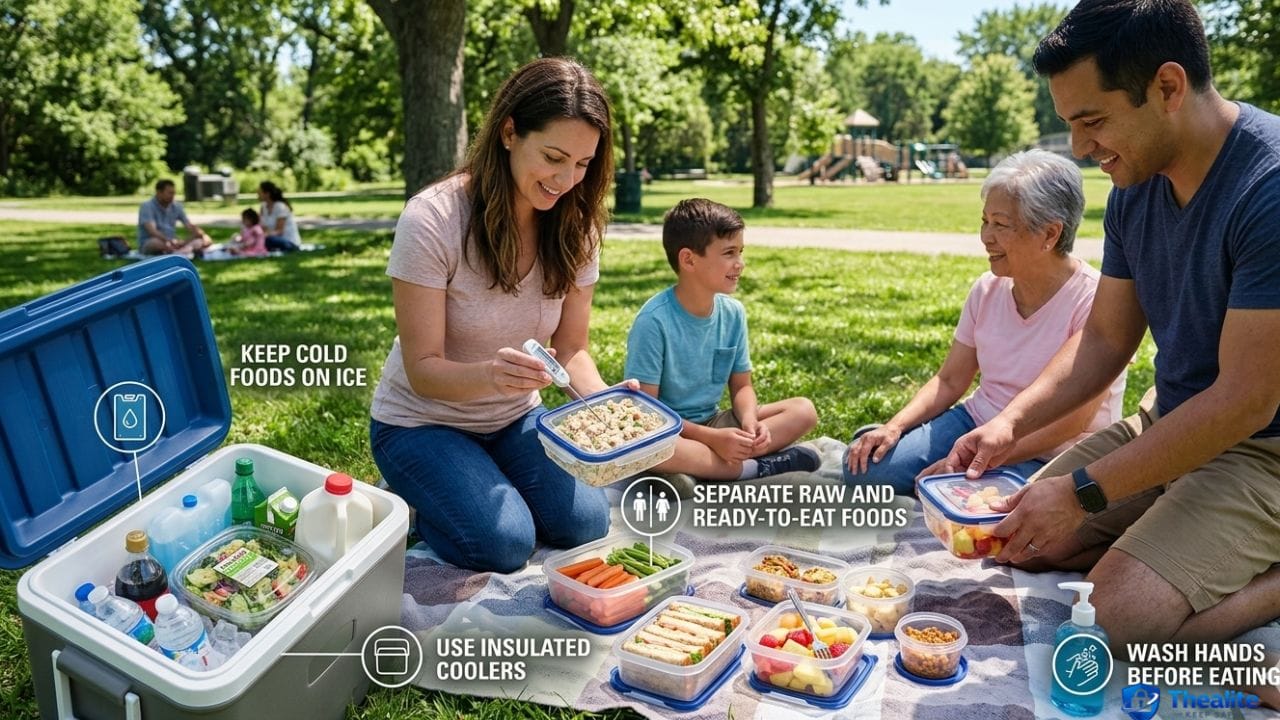
Packing a basket and heading to the park is a perfect way to spend a sunny afternoon, but taking your meal outdoors means leaving your refrigerator and kitchen sink behind. Warm temperatures and outdoor elements create the perfect environment for bacteria to multiply, which can quickly turn a fun family outing into a miserable case of food poisoning. Whether you are hosting a backyard barbecue, tailgating at a game, or hiking to a scenic overlook, knowing exactly how to handle your provisions is essential for keeping everyone healthy.
Why Picnic Food Safety Matters
When food is left outside, it is exposed to summer heat, insects, and fluctuating temperatures. Foodborne illness peaks during the warmer months simply because bacteria grow fastest in warm, moist weather. Protecting your health requires a proactive approach to packing, serving, and storing your outdoor meals. A great picnic is a safe picnic, and it all starts before you even leave your kitchen.
How Can You Keep Picnic Foods Safe to Eat
If you are wondering how can you keep picnic foods safe to eat, the most critical rule is managing the “Temperature Danger Zone.” This zone falls between 40°F and 140°F. Bacteria multiply at an alarming rate within this specific temperature range. To prevent this, you must keep cold foods strictly below 40°F and hot foods above 140°F. Managing these limits helps keep temperature control for safety food safe from the moment you pack your bags until the final bite is eaten.
To Keep Foods Safe Which Methods Should Be Used
To keep foods safe which methods should be used? You should rely on a combination of strict temperature management, physical separation, and rigorous hygiene. Here are the core methods:
- Chilling: Use heavily insulated coolers packed with plenty of ice or frozen gel packs to maintain a cold environment.
- Heating: Use insulated thermoses for hot items. Much like food workers required to keep soup safe on a buffet line, you should pre-warm your thermos with boiling water before adding hot food to extend its heat retention.
- Separating: Keep raw meats securely wrapped and at the very bottom of the cooler so their juices cannot drip onto ready-to-eat foods like fresh fruit, salads, or burger buns.
Cold Foods, Hot Foods, and How Long They Can Sit Out
The universal rule for outdoor food safety is the “two-hour rule.” Perishable food should never sit out at room temperature for more than two hours. However, if the outside temperature is above 90°F, that safe window shrinks to just one hour. Implementing practices that keep cold food safe, like serving pasta salad from a bowl nested inside a larger bowl filled with ice, can help buy you a little extra serving time.
Coolers, Ice Packs, and Insulated Bags
A high-quality cooler is your best line of defense against summer heat. For the best results, pack your cooler full; a full cooler stays colder much longer than a partially empty one. It is also a smart strategy to pack two separate coolers: one for drinks and one for perishable foods. Beverage coolers are opened frequently, which lets the cold air escape rapidly. Keeping your main meal in a separate, less frequently opened cooler helps maintain a consistently safe temperature.
Hand Hygiene, Serving Tools, and Cross-Contamination Prevention
Clean hands are the foundation of food safety. Since running water isn’t always available at a campsite or park, pack moist towelettes and a bottle of hand sanitizer. Always use separate plates and utensils for raw meats and cooked foods. If you bring raw hamburger patties to grill, never put the cooked burgers back on the same unwashed plate that held the raw meat.
Which Picnic Foods Are Higher Risk
Certain foods are much more prone to bacterial growth than others. High-risk foods include mayonnaise-based salads (like potato, macaroni, or tuna salad), raw or undercooked meats, dairy products, and cut fresh fruits like melon. You might ask, is it safe to keep butter at room temperature outside? While butter can survive on a kitchen counter indoors, the summer heat will quickly melt and spoil it, so it absolutely belongs in the cooler.
Safest Foods for Outdoor Meals
If you want a stress-free outing, stick to low-risk foods that don’t require strict refrigeration. The safest foods for outdoor meals include whole, uncut fruits (like apples, oranges, and bananas), trail mix, hard cheeses, crackers, peanut butter sandwiches, and commercially packaged baked goods.
What to Do With Leftovers After a Picnic
If perishable food has been sitting out on the picnic blanket for more than two hours (or just one hour in 90°F+ heat), it must be thrown away immediately. Do not try to save it by putting it back in the cooler. The bacteria have already multiplied to unsafe levels, and chilling it afterward will not kill them. The golden rule of food safety is: when in doubt, throw it out.
Common Picnic Food Safety Mistakes to Avoid
One major mistake is packing warm food directly into a cooler alongside cold food, as this raises the overall internal temperature of the chest. Always chill hot foods in the fridge before transferring them to a cold cooler. Another oversight is forgetting about non-food items; if you pack a first aid kit for your outing, remember there are safe places to keep medicines so they don’t degrade in the hot summer sun or get crushed under heavy ice packs.
Frequently Asked Questions (FAQ)
How can you keep picnic foods safe to eat?
The best way to keep your outdoor meals safe is to follow the two-hour rule. Never let perishable food sit out for more than two hours, or one hour if the outdoor temperature is 90°F or hotter. Pack food in sealed containers and keep coolers out of direct sunlight.
To keep foods safe which methods should be used
The core methods include chilling (using ice packs and coolers), heating (using insulated thermoses), separating (keeping raw meats securely away from ready-to-eat items), and cleaning (washing hands and surfaces frequently).
How long can picnic food sit out
Picnic food can safely sit out for a maximum of two hours. However, if the outside temperature is 90°F (32°C) or above, food should not sit out for more than one hour.
What foods spoil fastest at a picnic
Foods that spoil the fastest are those high in moisture and protein. This includes mayonnaise-based pasta or potato salads, raw meats, dairy products, eggs, seafood, and cut fresh fruit like melons.
How do you keep cold food safe outside
Keep cold foods safe by transporting them in a fully packed cooler with plenty of ice or frozen gel packs. Once at your destination, keep the cooler in the shade and only take the food out exactly when you are ready to serve it.
How do you keep hot food safe at a picnic
Keep hot foods safe by storing them in heavily insulated thermoses or thermal bags. You should pre-heat the thermos with boiling water before putting your hot food inside to help it maintain a temperature above 140°F.
Should you throw away food left out too long
Yes, you must throw away any perishable food left out longer than two hours (or one hour in extreme heat). Putting it back in the cooler will not reverse the bacterial growth that has already occurred.

As a digital marketer, she has received multiple international awards, including Campaign of the Year at the 2023 European Content Awards and Best Use of Content Marketing at the 2022 Global Search Awards. Nicai holds an MSc in Marketing (First Class Honours) from the UCD Smurfit Graduate Business School and she has also completed the Artificial Intelligence Programme at Oxford University’s Saïd Business School. She is also a contributing writer for publications such as Entrepreneur and Esquire.