Home safety isn’t just about locks and alarms. A truly “safe home” protects you from the most common risks in the U.S.: break-ins, package theft, identity exposure, fires, weather emergencies, and avoidable accidents. The best part? Most effective security steps are simple habits—done consistently.
This guide gives you a realistic home safety plan you can apply today. It’s written for renters and homeowners, apartments and houses, and includes quick wins plus deeper upgrades if you want them.
Start Here: The Home Safety Mindset
Think in layers. If one layer fails, another still helps. A locked door is one layer. A deadbolt is another. Exterior lighting is another. A camera or alarm adds another. Even basic habits—like not advertising travel plans—are a layer.
Quick “Do This Today” Checklist (10 minutes)
- Lock doors and windows (and check that latches actually catch).
- Change default passwords on Wi‑Fi router and smart devices.
- Turn on phone tracking + strong passcode (in case your phone is stolen at home or outside).
- Put a flashlight and spare batteries in an easy-to-find spot.
- Identify your most important documents and store them in one place.
Related internal guides you can link: how to keep important documents safe at home • keep important documents safe online • how to keep money safe at home • how to keep cash safe at home
1) Door Security: Your Most Important Upgrade
Most burglars enter through a door—not a movie-style smashed window. Your goal is to make entry loud, slow, and obvious.
Use the right locks
- Install a quality deadbolt (single-cylinder is common for most homes).
- Make sure the strike plate uses long screws that bite into the wall stud.
- If you rent, ask the landlord about upgrading hardware (many allow it).
Don’t forget the garage-to-house door
If you have an attached garage, treat the interior door like an exterior door: deadbolt, solid core door, and no easy glass panels.
2) Window Security (Without Turning Your Home Into a Fortress)
Windows are less common entry points than doors, but still a risk—especially ground-floor windows and those hidden from the street.
- Lock windows and check that locks actually work.
- Use simple window pins or dowels for sliding windows/doors.
- Trim bushes that create hiding spots near windows.
3) Light, Visibility, and “Looking Occupied”
Criminals prefer privacy. Lighting and visibility reduce opportunities, and “occupied-looking” homes get targeted less.
Practical steps
- Use motion-activated lights near entry points.
- Keep one interior light on a timer if you’re out at night.
- Hold mail/packages if you travel; overflowing boxes advertise vacancy.
- Park strategically (if you have a car) so it looks like someone is home.
4) Package Theft and Front Porch Safety
Porch theft is common in many U.S. neighborhoods. Reduce risk by limiting how long packages sit outside.
- Use delivery alerts so you can bring packages in quickly.
- Choose a pickup locker option when available.
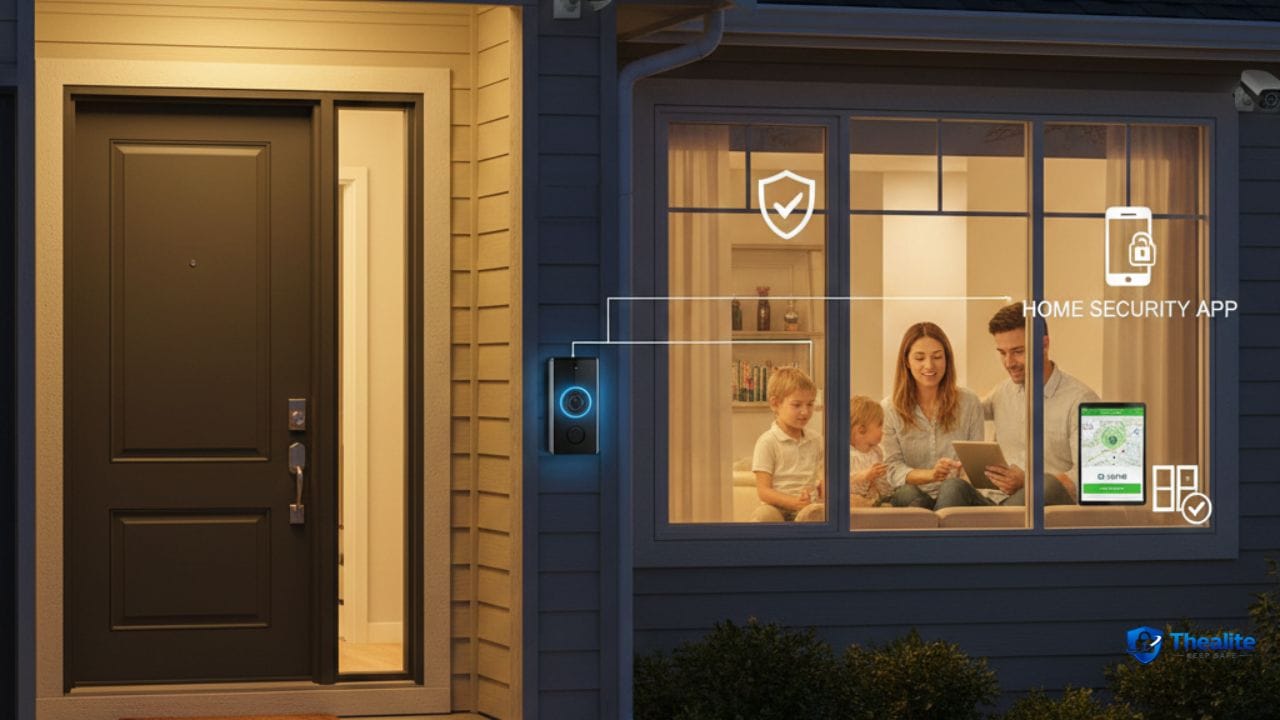
- Add a visible camera or doorbell camera (even a basic one helps).
- Use a lockable delivery box if you receive frequent packages.
5) Protecting Valuables at Home
Home burglars often move fast and grab the easiest high-value items: cash, jewelry, guns, small electronics, and documents. Your job is to make valuables harder to find and harder to carry.
Keep a “valuables map” in your head (not in the open)
Avoid predictable hiding spots like sock drawers, bedroom nightstands, and kitchen junk drawers. Those are the first places searched.
Better storage habits
- Use a quality safe that’s bolted down (or at least too heavy to carry easily).
- Separate valuables: don’t keep cash, jewelry, and documents in one spot.
- Keep high-value jewelry stored when not in use (not on countertops).
Internal reading: how to keep jewelry safe at home • how to keep gold jewelry safe at home • how to keep your money safe • how to keep crypto safe
A note about guns and firearms in the home
If you own firearms, secure storage is a major safety factor—especially with kids in the home. Use a locked safe or approved storage method, and keep ammunition secured separately when possible. Always follow local laws and manufacturer guidance.
6) Document Safety: Prevent Identity Problems Before They Start
Many identity issues start at home: stolen mail, stolen documents, or someone getting access to your personal information. Protecting documents is home security.
What documents should be secured?
- Passports, birth certificates, Social Security cards
- Tax documents and financial statements
- Property records and insurance documents
- Medical records and prescriptions
Best practice storage
- Keep originals in a safe, fire-resistant box, or a bolted safe if possible.
- Keep scanned copies in a secure cloud storage solution and/or encrypted drive.
- Shred documents before discarding (especially anything with account numbers).
Internal reading: how to keep your identity safe online • keep personal information safe online • how to keep your password safe • keep bank account safe online
7) Fire Safety: The Home Risk People Underestimate
Fires move fast. A safe home includes prevention (smoke alarms), detection (alarms that work), and a simple escape plan.
Fire safety essentials
- Test smoke alarms monthly and replace batteries as needed.
- Keep a small fire extinguisher in the kitchen and know how to use it.
- Avoid overloaded power strips and replace damaged cords.
- Practice a simple “two ways out” plan for bedrooms.
8) Weather and Emergency Readiness
Storms, outages, and extreme heat/cold are part of home safety. Being ready reduces panic and prevents injuries.
Basic readiness kit
- Flashlights + batteries (avoid relying only on candles)
- First-aid kit and essential medications
- Phone charger/power bank
- Bottled water and shelf-stable food for short outages
If you have pets, consider reading how to keep pets safe during a tornado and how to keep pets safe in hot weather.
9) Everyday Habits That Quietly Boost Home Security
- Don’t post travel plans publicly in real time.
- Close and lock doors even during ‘quick’ errands.
- Keep ladders and tools stored—don’t provide equipment for break-ins.
- Get to know neighbors; community awareness lowers risk.
- Use strong passwords for Wi‑Fi and smart devices (and update them).
10) If You Think Someone Is Trying to Break In
Your priority is safety, not confrontation. If you suspect someone is attempting entry:
- Move to a secure room (ideally with a lock) and call 911.
- Turn on lights and make noise if it’s safe to do so.
- Do not open the door to “check” outside.
- If you have a security system, trigger the alarm.
Quick Home Safety Checklist (Copy/Paste)
- Deadbolt + reinforced strike plates on exterior doors
- Lock windows; add dowels/pins for sliding doors/windows
- Motion lights at entries; trim hiding-spot landscaping
- Package plan: alerts, lockers, or lockbox
- Safe storage: valuables separated; safe bolted if possible
- Document protection: originals secured + copies backed up
- Smoke alarms tested + simple fire escape plan
- Emergency kit: lights, power, meds, water
FAQs
What is the best way to secure a house from burglars?
Start with door security (deadbolt, strike plate reinforcement), then add lighting and visibility, and finally layer in cameras/alarms if you want. Most burglars look for easy targets.
How can renters keep an apartment safe?
Use portable upgrades: door reinforcement devices (if allowed), window pins/dowels, smart cameras that don’t require drilling, and strong habits like locking up and managing deliveries.
Should you keep a safe at home?
A safe can be very effective when it’s the right size/quality and ideally bolted down. It’s especially useful for documents, jewelry, and backup cash—just avoid predictable placement.
How do you keep your identity safe at home?
Protect mail and documents, shred sensitive papers, and secure your phone and email account. Identity risks often start with physical documents and mail.
What are the most common home safety mistakes?
Leaving doors unlocked during short errands, hiding keys outside, leaving packages visible, using weak Wi‑Fi passwords, and keeping all valuables in one easy-to-find place.
Conclusion
A safer home is built through layers: strong doors, smart habits, good storage, and basic readiness for emergencies. You don’t need to do everything at once—start with the quick checklist, then upgrade the areas that matter most for your home and neighborhood.

As a digital marketer, she has received multiple international awards, including Campaign of the Year at the 2023 European Content Awards and Best Use of Content Marketing at the 2022 Global Search Awards. Nicai holds an MSc in Marketing (First Class Honours) from the UCD Smurfit Graduate Business School and she has also completed the Artificial Intelligence Programme at Oxford University’s Saïd Business School. She is also a contributing writer for publications such as Entrepreneur and Esquire.