People ask “Is Robinhood safe to keep money in?” because Robinhood doesn’t feel like a traditional bank. That’s fair—Robinhood is primarily a brokerage platform, and safety depends on what kind of money you’re talking about: uninvested cash in a sweep program, funds in a spending/cash card product, or money invested in stocks/ETFs/crypto.
This U.S.-focused guide explains the protection you may have (SIPC vs FDIC), what those protections do—and don’t—cover, and simple habits that reduce risk for everyday users.
Quick Answer
For many U.S. users, Robinhood can be a safe place to keep money when you understand where the money is held and what protection applies. Robinhood brokerage accounts are typically covered by SIPC (which helps if a brokerage fails, up to certain limits), while certain cash features may be eligible for FDIC pass-through insurance when your cash is swept to partner banks. However, neither SIPC nor FDIC protects you from investment losses, scams, or crypto price drops. The safest approach is: enable strong security (MFA), keep account recovery secure, and avoid keeping more cash in any one place than you need.
Step 1: Understand the Big Difference—SIPC vs FDIC
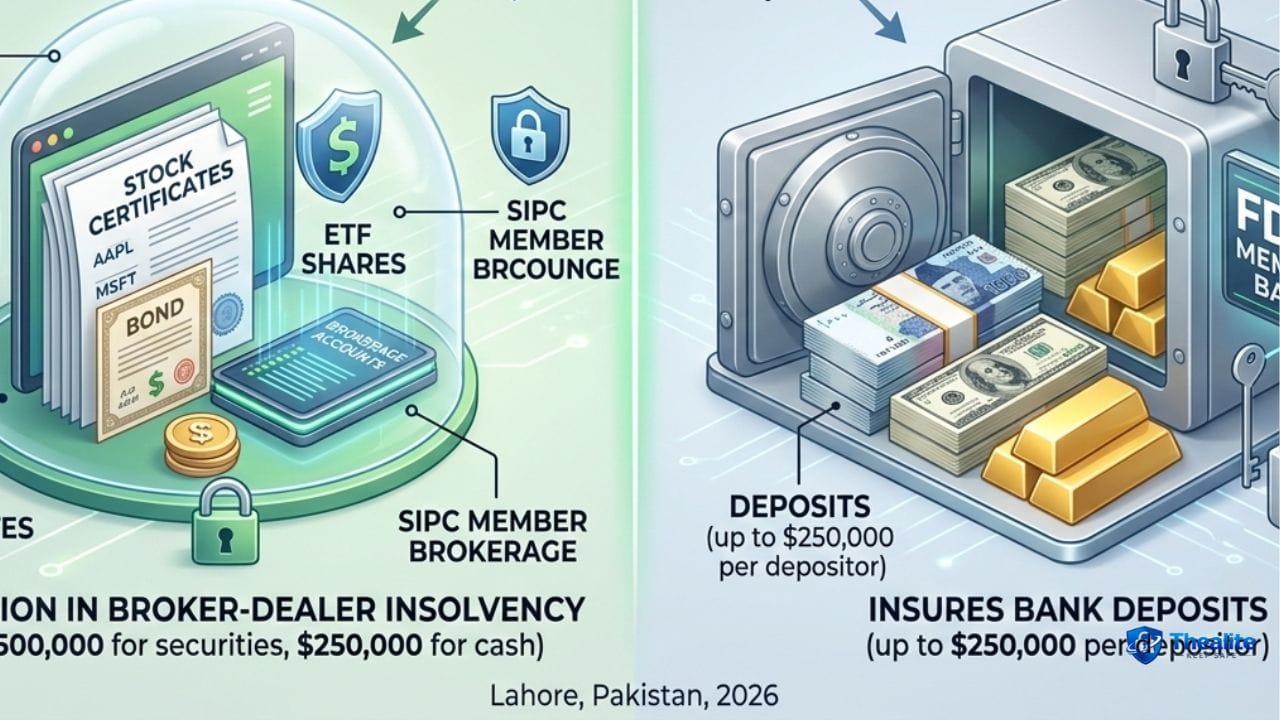
Most confusion comes from mixing up SIPC and FDIC. They protect different things.
SIPC (brokerage protection)
- SIPC protection applies to many U.S. brokerage accounts if the brokerage firm fails.
- It generally covers up to $500,000 per “separate capacity,” including up to $250,000 for cash.
- It’s designed to help customers recover missing securities/cash due to brokerage failure—not market losses.
FDIC (bank deposit protection)
- FDIC insurance applies to deposits held at FDIC-insured banks (checking/savings, and similar deposit accounts).
- FDIC protects against bank failure—not against investment losses.
- With sweep programs, your cash may be moved (“swept”) into partner banks, where it may be eligible for FDIC pass-through insurance.
Key idea
If you’re holding cash in a place that functions like a bank deposit, FDIC matters. If you’re holding money in a brokerage account (including uninvested cash), SIPC may matter. If you’re holding crypto, protection is different and generally does not work like bank insurance.
Step 2: How Robinhood ‘Cash’ Works (Cash Sweep and Cash Products)
Robinhood has multiple products where money can sit. The protection depends on the product and how your funds are held.
A) Uninvested cash in a brokerage account (cash sweep)
Robinhood offers a brokerage cash sweep feature for certain accounts. In general, the idea is that uninvested cash may be swept to program banks to earn interest and to be eligible for FDIC pass-through insurance at those banks (subject to limits and eligibility). Important detail: if you already have deposits at one of the program banks (outside Robinhood), that can affect your total FDIC coverage at that bank.
- FDIC pass-through insurance applies at the program banks (up to FDIC limits per bank, per ownership category).
- You are responsible for monitoring whether your deposits exceed FDIC insurance limits at any one program bank (including deposits outside Robinhood).
- FDIC protection applies to bank failure—not to market losses or app outages.
B) Spending/cash card style products
Some Robinhood cash/spending products may be eligible for FDIC pass-through insurance when funds are held at partner banks, but these products are not the same as a brokerage account. Always verify which entity holds your funds and what protection applies.
C) Money invested in stocks/ETFs/options
Investments can go up or down. SIPC doesn’t protect you from a stock dropping. SIPC is about brokerage failure and missing assets, not performance.
D) Crypto
Crypto safety is its own category. Even if a platform has strong security, crypto prices are volatile and protections are different than bank deposits. If your main concern is “keeping cash safe,” crypto should not be treated like a savings account.
Crypto storage mindset: How to Keep Crypto Safe.
Step 3: What ‘Safe’ Means in Real Life (4 Different Risks)
When people say “safe,” they often mean one of these risks:
- Brokerage/bank failure (insurance and investor protection help here).
- Account takeover (passwords, MFA, phishing, SIM swap).
- Investment risk (markets go down; not insured).
- Operational risk (outages, transfer delays, customer service delays).
If you mainly mean ‘bank-style safety,’ focus on cash held with FDIC coverage (where applicable) and strong account security.
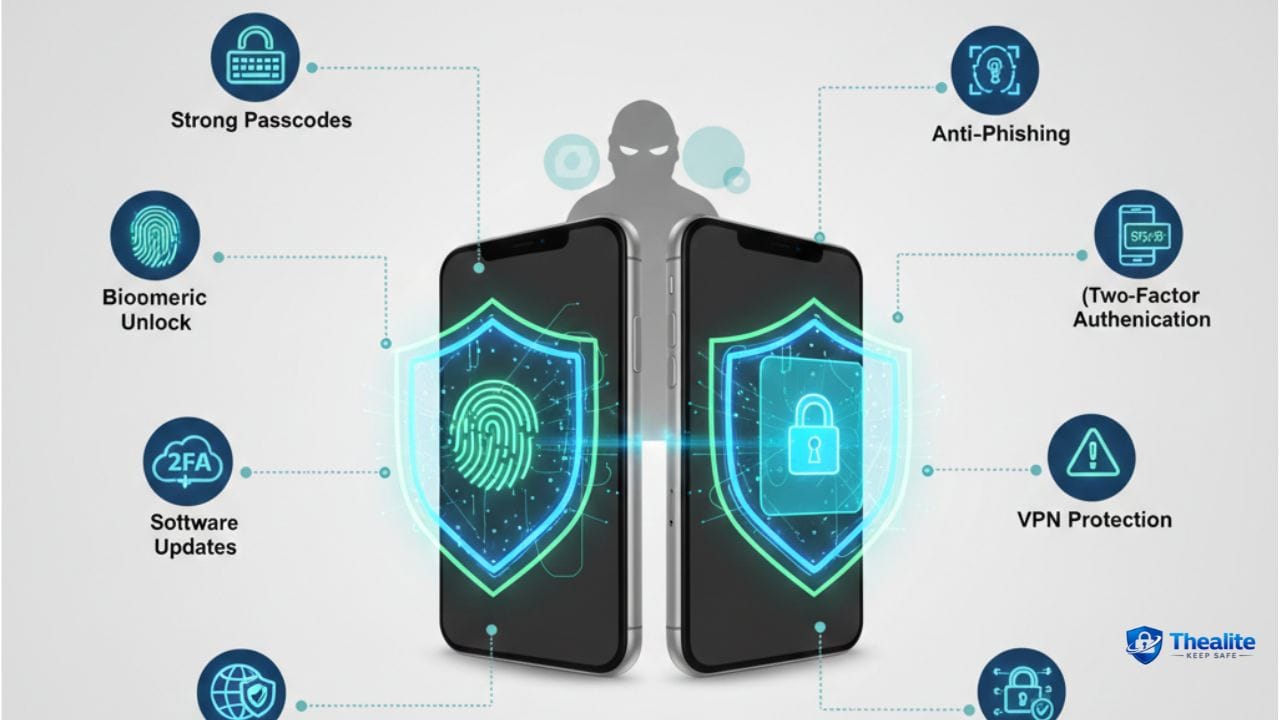
Step 4: How to Make Your Robinhood Account Safer (Best Practices)
No matter what platform you use, account security is usually the biggest real-world risk.
High-impact steps
- Turn on multi-factor authentication (MFA) and save backup codes securely.
- Use a unique, strong password (never reuse it).
- Secure the email linked to your Robinhood account (email is the reset key).
- Use a strong phone passcode and keep your phone updated.
- Be phishing-aware: don’t click login links in random messages; open the app directly.
- Review trusted devices/sessions and remove anything you don’t recognize.
Security reading: How to Keep Your Password Safe • How Can You Keep Personal Information Safe? • How to Keep Confidential Information Safe.
Step 5: Practical Cash Management (How Much Should You Keep There?)
A simple rule: keep only what you need for your plan. If you use Robinhood mainly for investing, you might keep a smaller cash buffer. If you use a cash sweep feature as part of your cash strategy, confirm how coverage works and avoid letting idle cash grow beyond what you intend.
- If your cash is an emergency fund, many people prefer a traditional FDIC-insured bank account or a dedicated cash strategy with clear insurance rules.
- If your cash is “dry powder” for investing, keeping some in a brokerage is common—just understand it’s not exactly the same as a bank savings account.
- Avoid concentrating all your money in one app. Diversification can reduce operational stress (transfer delays, lockouts).
Step 6: Common Mistakes That Make Robinhood (or Any App) Less Safe
- Reusing the same password across apps (one breach leads to account takeover).
- Using SMS-only security and ignoring SIM-swap risk (use stronger MFA when available).
- Leaving large balances without monitoring protection limits and settings.
- Clicking “support” links from DMs/texts and entering login credentials (phishing).
- Ignoring login alerts or new-device notifications.
What to Do If You Think Your Account Is Compromised
Act fast and in the right order:
- Secure your email account first (change password, enable MFA).
- Change your Robinhood password to a new unique one.
- Log out of all devices/sessions where possible and remove unknown devices.
- Review recent activity and transfers; report suspicious activity through official channels.
- Turn on (or increase) alerts and monitoring for banking and logins.
Banking safety steps: How to Keep Bank Account Safe.
Copy/Paste Checklist: Is Robinhood Safe to Keep Money In?
- Know where your money sits (brokerage cash sweep vs spending vs investments)
- Understand protection: SIPC (brokerage failure) vs FDIC (bank deposits at program banks)
- Enable MFA + save backup codes securely
- Use a unique password and secure the email tied to the account
- Turn on login/transaction alerts where available
- Avoid phishing: open the official app; don’t click login links in messages
- Keep only the amount of cash you need; don’t over-concentrate in one app
- If suspicious activity: secure email → change password → revoke sessions → report
FAQs
Is Robinhood FDIC insured?
Robinhood itself isn’t a bank, but certain cash features may be eligible for FDIC pass-through insurance when your cash is held at participating FDIC-insured program banks (subject to limits and eligibility).
Is my Robinhood account protected by SIPC?
Robinhood’s U.S. brokerage entities are typically associated with SIPC coverage for brokerage accounts, which generally covers up to $500,000 per separate capacity (including up to $250,000 for cash) for missing assets due to brokerage failure—not market losses.
Is it safer to keep money in a bank than Robinhood?
If your goal is bank-style deposit safety, a traditional FDIC-insured bank account is the most straightforward. Robinhood may still be a reasonable place for certain cash/investing use cases, but you need to understand which protection applies.
Can I lose money in Robinhood even if it’s ‘protected’?
Yes. Protections like SIPC and FDIC don’t cover investment losses, scams where you authorize transfers, or crypto price drops. They mainly address certain types of institutional failure.
What’s the biggest risk for most people?
Account takeover (phishing, weak passwords, no MFA). Strong login security often reduces risk more than any other single step.
Conclusion
Robinhood can be a safe place to keep money for many U.S. users—especially when you understand the difference between cash held at partner banks (FDIC context) and brokerage accounts (SIPC context). But “safe” also depends on your habits. Turn on MFA, secure your email, avoid phishing, and keep balances aligned with your real needs. If you want maximum simplicity for cash savings, a traditional FDIC-insured bank account may feel more straightforward. For investing and convenience, Robinhood can still fit—as long as you treat it like a financial app that deserves strong security.

As a digital marketer, she has received multiple international awards, including Campaign of the Year at the 2023 European Content Awards and Best Use of Content Marketing at the 2022 Global Search Awards. Nicai holds an MSc in Marketing (First Class Honours) from the UCD Smurfit Graduate Business School and she has also completed the Artificial Intelligence Programme at Oxford University’s Saïd Business School. She is also a contributing writer for publications such as Entrepreneur and Esquire.