Every parent wants the same thing: a child who is safe, confident, and able to make good choices. Child safety isn’t about fear—it’s about systems. Most accidents and risky situations are predictable, which means you can prevent many of them with clear routines, age-appropriate rules, and calm communication.
This U.S.-focused guide brings the biggest safety areas together: home safety, school safety, online safety, stranger safety, car safety, and a simple emergency plan. Use the sections that match your child’s age and your family’s lifestyle.
Quick Answer (The 12 Safety Habits That Matter Most)
- Create predictable routines (pickup plan, bedtime, screen time, check-ins).
- Use age-appropriate supervision (especially around water, cars, and kitchens).
- Teach kids personal-boundary rules and “safe adult” rules.
- Set a family password for pickup changes and emergencies.
- Lock down home hazards (meds, cleaners, firearms, pools, stairs).
- Use correct car seats/seat belts every ride.
- Teach street safety and bus-stop rules early and repeat often.
- Make online safety part of daily life (privacy, messaging, scams).
- Build a bullying response plan and a “safe to tell” culture.
- Keep medical info updated (allergies, meds, emergency contacts).
- Practice what to do in emergencies (fire, storms, separation).
- Model calm safety behavior—kids copy what parents do.
1) Home Safety: Reduce the Big Hazards First
Home is where most kids spend the most time—so small improvements can prevent many injuries.
High-impact home safety checklist
- Lock up medications (including vitamins and gummies).
- Secure cleaning products and chemicals.
- Use childproof locks on dangerous drawers/cabinets for young kids.
- Anchor heavy furniture and TVs to prevent tipping.
- Use stair gates for toddlers and check handrail safety.
- Keep small choking hazards off floors and low tables.
Home checklist resource: How to Keep Your Home Safe.
Firearm safety note (for homes that have them)
If firearms are present, safe storage is critical. Kids are curious and fast. Use locked storage and keep keys/combination secure.
Safe storage guidance: How to Keep a Gun Safe at Home • How to Keep Gun Safe Dry.
2) Car and Transportation Safety
Car rides are everyday events, which makes them easy to underestimate. Make car safety automatic.
Car safety habits
- Use the right car seat/booster for your child’s age/size and install it correctly.
- Buckling happens before the car moves—every trip, even short ones.
- Teach parking-lot rules: hold hands, stay by the car, watch for reversing vehicles.
- Have a pickup and drop-off routine so kids don’t run between cars.
3) School Safety and Pickup Plans
Most school safety issues are routine: traffic, bullying, unauthorized pickup attempts, and communication gaps.
- Keep the authorized pickup list updated.
- Set a family password for pickup changes.
- Teach kids to never leave with someone not on the list—even if the person knows their name.
- Know the school’s emergency notification system.
- Have a backup plan for late pickup or emergencies.
School guide: How to Keep Your Child Safe at School.
4) Stranger Safety and ‘Safe Adult’ Rules
Instead of teaching kids to fear all strangers, teach them simple rules that work in real life.
Teach these decision rules
- If you get separated, stay where you are and look for a safe adult (teacher, store employee, parent with kids).
- Never go anywhere with an adult without parent permission—even if they say it’s an emergency.
- If someone tries to grab you, get loud and move toward people: “I don’t know you!”
- Don’t share personal info (address, school, phone) with strangers.
Deeper guidance: How to Keep Your Child Safe From Predators.
5) Online Safety (Where Modern Risks Often Start)
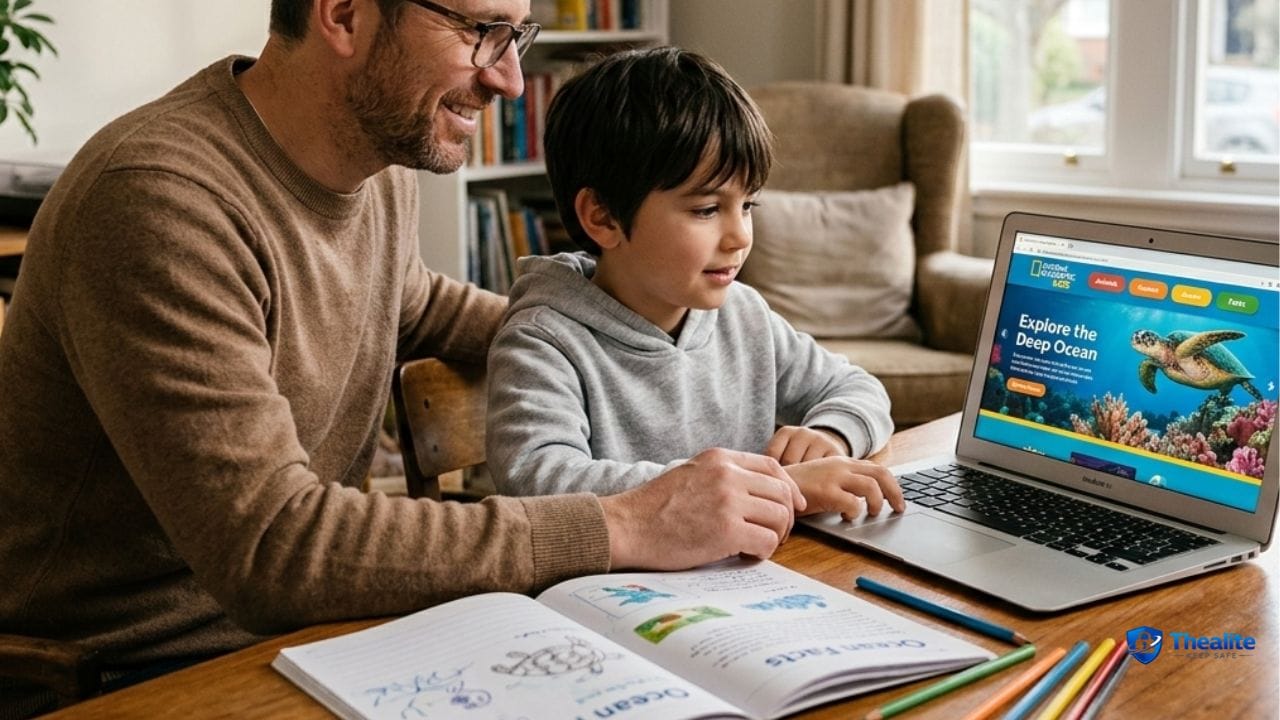
For many kids, online life is school life: chats, apps, group messages, and social media. Safety means privacy settings and messaging rules.
High-impact online rules
- No private messaging with strangers (especially for younger kids).
- Private profiles by default; limit who can message/comment.
- No sharing personal info (school schedule, address, location, routines).
- If anyone asks for photos, secrets, or to move to another app—tell a parent immediately.
- Teach scam awareness: urgent messages, fake prizes, fake support.
Online resources: How to Keep Kids Safe Online • How to Keep Your Kids Safe Online • How to Keep Your Child Safe on Social Media.
6) Bullying and Social Safety
Bullying is common and can happen in-person or online. The key is early reporting and calm escalation.
Parent response plan
- Ask specific questions daily (not just “How was school?”).
- Document incidents (dates, names, screenshots).
- Report to the school and ask for a plan and timeline.
- Teach kids scripts to exit and seek help: “Stop.” “I’m going to a teacher.”
7) Health and Medical Safety
- Keep emergency contacts current.
- Make sure the school knows about allergies and medical needs.
- Teach kids how to ask for help (“I need the nurse.”).
- Store medicines safely at home; follow school medication policies.
8) Emergency Plan (Simple and Repeatable)
You don’t need to turn kids into survival experts. You need a few repeatable actions for common emergencies.
Family emergency basics
- Home fire plan: two exits + family meeting spot outside.
- Separation plan: what kids do if lost in a store (stay put, find safe adult).
- Trusted contact list: two backup adults besides parents.
- Family password for pickup changes and emergencies.
Age-based safety tips (quick guidance)
Safety rules should match your child’s developmental stage.
Toddlers (1–3)
- Constant supervision near water and roads.
- Lock up hazards (meds, cleaners, small objects).
- Stair gates and furniture anchors.
Kids (4–10)
- Practice stranger rules and lost-child plan.
- Teach street-crossing rules and safe bus-stop habits.
- Start online rules early (privacy, no strangers).
Tweens/Teens (11+)
- More independence means stronger communication and online safety boundaries.
- Talk about peer pressure, parties, rides, and safe check-ins.
- MFA/password habits for phones and accounts.
Copy/Paste Checklist: Keep Your Child Safe
- Home hazards locked (meds, cleaners, sharp tools) + furniture anchored
- Family pickup password set + authorized pickup list updated
- Car seat/booster/seat belt used every ride; parking-lot rules practiced
- Stranger safety rules practiced: safe adults, stay put if lost, get loud if grabbed
- Online rules set: privacy on, no strangers in DMs, oversharing off-limits
- Bullying plan: ask daily, document, report, follow up
- Emergency plan practiced: fire exits, meeting spot, trusted contacts
- Safe-to-tell rule: kids won’t be punished for reporting problems
FAQs
What’s the #1 thing I can do to keep my child safe?
Create predictable routines and a safe-to-tell culture. Kids who communicate early avoid many escalating problems.
How do I teach stranger safety without scaring my child?
Use simple rules: stay with trusted adults, never go anywhere with an adult without parent permission, and get help loudly if something feels wrong.
How do I keep my child safe online?
Use privacy settings, restrict messaging, teach them not to share personal info, and keep communication open so they report problems early.
What should I do if my child is bullied?
Document incidents, report to the school, request a plan and timeline, and teach your child scripts to exit and seek help.
Do I need a family emergency password?
It’s a simple, effective tool—especially for pickup changes and situations where someone claims the plan changed.
Conclusion
Keeping your child safe is less about one perfect rule and more about layers: a safer home, consistent routines, smart school pickup plans, strong online boundaries, and a family culture where kids report problems early. Start with the biggest risks in your environment and build simple habits that your child can repeat—those habits are what protect kids day after day.

As a digital marketer, she has received multiple international awards, including Campaign of the Year at the 2023 European Content Awards and Best Use of Content Marketing at the 2022 Global Search Awards. Nicai holds an MSc in Marketing (First Class Honours) from the UCD Smurfit Graduate Business School and she has also completed the Artificial Intelligence Programme at Oxford University’s Saïd Business School. She is also a contributing writer for publications such as Entrepreneur and Esquire.