A gun safe is one of the best tools for responsible firearm ownership—especially if you have kids, visitors, roommates, or valuable firearms. But buying a safe is only step one. Where you place it, how you anchor it, and how you control moisture can make the difference between a safe that truly protects your firearms and a safe that becomes an expensive, movable target.
This U.S.-focused guide covers practical ways to keep a gun safe secure at home: the best places to install it, how to reduce theft risk, how to prevent rust, and daily habits that support family safety without turning your home into a fortress.
Related reading on your site: How to Keep Moisture Out of Gun Safe • Keep Guns From Rusting in Safe • What to Put in Safe to Keep Moisture Out • Can You Keep a Gun Safe in the Garage • Keep Moisture Out of Gun Safe • How to Keep Your Home Safe
Quick Answer (What Actually Matters Most)
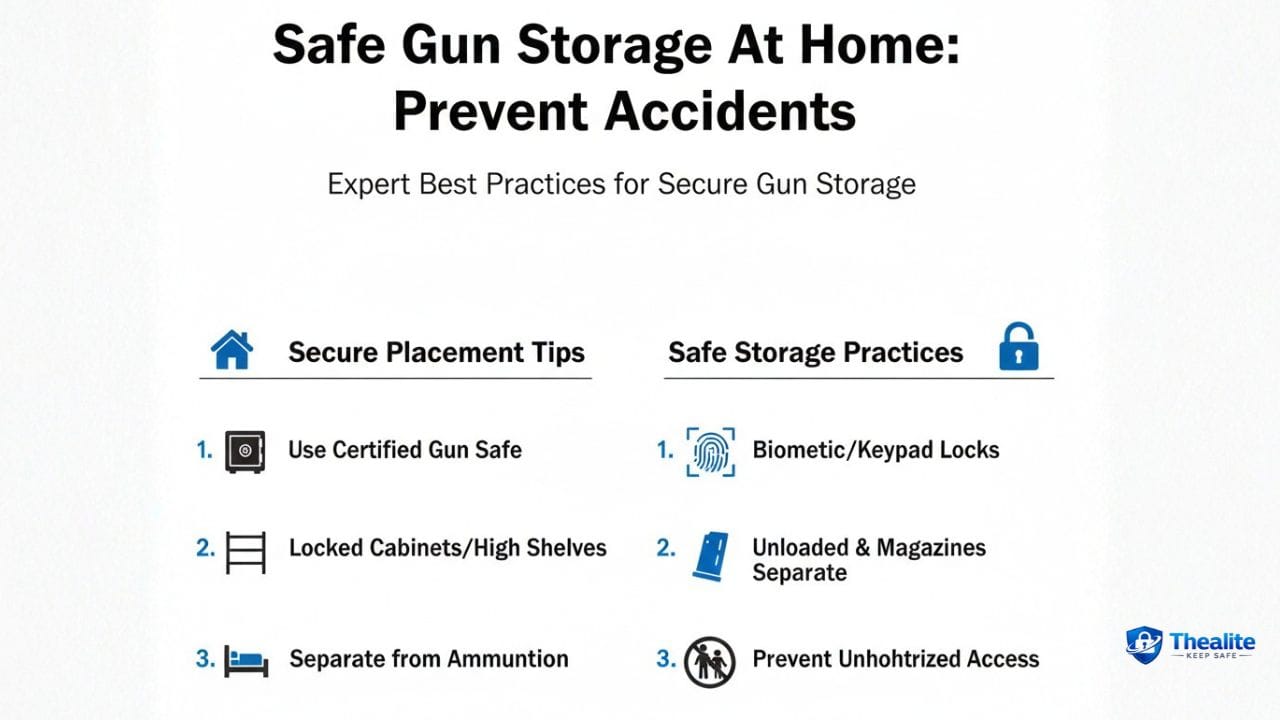
- Choose a low-visibility location inside the home (not the garage if you can avoid it).
- Bolt the safe to the floor and/or wall studs (anchoring is huge).
- Control moisture: use a dehumidifier rod or desiccant + a hygrometer.
- Keep the safe closed and locked; limit who knows it exists.
- Use a responsible access routine (minimize handling, keep keys/combination secure).
Step 1: Pick the Best Location in Your Home
Your safe’s location affects both theft risk and rust risk. A great location is **low visibility, structurally strong, climate stable, and convenient enough that you actually use it**.
Best places for many homes
- Interior closet (master bedroom or office) where temperature is stable.
- A dedicated storage room (low traffic, low visibility).
- Basement room with controlled humidity (only if you manage moisture properly).
Places that are riskier
- Garage (temperature swings, humidity, easier access for burglars).
- Unfinished sheds/outbuildings (high theft + moisture risk).
- Obvious locations like the main bedroom corner (where burglars look first).
If you’re considering a garage installation, read Can You Keep a Gun Safe in the Garage for pros/cons.
Step 2: Anchor the Safe (This Is Non‑Negotiable)
Many gun safes are heavy, but that doesn’t mean they can’t be stolen. A team of thieves can tip, drag, or load a safe into a truck if it isn’t anchored. Anchoring slows theft dramatically and can prevent the ‘take it somewhere else and open it later’ scenario.
Anchoring basics (high-level)
- Bolt the safe to the floor whenever possible (concrete anchors for slab, appropriate hardware for wood subfloors).
- If possible, also secure to wall studs for extra resistance.
- Follow the safe manufacturer’s instructions and use the correct bolt size and washers.
- If you’re not confident, hire a professional installer—bad anchoring can be worse than none.
Step 3: Reduce Visibility (A Hidden Safe Is a Safer Safe)
Most burglars are in and out fast. The less they know your safe exists, the better. Visibility is an underrated security factor.
Simple concealment strategies
- Place the safe behind closet doors or cabinetry (where feasible).
- Avoid telling casual friends or contractors about the safe.
- Don’t post pictures of your safe or firearms online.
- Keep delivery/installation discreet when possible.
Step 4: Control Moisture to Prevent Rust
Rust is one of the most common long-term problems in gun safes—especially in humid climates or basements/garages. Even if your safe is secure from burglars, humidity can quietly ruin firearms and important documents stored inside.
The goal: stable humidity
A simple rule: keep humidity controlled enough that condensation doesn’t form. Many owners use a combination of tools.
Moisture control tools that help
- Dehumidifier rod (heats air slightly to reduce condensation).
- Desiccant packs or rechargeable silica canisters.
- Hygrometer (humidity gauge) inside the safe so you’re not guessing.
- Regular safe-opening/inspection routines (especially after seasonal changes).
Deep dive resources: How to Keep Moisture Out of Gun Safe • What to Put in Safe to Keep Moisture Out • Keep Guns From Rusting in Safe.
Step 5: Use Safe Storage Habits (Family and Visitor Safety)
A safe isn’t only about thieves—it’s about preventing access by children, teens, and visitors who shouldn’t handle firearms.
Key habits that matter
- Keep the safe locked whenever it’s not actively being accessed.
- Do not share the code widely; limit to responsible adults only.
- Don’t store the key next to the safe (common mistake).
- Create a routine for returning firearms to the safe immediately after use.
If you have kids in the home
Kids are curious. Even well-behaved kids can explore. The safest approach is layers: locked safe + supervised access + education.
- Teach kids to never touch a firearm and to tell an adult immediately if they see one.
- Avoid ‘showing off’ the safe code or where keys are kept.
- Consider additional locks for any firearm not inside the safe.
Step 6: Think About Fire Protection and Important Documents
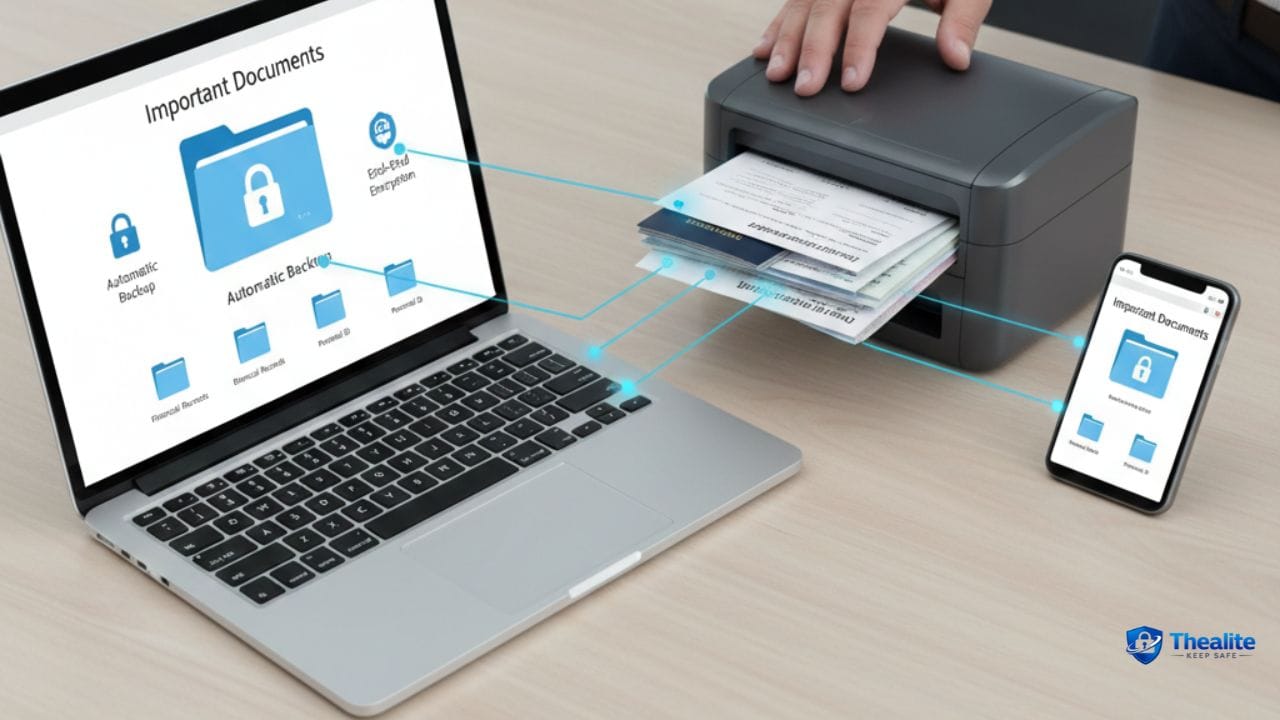
Many gun safes provide some fire resistance, but not all. If you store documents (passports, birth certificates, deeds), use a fire-rated document bag inside the safe for extra protection.
Related document storage: How to Keep Important Documents Safe at Home and Keep Important Documents Safe Online.
Step 7: Maintain the Safe and Your Inventory
A well-maintained safe is easier to use and easier to trust. It also helps with insurance and recovery if something is stolen.
Maintenance checklist
- Test the lock and handle periodically (don’t wait for an emergency).
- Replace batteries in electronic locks on a schedule (and keep spares).
- Check humidity readings and refresh desiccant as needed.
- Inspect firearms for rust spots and wipe down metal surfaces when necessary.
- Keep an inventory list and photos stored separately from the safe.
Common Mistakes That Make Gun Safes Less Secure
- Not bolting the safe down
- Putting the safe in a garage without moisture control
- Telling too many people about it
- Storing keys/combinations in obvious places
- Leaving the safe open “just for a minute”
- Ignoring humidity until rust appears
Gun Safe at Home Checklist (Copy/Paste)
- Choose low-visibility, climate-stable location (avoid garage if possible)
- Bolt safe to floor + studs when possible
- Add moisture control: dehumidifier rod/desiccant + hygrometer
- Keep locked at all times; limit code access
- Don’t store keys next to safe; keep them secured
- Use fire-rated document bag for important papers
- Maintain: battery schedule, humidity checks, inventory photos stored elsewhere
FAQs
Where is the best place to put a gun safe at home?
A low-visibility, climate-stable interior space—like a closet or dedicated room—is often best. Garages are riskier due to moisture and easier burglar access.
Do I really need to bolt down a gun safe?
Yes. Even heavy safes can be moved with leverage or a dolly. Anchoring makes theft much harder.
How do I prevent rust inside a gun safe?
Control humidity with a dehumidifier rod or desiccant, and monitor it with a hygrometer. Inspect firearms periodically and wipe down metal surfaces as needed.
Is it okay to keep a gun safe in the garage?
It can be, but it’s usually less ideal due to humidity and temperature swings. If you do, you must manage moisture and anchor the safe securely.
What should I store in a gun safe besides guns?
Many people store ammo (when appropriate), important documents in a fire-rated bag, and valuables. Just ensure humidity is controlled for anything sensitive.
Conclusion
To keep a gun safe secure at home, focus on the big three: **placement, anchoring, and moisture control**. Choose a low-visibility, climate-stable location, bolt the safe down, and keep humidity managed so rust doesn’t quietly damage your firearms. Add smart habits—limited code access, consistent locking, and regular checks—and your safe will do what it’s meant to do: protect your firearms, your family, and your peace of mind.

As a digital marketer, she has received multiple international awards, including Campaign of the Year at the 2023 European Content Awards and Best Use of Content Marketing at the 2022 Global Search Awards. Nicai holds an MSc in Marketing (First Class Honours) from the UCD Smurfit Graduate Business School and she has also completed the Artificial Intelligence Programme at Oxford University’s Saïd Business School. She is also a contributing writer for publications such as Entrepreneur and Esquire.