Responsible ownership begins with a commitment to secure storage. When you bring a firearm into your home, you take on the serious duty of ensuring it never falls into the wrong hands. Proper storage is about more than just theft prevention; it is about protecting your curious children, unauthorized visitors, and even the mechanical integrity of the equipment itself. Just as you would research how to keep your identity safe online to prevent digital intrusions, you must apply the same level of diligence to the physical security of your household.
Why Responsible Gun Storage Matters
The primary goal of a gun safe is to create a reliable barrier between a weapon and anyone who is not trained or authorized to use it. A secure safe prevents tragic accidents involving children and ensures that if a burglar enters your home, they cannot use your own property against you or steal it for further crimes. Beyond safety, a safe acts as a controlled environment that shields your investment from fire, flood, and humidity.
How to Keep Gun Safe but Accessible
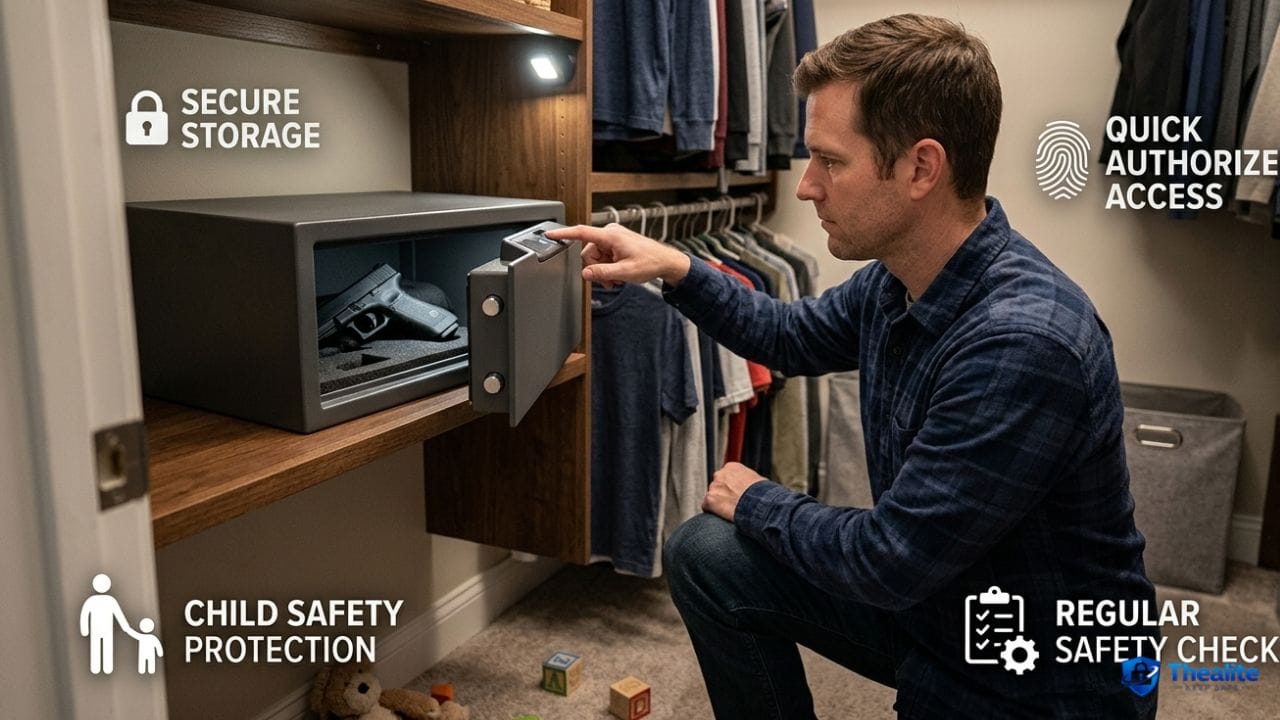
One of the biggest challenges for owners is finding the balance between security and readiness. If a safe is too difficult to open in an emergency, it may feel impractical, but if it is too easy to access, it isn’t secure. Learning how to keep gun safe but accessible involves choosing the right technology. Biometric scanners (fingerprint readers) and rapid-entry electronic keypads allow an authorized adult to open the safe in seconds, even in total darkness, while remaining impenetrable to others.
Quick-Access Safe vs. Full-Size Safe
Many homeowners utilize a two-tier storage system. A small, quick-access “bedside” safe is designed for a single item and immediate availability. Conversely, a full-size heavy-duty safe is better for long-term storage of multiple items, ammunition, and other valuables safe at home. Modern quick-access safes often feature RFID tags or “no-look” buttons that provide the perfect solution for those wondering how to keep gun safe but accessible without compromising the safety of the household.
Where to Keep Gun Safe
Deciding where to keep gun safe units depends on the layout of your home and your specific needs. The most common location is the master bedroom, usually tucked inside a closet or bolted to a nightstand. This keeps the safe close to the owner but out of the direct line of sight of visitors or children passing by. If you have a large collection, a basement or a dedicated home office may be more appropriate, provided the floor can support the significant weight of a large steel safe.
Where Not to Place a Gun Safe
Avoid placing your safe in high-traffic areas where it is visible to anyone entering the home, such as a foyer or a living room. You should also avoid locations with extreme temperature fluctuations or high moisture, such as a garage or an uninsulated shed. If you must store it in a basement, make sure the safe is elevated off the concrete floor to prevent rust and consider the proximity to your cash safe at home to ensure all your assets are grouped in a secure, climate-controlled zone.
Child Safety and Unauthorized Access Prevention
If there are children in your home, “hiding” a gun is never enough. Children are naturally curious and often find things adults think are well-hidden. A physical lock is the only way to ensure child safety. Educate your children about the dangers of firearms, but rely on your safe’s steel and locking mechanism to do the heavy lifting. Always ensure that keys or backup codes are never left in places where a child could find them, such as a desk drawer or on top of a kitchen cabinet.
Humidity, Rust, and Protecting the Safe Contents
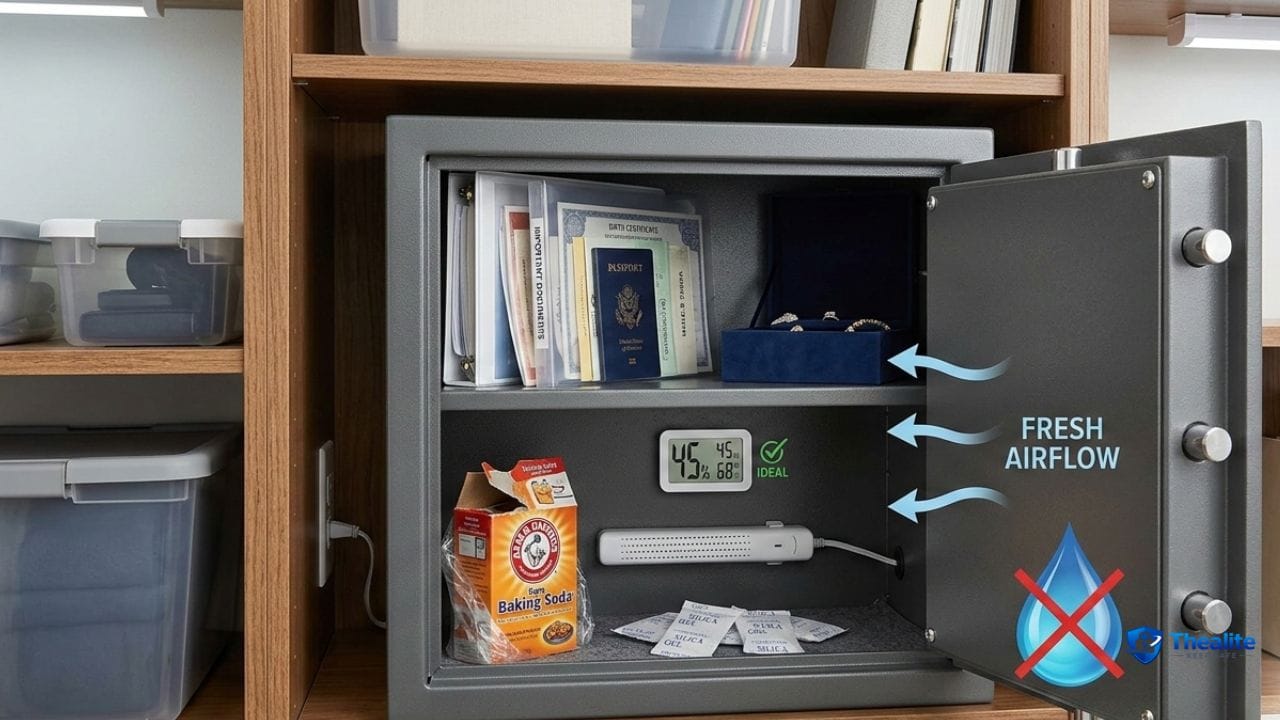
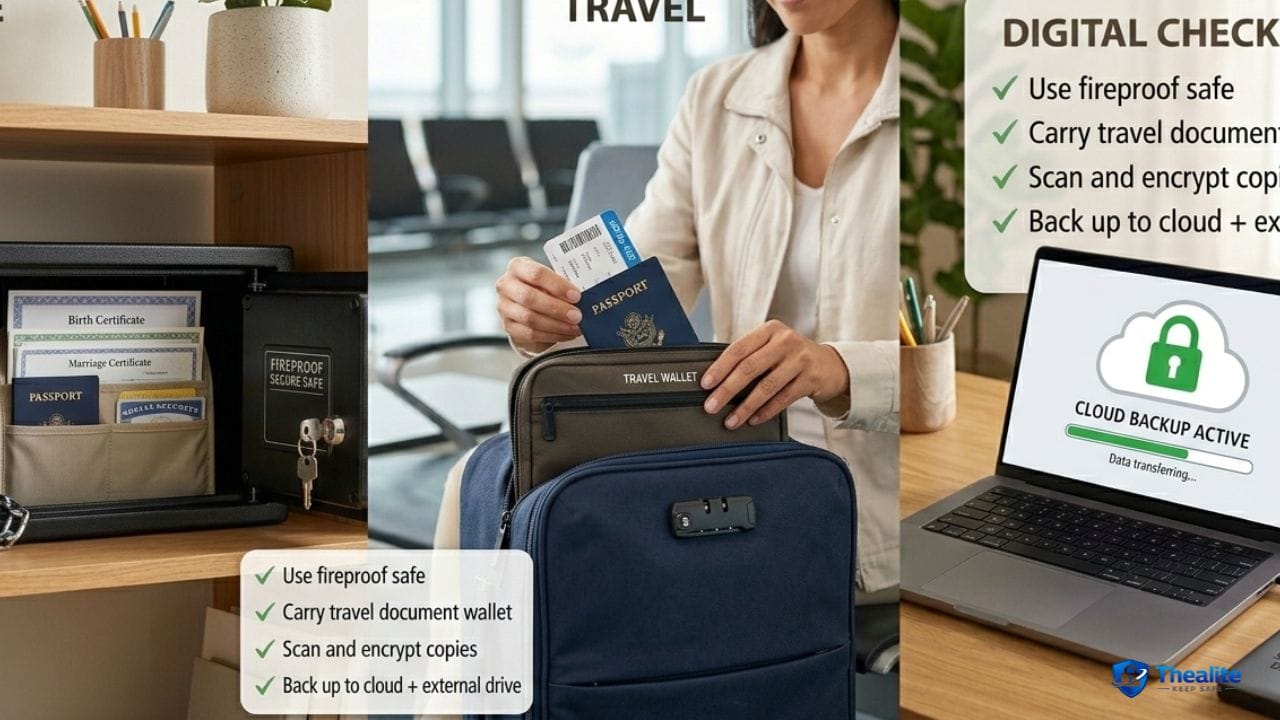
Steel boxes trap air, and if that air is humid, it will lead to rust and corrosion on metal surfaces and stocks. To protect your equipment, you must understand how to keep moisture out of a safe. This is usually achieved using desiccant packs or an electric dehumidifier rod. Maintaining a dry environment is also beneficial if you use the extra space in your safe to learn how to keep important documents safe at home, as dampness can ruin paper just as easily as it ruins metal.
Common Mistakes to Avoid
- Not Bolting It Down: Small safes are easy for a thief to carry away to open later. Always bolt your safe to the floor or a heavy piece of furniture.
- Using the Factory Code: Never leave the safe on its default “1-2-3-4” code. Change it immediately upon installation.
- Forgetting Battery Checks: Electronic safes require power. Set a reminder to change the batteries once a year, even if they don’t seem low.
- Leaving the Safe Open: It sounds obvious, but many accidents happen when an owner gets distracted and leaves the safe door ajar “just for a minute.”
Frequently Asked Questions
How to keep gun safe but accessible?
The best way to keep a gun safe but accessible is to use a quick-access biometric or electronic keypad safe. These allow authorized users to gain entry in seconds via fingerprint or code while keeping the contents secure from children and thieves.
Where to keep gun safe?
A gun safe should be kept in a discreet, low-traffic area such as a master bedroom closet or a home office. It should be bolted to the floor or wall and kept away from high-moisture areas like garages or bathrooms.
Should a gun safe be bolted down?
Yes, bolting a safe down is crucial. It prevents thieves from simply carrying the entire safe away to open it elsewhere and also prevents tall, heavy safes from tipping over and causing injury.
Is a bedroom closet a good place for a gun safe?
Yes, a bedroom closet is one of the best locations. It provides a level of concealment from visitors and allows for quick access by the homeowner during the night if necessary.
How do you keep moisture out of a gun safe?
Use a dehumidifier rod or silica gel desiccant packs inside the safe to absorb moisture. This prevents rust and corrosion on firearms and keeps any stored paperwork from becoming damp.
Should a gun safe be hidden or visible?
A gun safe should ideally be hidden or at least kept out of plain sight. You do not want to advertise the presence of valuable items to every guest or service worker who enters your home.
What type of lock is best for a gun safe?
Biometric locks are excellent for speed and ease of use. Electronic keypads are also highly reliable. Traditional mechanical dial locks are the most durable over decades but are much slower to open in an emergency.
How often should you check a gun safe?
You should check your safe at least once every few months to inspect for signs of moisture, verify that the lock is functioning smoothly, and ensure that batteries are in good condition.

As a digital marketer, she has received multiple international awards, including Campaign of the Year at the 2023 European Content Awards and Best Use of Content Marketing at the 2022 Global Search Awards. Nicai holds an MSc in Marketing (First Class Honours) from the UCD Smurfit Graduate Business School and she has also completed the Artificial Intelligence Programme at Oxford University’s Saïd Business School. She is also a contributing writer for publications such as Entrepreneur and Esquire.