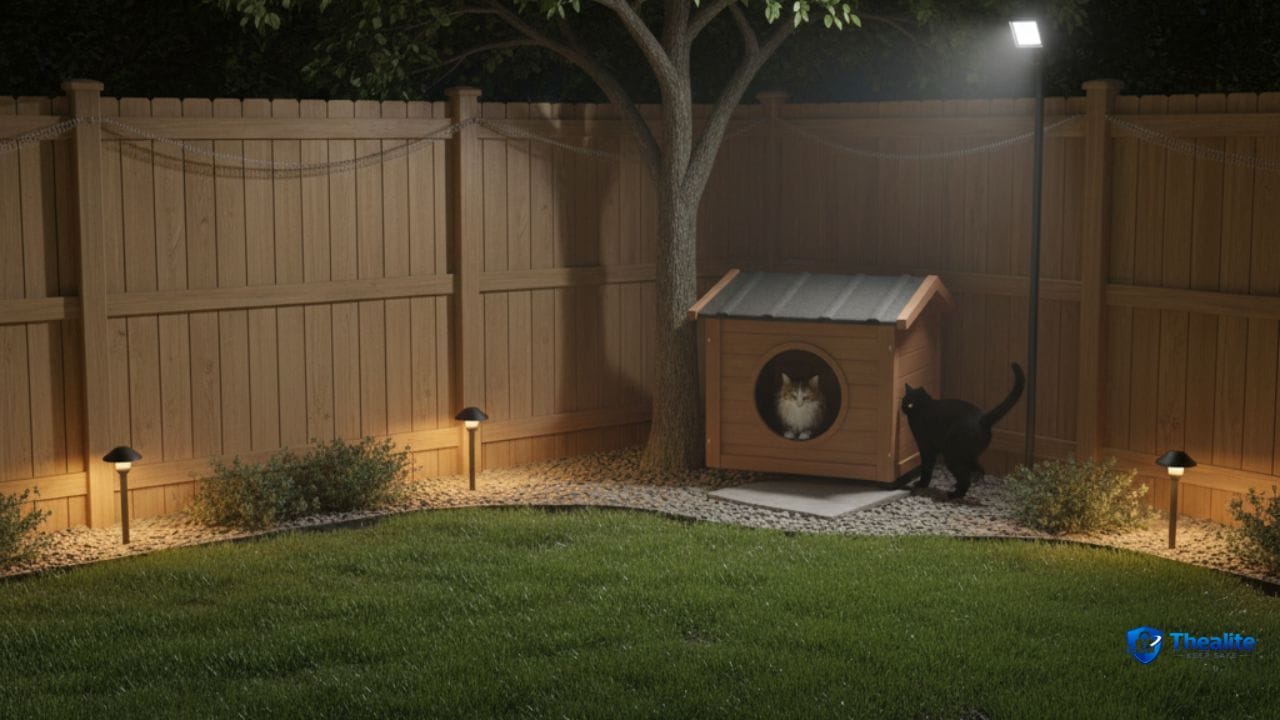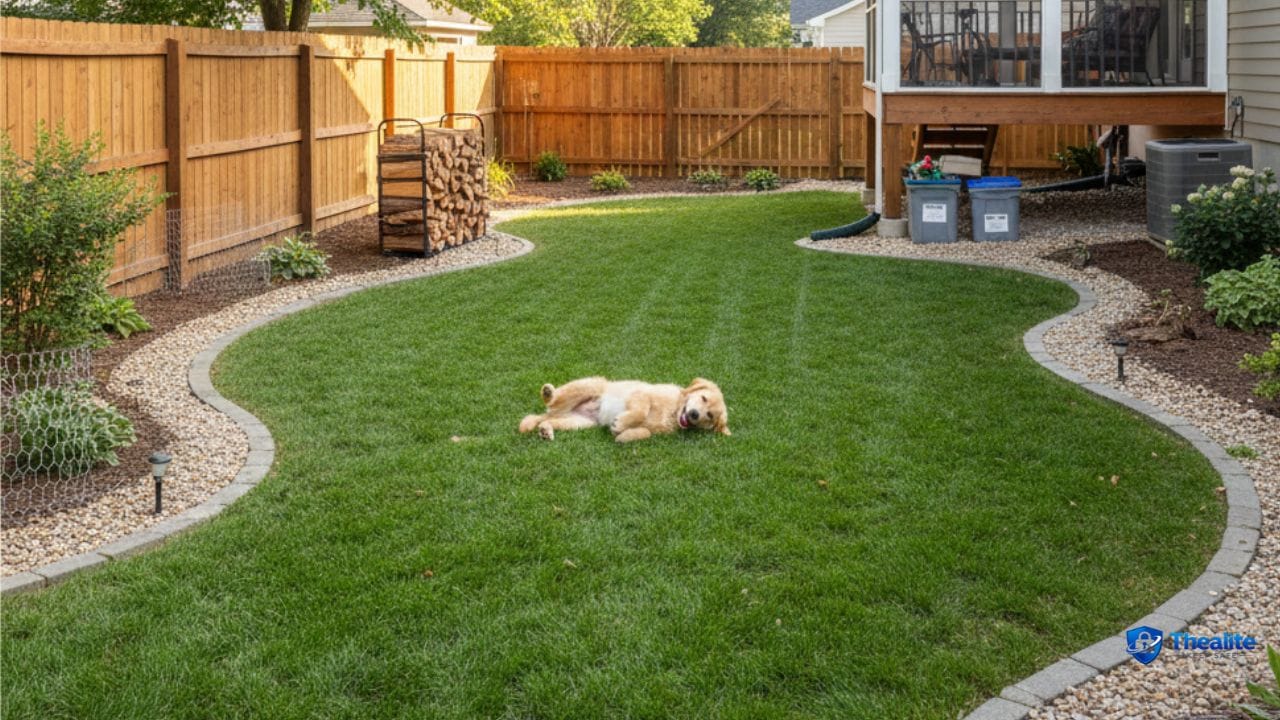
Finding a snake in your yard can be unsettling—especially if you have dogs, cats, or kids who love to explore. The good news is that most snakes don’t want to mess with you or your pets. They show up because your yard offers what they need: shade, water, hiding spots, and food (like rodents, frogs, or insects).
This guide focuses on pet-safe, humane strategies that work in many parts of the United States. You’ll learn what attracts snakes, how to make your yard less appealing, what snake deterrents are safe (and which ones to avoid), and what to do if your pet encounters a snake.
Related reading on your site: Keep Skunks Out of Yard Safe for Dogs • How to Keep Pets Safe in Hot Weather • How to Keep Outdoor Cats Safe
Quick Answer: The Best Pet-Safe Snake Prevention
If you want the fastest, most effective approach that’s safe for pets, focus on these four actions:
1) Remove hiding places (brush piles, tall grass, clutter, gaps under sheds)
2) Reduce food sources (rodent control, clean up bird seed and pet food)
3) Create barriers (snake-proof fencing around play areas)
4) Supervise pets in high-risk seasons and times (warm evenings, after rain)
Most “snake repellents” are less reliable than good yard hygiene and barriers—and some are unsafe for pets.
First: Know What You’re Dealing With (Without Taking Risks)
The U.S. has both non-venomous and venomous snakes. You don’t need to become a snake expert, but you should treat any unknown snake as potentially venomous. Do not attempt to handle or kill it. Keeping distance is the safest move.
When to be extra cautious
- Warm months (spring through early fall in many areas).
- After rain (frogs and rodents become active, drawing snakes).
- Dusk and dawn (many species hunt during cooler hours).
- Rocky landscaping, wood piles, and tall grass zones.
What Attracts Snakes to a Yard
Snakes aren’t coming for your pets—they’re coming for the yard conditions. Remove the attractions, and snake sightings often drop.
Top snake magnets
- Rodents (mice, rats, voles) and bird seed spills
- Standing water or damp areas (irrigation leaks, ponds)
- Dense cover (tall grass, thick groundcover, ivy, brush piles)
- Rock walls, stacked stones, and decorative boulders with gaps
- Wood piles and scrap materials
- Gaps under sheds, decks, porches, and AC slabs
Step 1: Make Your Yard Less “Hidable” (Most Effective)
Snakes survive by staying hidden. If they can’t move through your yard safely under cover, they’re less likely to stick around.
Yard cleanup checklist
- Mow regularly and keep grass short, especially along fence lines.
- Trim shrubs so you can see under them (raise the canopy).
- Remove brush piles, leaf piles, and yard debris.
- Store lumber, pipes, and garden materials off the ground on racks.
- Keep compost and mulch areas tidy and not overly thick.
Fix ‘under-structure’ shelter
- Seal gaps under sheds and decks with hardware cloth (1/4-inch mesh works well).
- Fill cracks around foundations and utility penetrations.
- Keep crawlspace vents screened and intact.
Step 2: Reduce Rodents (Snakes Follow Food)
If your yard supports rodents, snakes may follow. Rodent control is one of the biggest “hidden” snake deterrents.
Pet-safe rodent reduction habits
- Don’t leave pet food outside overnight.
- Use sealed containers for bird seed; clean up spilled seed under feeders.
- Keep trash cans tightly lidded.
- Pick up fallen fruit from trees quickly.
- Store animal feed in rodent-proof bins.
Important: Avoid loose rodent poison bait in pet areas. It can harm pets directly and can also poison wildlife that eat affected rodents. If you need professional help, consider a licensed pest control company that can use pet-safe placement strategies.
Step 3: Create a Snake-Proof Zone for Pets
If your dog or cat spends time outdoors, create at least one low-risk area—like a fenced play/run near the house. This is especially helpful in regions where venomous snakes are common.
How snake fencing works (the basics)
Snake fences work by removing gaps and making climbing difficult. A typical snake barrier uses fine mesh and is installed so snakes can’t slip through or under it.
Snake fence features that usually help
- Fine mesh (hardware cloth / snake-proof mesh) with no large openings.
- Fence height around 3–4 feet for many situations (local conditions vary).
- Bottom edge buried a few inches or bent outward to prevent slipping under.
- Gate gaps sealed (gates are common failure points).
- If possible, angle the fence outward slightly to reduce climbing.
Even if you don’t fence your entire yard, fencing a smaller “pet zone” can dramatically reduce risk.
Step 4: Water and Landscaping Adjustments
Snakes may visit yards with water sources—especially in dry regions. You don’t need to remove all water, but you should reduce standing water and damp hiding places.
Smart changes
- Fix leaking spigots and irrigation lines.
- Keep sprinkler schedules reasonable (avoid constant damp zones).
- Trim plants around ponds and water features to reduce cover.
- Avoid large rock piles and open gaps in decorative stone near pet areas.
Step 5: Pet-Safe Snake Deterrents (What Works vs What’s Risky)
People search for “snake repellents,” but most store-bought repellent granules have mixed results. The most reliable deterrents are habitat changes and barriers. If you try repellents, prioritize pet safety and avoid anything that could irritate paws or be ingested.
What’s generally safer (but not guaranteed)
- Motion-activated sprinklers (startle animals and reduce loitering).
- Keeping the yard open/visible (no cover).
- Professional habitat modification + exclusion work (best long-term).
What to avoid around pets
- Strong essential oils or concentrated chemicals spread on the ground (can irritate pets and may be toxic if licked).
- Mothballs (toxic to pets and wildlife).
- Glue traps (cruel and dangerous; pets can get stuck).
- Attempting DIY snake “poison” or lethal methods (risk to pets and illegal in some places).
Step 6: Train and Supervise Pets (Simple, High Impact)
You can’t control wildlife perfectly, but you can control pet behavior and exposure.
Dog safety tips
- Keep dogs on a leash in brushy areas or near wood piles.
- Teach “leave it” and practice it regularly.
- Avoid letting dogs explore holes, rock crevices, or dense brush.
- Walk the yard before letting pets out in the evening during warm seasons.
Cat safety tips
- Outdoor cats are higher risk around wildlife; supervise if possible.
- Keep cats away from brush piles and tall grass.
- Consider a catio or enclosed run as a safer option.
Related: How to Keep Outdoor Cats Safe • How to Keep Pets Safe During a Tornado • How to Keep Dog Safe in Car
What to Do If You See a Snake in Your Yard
If you see a snake, the safest response is calm and boring: create distance, bring pets inside, and let the snake move on.
Safe steps
- Bring kids and pets inside immediately.
- Keep eyes on the snake from a safe distance (don’t corner it).
- Do not attempt to handle, hit, or trap it.
- If it’s near the house repeatedly, contact a local wildlife removal professional.
If You Think Your Pet Was Bitten
Snake bites are medical emergencies for pets—especially if venomous snakes are possible in your region.
What to do right away
- Keep your pet calm and limit movement (carry them if you can).
- Call your vet or an emergency animal hospital immediately and go there.
- Do not try to suck out venom or cut the wound.
- Do not apply a tourniquet.
- If safe, take a photo of the snake from a distance for identification—but don’t risk another bite.
Fast treatment can make a major difference, so focus on getting professional care quickly.
Common Mistakes That Make Snake Problems Worse
- Leaving tall grass and brush along fences (perfect travel lanes).
- Keeping wood piles directly on the ground near the house.
- Overwatering landscaping and creating constant damp hiding spots.
- Letting bird seed accumulate (rodents → snakes).
- Using mothballs, glue traps, or harsh chemicals (dangerous to pets).
- Trying to kill snakes (increases bite risk and can be illegal).
Pet-Safe Snake Prevention Checklist (Copy/Paste)
- Mow and trim: keep grass short, reduce dense ground cover
- Remove clutter: brush piles, leaf piles, scrap materials, wood on the ground
- Seal gaps: under sheds/decks with hardware cloth
- Reduce rodents: clean bird seed, store feed in sealed bins, no pet food outside overnight
- Create a fenced pet zone with fine mesh and sealed gaps
- Use motion sprinklers as extra deterrent (optional)
- Supervise pets in warm seasons; teach “leave it”
FAQs
What is the best pet-safe way to keep snakes out of a yard?
The most reliable pet-safe approach is habitat control (remove hiding spots, keep grass short), reduce rodents, and create a snake-proof fenced zone for pets. Repellents are less consistent.
Do snake repellents work?
Some products may reduce activity in limited situations, but results are mixed. Yard cleanup, rodent control, and barriers are usually more effective long-term.
Is it safe to use mothballs to repel snakes?
No. Mothballs can be toxic to pets and wildlife and are not recommended for yard snake control.
What attracts snakes to my yard?
Snakes are attracted to cover (tall grass, brush), moisture, and prey (rodents, frogs, insects). Remove these, and snakes are less likely to stay.
What should I do if I see a snake near my dog?
Bring your dog inside immediately, keep distance, and don’t try to handle the snake. If the snake is repeatedly near your home, contact local wildlife removal.
Conclusion
To keep snakes out of your yard safely for pets, focus on what actually works: remove hiding places, cut off food sources, and build a protected zone where pets play. Most snakes are just passing through. When your yard isn’t a comfortable place to hide and hunt, they’re far more likely to move along—without you needing harsh chemicals or risky DIY tactics.

As a digital marketer, she has received multiple international awards, including Campaign of the Year at the 2023 European Content Awards and Best Use of Content Marketing at the 2022 Global Search Awards. Nicai holds an MSc in Marketing (First Class Honours) from the UCD Smurfit Graduate Business School and she has also completed the Artificial Intelligence Programme at Oxford University’s Saïd Business School. She is also a contributing writer for publications such as Entrepreneur and Esquire.