Christmas lights make your home feel warm and festive—but any electrical device that runs unattended for hours has some risk. So the common question is understandable: is it safe to keep Christmas lights on all night?
For most U.S. households, the safest practical advice is simple: turn holiday lights off before you go to bed and anytime you leave the house. Modern lights (especially LEDs) are generally cooler and safer than older incandescent strings, but “safer” is not the same as “risk-free.” Most holiday-light problems come from predictable issues: damaged cords, overloaded outlets, cheap unlisted products, and lights placed on flammable materials.
Quick Answer
It’s not recommended to leave Christmas lights on all night. The safest approach is to turn them off when you go to bed (and when you’re away), because electrical shorts and overheating can start fires. If you want your lights to run late, use a rated timer so they shut off automatically. LED lights reduce heat and power draw, but damaged cords, overloaded outlets, or unsafe setups can still create fire risk.
Why Leaving Lights on Overnight Can Be Risky
Holiday lights are usually safe when used correctly, but overnight use increases the time window for a problem to occur and go unnoticed. Here are the most common causes of holiday light fires and electrical issues:
- Damaged cords or cracked insulation (can short out).
- Loose plugs and worn sockets (heat buildup at connections).
- Overloading outlets or power strips (especially “daisy-chaining” strips/extension cords).
- Using indoor-rated lights outdoors (moisture + electricity).
- Wrapping lights around dry real trees or flammable décor without monitoring.
- Cheap or non-certified light sets that don’t meet safety standards.
LED vs Incandescent: Does It Change Overnight Safety?
Yes—LEDs generally run cooler and use less electricity than old-style incandescent bulbs, which can reduce risk. But risk does not go to zero. Even LED strings can fail, short, or overheat at plugs or damaged sections.
A simple way to think about it:
- LEDs: cooler and lower power draw → safer baseline.
- Incandescent/older strings: hotter and higher power draw → higher risk, especially if old or damaged.
- Either type: if the cord is damaged or the outlet is overloaded, overnight is not a good idea.
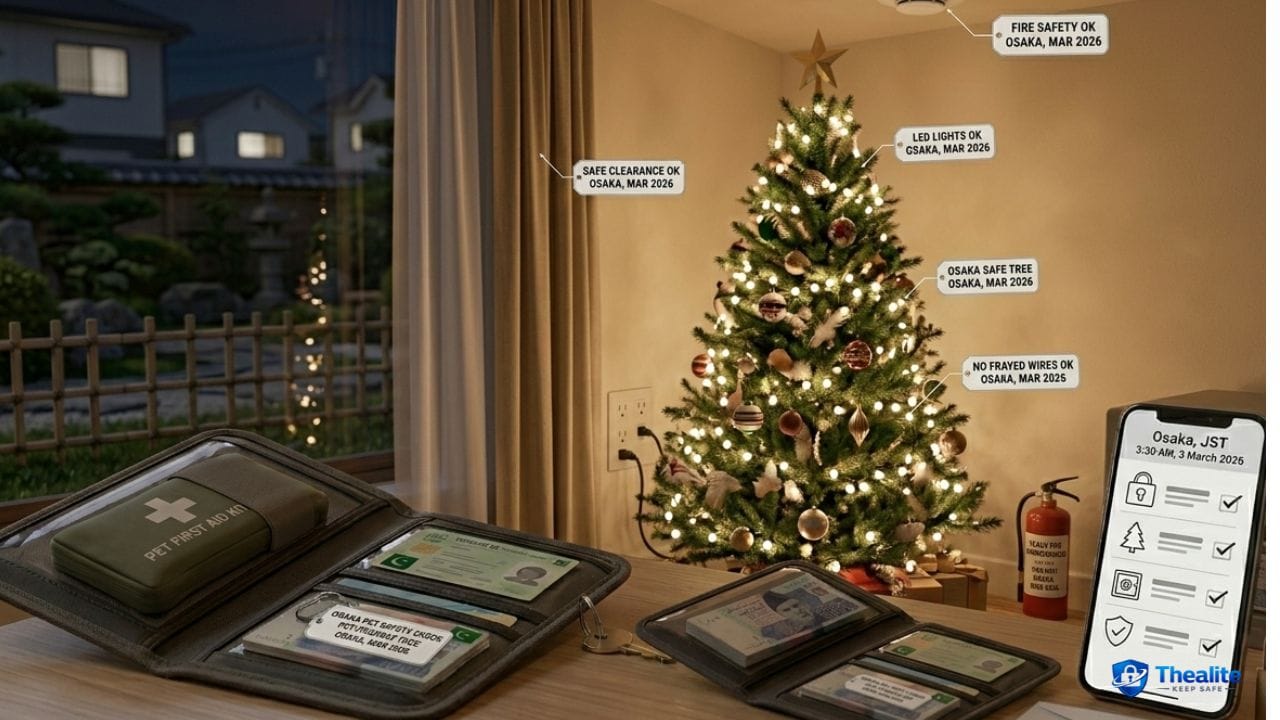
Indoor Christmas Tree Lights: The Highest-Risk Setup
If you have a real tree, the risk increases as the tree dries out over time. If you want to reduce risk, prioritize these habits:
- Turn tree lights off before bed and when leaving home.
- Keep the tree well-watered (real trees).
- Keep lights away from paper décor and flammable materials.
- Avoid using old or damaged light strings.
Outdoor Lights: Weather + Cords + Connections
Outdoor displays add extra variables: rain, snow, condensation, and temperature swings. Outdoor lights should be rated for outdoor use.
- Use outdoor-rated lights and outdoor-rated extension cords.
- Use a GFCI-protected outlet when possible.
- Keep plugs and connections off the ground and protected from moisture.
- Avoid pinching cords in doors/windows (damages insulation).
If You Want Lights on Late: Use a Timer (Safest Compromise)
If you love the look of lights at night, the best compromise is a timer (or smart plug) rated for your light load and location.
Timer safety tips:
- Use an indoor timer for indoor lights and an outdoor-rated timer for outdoor displays.
- Make sure the timer’s amperage/watt rating matches (or exceeds) your light load.
- Avoid plugging multiple power strips into each other, even with a timer.
- Set a schedule like 4–6 hours in the evening, then off overnight.
Common Mistakes That Make Overnight Lighting Unsafe
- Using damaged strings (“it still works” doesn’t mean it’s safe).
- Daisy-chaining extension cords or power strips to reach farther.
- Covering cords with rugs or running them under carpets (heat + damage risk).
- Buying cheap, non-listed light sets from unknown sources.
- Plugging too many strings into one outlet without checking limits.
- Leaving lights on while you sleep when the setup includes old bulbs, real trees, or questionable cords.
A Simple Safety Check Before You Plug In
Use this quick inspection routine each season:
- Check cords for cracks, fraying, or exposed wire.
- Check plugs for discoloration or looseness (heat damage signs).
- Replace any string that flickers when you move the wire (bad connection).
- Make sure indoor lights stay indoors; outdoor lights are rated for weather.
- Keep cords away from heaters, fireplaces, and candles.
What to Do If You Notice Heat, Smell, or Flickering
- Unplug immediately if you smell burning, see smoke, or feel a hot plug.
- Replace the damaged string (don’t patch with tape as a long-term fix).
- Reduce load on that outlet/power strip.
- If the issue repeats, consider an electrician evaluation.
Copy/Paste Checklist: Christmas Lights Overnight Safety
- Turn Christmas lights off before bed and when leaving home
- Use LED lights when possible (cooler + lower power draw)
- Inspect cords and plugs; replace damaged sets
- Avoid daisy-chaining power strips/extension cords
- Use the right rating: indoor vs outdoor lights and cords
- Use GFCI outlets outdoors; protect connections from moisture
- Use a rated timer/smart plug to limit run time
- Keep lights away from flammables; keep real trees watered
FAQs
Is it safe to leave LED Christmas lights on all night?
LEDs are generally cooler, but leaving any lights on overnight increases risk if cords are damaged, outlets are overloaded, or connections overheat. The safest habit is turning them off before bed or using a timer.
Is it safe to leave Christmas tree lights on overnight?
It’s not recommended—especially with a real tree. Turning lights off before sleeping reduces fire risk. Timers are a safer compromise.
How long can you safely keep Christmas lights on?
It depends on the product and setup. Limiting run time with a timer and turning lights off when unattended is the safest approach.
What’s the biggest mistake people make with holiday lights?
Using damaged/old strings and overloading outlets with too many plugs or daisy-chained power strips.
Can outdoor Christmas lights be left on overnight?
Outdoor lights add weather risk. If you run them late, use outdoor-rated products, GFCI protection, safe connections, and a timer—then turn them off overnight for best safety.
Conclusion
So, is it safe to keep Christmas lights on all night? The safest answer is no—it’s better to turn them off before bed and when you leave home. If you want the glow in the evening, use LEDs, inspect cords, avoid overloading outlets, and use a properly rated timer so the lights shut off automatically.
Related guides on your site: How to Keep Your Home Safe • How Will These Rules Keep You Safe? • How to Keep Safe Online (same idea: reduce risk with simple habits).

As a digital marketer, she has received multiple international awards, including Campaign of the Year at the 2023 European Content Awards and Best Use of Content Marketing at the 2022 Global Search Awards. Nicai holds an MSc in Marketing (First Class Honours) from the UCD Smurfit Graduate Business School and she has also completed the Artificial Intelligence Programme at Oxford University’s Saïd Business School. She is also a contributing writer for publications such as Entrepreneur and Esquire.