Food safety isn’t about being perfect—it’s about preventing the most common causes of foodborne illness. In the U.S., most food safety problems happen for the same reasons: dirty hands or surfaces, cross-contamination between raw and ready-to-eat foods, undercooking, and improper cooling/storage.
The good news is there’s a simple system that works in almost every kitchen: **Clean, Separate, Cook, and Chill**. This guide explains those steps in plain English and includes quick checklists you can follow daily.
Quick Answer (The Food Safety System)
- Clean: wash hands, utensils, and surfaces; rinse produce.
- Separate: keep raw meat/seafood/eggs away from ready-to-eat foods.
- Cook: cook foods to safe internal temperatures and avoid guessing.
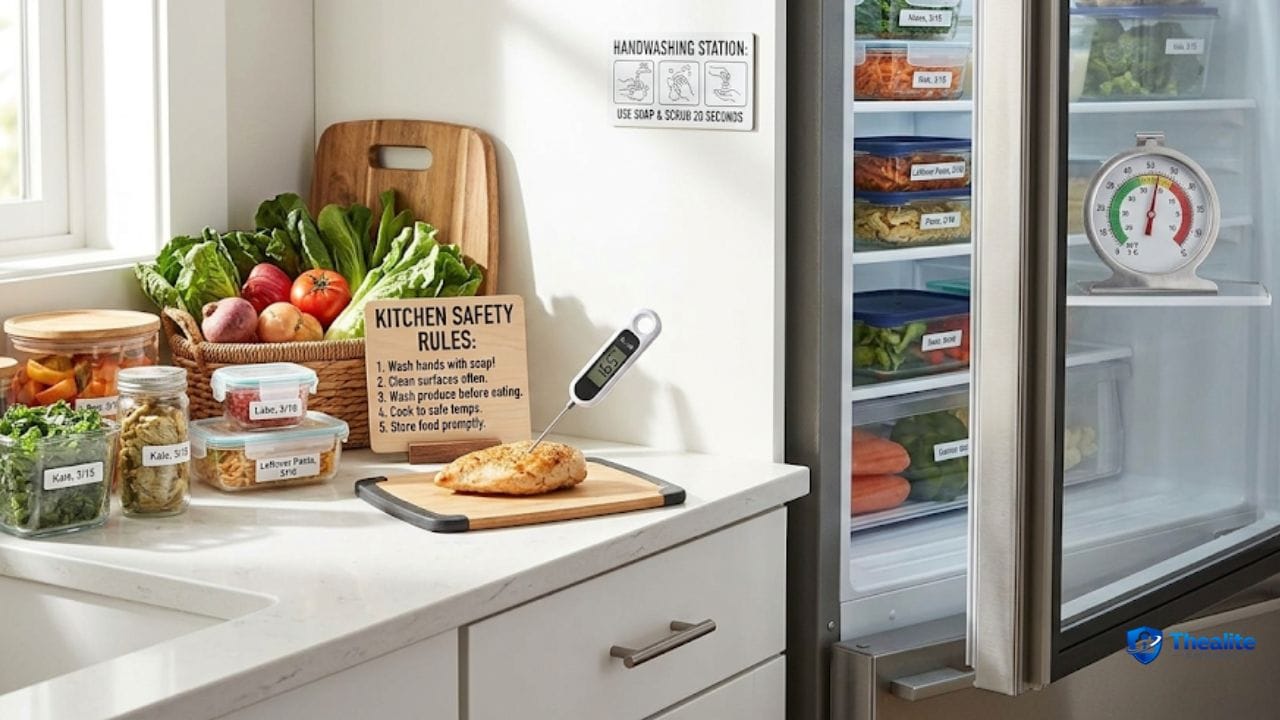
- Chill: refrigerate promptly, cool leftovers fast, and keep the fridge at 40°F or below (aim ~37°F).
1) CLEAN: Reduce Germs Before They Spread
Cleaning is where food safety starts. Most kitchen contamination spreads from hands, cutting boards, sponges, and countertops.
Handwashing rules that matter
- Wash hands before cooking and after touching raw meat, poultry, seafood, or eggs.
- Wash after handling trash, phones, pets, or using the bathroom.
- Dry hands with a clean towel or paper towel (dirty towels re-contaminate).
Kitchen surface habits
- Clean and sanitize cutting boards and countertops after raw meat contact.
- Replace or sanitize sponges often (sponges can hold lots of bacteria).
- Use clean towels—change them regularly.
Produce safety
- Rinse fruits and vegetables under running water before eating or cutting.
- Scrub firm produce (like melons) because knives can drag germs inside.
- Don’t wash raw poultry (it can spread bacteria through splashing).
2) SEPARATE: Stop Cross-Contamination
Cross-contamination is when bacteria from raw foods spread to foods that won’t be cooked—like salads, fruit, bread, or leftovers. This is one of the most common causes of food poisoning at home.
Separation rules you can follow daily
- Use separate cutting boards for raw meat and ready-to-eat foods (or wash/sanitize between uses).
- Keep raw meat/seafood/poultry sealed and on the bottom shelf of the fridge.
- Never reuse a plate that held raw meat for cooked food without washing it.
- Use separate utensils or wash them between raw and cooked steps.
3) COOK: Use Temperature, Not Guessing
Cooking to the right internal temperature is what kills harmful bacteria. Color and time are not reliable indicators by themselves. A food thermometer is one of the best kitchen safety tools you can own.
Practical cooking safety tips
- Use a thermometer for meats, casseroles, and leftovers you reheat.
- Stir soups, stews, and sauces while heating to avoid cold spots.
- When reheating leftovers, heat until steaming hot throughout (stir if needed).
Restaurant-style safety mindset: Food Workers Required to Keep Soup Safe.
4) CHILL: The Most Missed Step at Home
Chilling is where many people accidentally create the perfect environment for bacteria: warm leftovers sitting too long. Cold slows bacterial growth, but only if your fridge is cold enough and food is cooled quickly.
Safe refrigerator temperature
To keep food safe, your refrigerator should be **40°F (4°C) or below**. Many people aim for **around 37°F** for a buffer.
More detail: How Cold Should a Refrigerator Be to Keep Food Safe.
How to cool leftovers safely (fast and simple)
- Divide large portions into shallow containers so they cool faster.
- Don’t leave big pots of soup at room temp for long—use smaller containers.
- Leave space in the fridge for airflow (overpacking creates warm zones).
Cold-food safety habits
- Keep perishable foods sealed and refrigerated promptly.
- Avoid leaving dairy, meats, or leftovers out during long meals.
- Use an appliance thermometer if your fridge dial is unreliable.
Related: Practices That Keep Cold Food Safe.
Food Safety at the Grocery Store (Starts Before You Cook)
Food safety begins when you shop. Small habits reduce risk:
- Pick up cold and frozen items at the end of the trip.
- Keep raw meat separate in plastic bags (to prevent drips).
- Go straight home and refrigerate promptly—especially in hot weather.
- If you’re running errands, use an insulated cooler bag for perishable foods.
Food Safety for Picnics, Lunchboxes, and Travel
Outdoor meals are high-risk because foods warm up fast. Use these habits to keep food safe:
- Use an insulated cooler with enough ice/ice packs.
- Keep coolers in the shade; don’t open them repeatedly.
- Store raw meats separately from ready-to-eat foods.
- If a perishable item has been warm too long and you’re unsure, discard it.
What About Gloves? Do They Make Food Safer?
Gloves can help in some situations, but they are not a substitute for clean hands and proper habits. Gloves can still spread germs if you touch contaminated surfaces and then touch food.
Related: Wearing Gloves Can Keep Food Safe By.
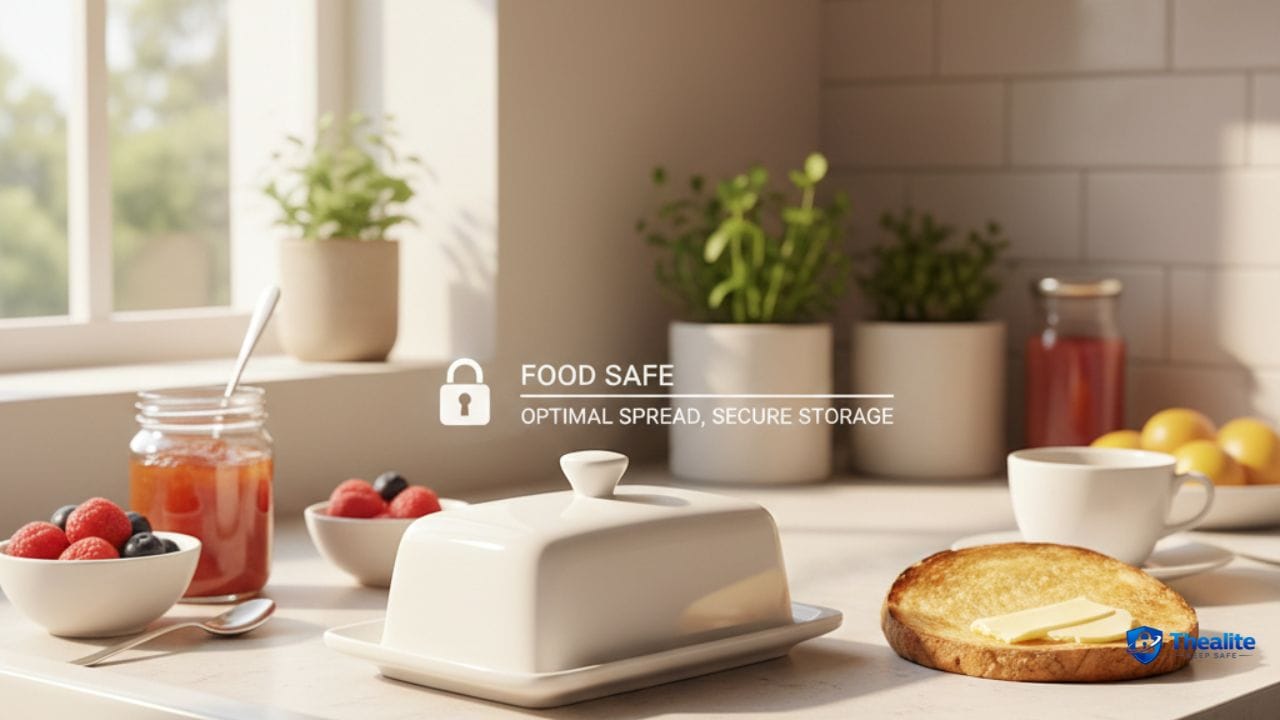
Special Topic: Butter at Room Temperature
Some foods create confusion. Butter is a common example: people wonder if it’s safe on the counter. The answer depends on time, temperature, and how it’s stored.
Read: Safe to Keep Butter at Room Temperature.
Food Safety Checklist (Copy/Paste)
- Wash hands before cooking and after handling raw meat/eggs
- Clean/sanitize cutting boards and counters after raw meat contact
- Keep raw meats sealed and separate from ready-to-eat foods
- Use a food thermometer; don’t guess by color
- Refrigerate promptly; cool leftovers in shallow containers
- Fridge at 40°F or below (aim ~37°F)
- Avoid overpacking fridge; keep airflow open
- When in doubt about safety, throw it out
FAQs
What are the basic rules to keep food safe?
Clean, Separate, Cook, and Chill. Those four steps prevent most food safety problems at home.
What temperature should my fridge be?
40°F (4°C) or below. Many people aim for around 37°F for a safety buffer.
Is washing raw chicken recommended?
No. Washing poultry can spread bacteria through splashing. Cooking to a safe temperature is the safer step.
How do I prevent cross-contamination?
Use separate cutting boards/utensils for raw meat and ready-to-eat foods, and wash/sanitize surfaces after raw meat contact.
What should I do if I’m not sure food is still safe?
If you’re unsure and it’s a perishable food, the safest choice is to discard it. Foodborne illness isn’t worth the risk.
Conclusion
Keeping food safe comes down to a few habits done consistently: clean hands and surfaces, keep raw foods separated, cook with temperature in mind, and chill quickly. If you set your fridge correctly and prevent cross-contamination, you’ll prevent most common causes of foodborne illness—without making cooking stressful.

As a digital marketer, she has received multiple international awards, including Campaign of the Year at the 2023 European Content Awards and Best Use of Content Marketing at the 2022 Global Search Awards. Nicai holds an MSc in Marketing (First Class Honours) from the UCD Smurfit Graduate Business School and she has also completed the Artificial Intelligence Programme at Oxford University’s Saïd Business School. She is also a contributing writer for publications such as Entrepreneur and Esquire.