Credit card fraud can happen in two ways physical theft (someone takes your card or copies it) and digital theft (someone gets your card number online and uses it). The good news is that you can prevent most problems with a few habits—and you can limit damage fast if your card ever goes missing.
This guide is written for U.S. cardholders and covers everyday protection, travel precautions, safer payment methods, how to avoid skimmers, and exactly what to do if your credit card is stolen or your number is compromised.
Related reading on your site: How to Keep Debit Card Safe • Keep Bank Account Safe Online • How to Keep Your Money Safe While Traveling • How to Keep Your Phone Safe From Pickpockets • How to Keep Your Identity Safe Online • How to Keep Phone Safe From Hackers
Quick Answer (The 10 Best Credit Card Safety Habits)
- Carry only the cards you need—leave extras at home.
- Keep your wallet/card in a front, zippered pocket or a crossbody worn in front.
- Use tap-to-pay (contactless) when available; it reduces card handling.
- Turn on transaction alerts for every purchase.
- Use bank/brand ATMs and inspect for skimmers before inserting any card.
- Never hand your card to someone who walks away with it (ask for a portable terminal).
- Avoid typing card numbers on public Wi‑Fi; use cellular data or a trusted VPN.
- Use strong passwords + multi-factor authentication for your bank/card apps.
- Freeze/lock your card in the issuer app when you can’t find it.
- If stolen: lock the card, report it, update subscriptions, and monitor credit.
Credit Card Safety vs Debit Card Safety (Why It Matters)
A credit card usually offers strong consumer protections, and fraudulent charges don’t typically pull cash directly from your checking account. A debit card connects to your bank balance, so fraud can be more disruptive. That’s why many travelers prefer credit for purchases and keep debit usage mostly for trusted ATM withdrawals.
Related: How to Keep Debit Card Safe (includes ATM habits and account protection).
Step 1: Protect the Physical Card (Pickpockets and ‘Quick Theft’)
Most in-person card theft is simple: a wallet left in a back pocket, a purse left open, or a phone and wallet placed on a restaurant table. Use a carry method that makes theft difficult.
Safer ways to carry a credit card
- Front pocket with a zipper or tight fit.
- Crossbody bag worn in front with zippers closed.
- Money belt or hidden travel pouch (useful in crowded areas).
Avoid these common mistakes
- Back pocket wallets (easy grab).
- Leaving your wallet/phone on a counter or table.
- Hanging purses on chair backs in busy places.
If you travel or use public transit often, also read How to Keep Your Phone Safe From Pickpockets (wallet theft and phone theft often happen together).
Step 2: Use Safer Payment Methods (Tap-to-Pay and Mobile Wallets)
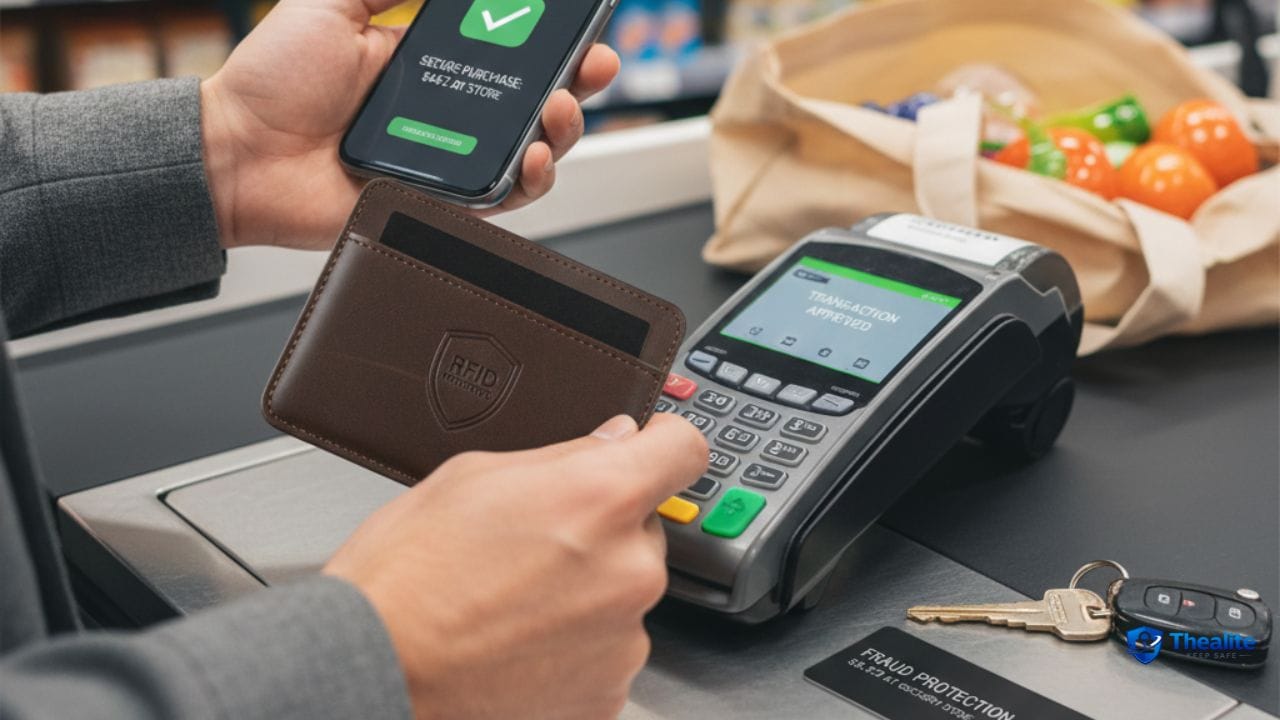
Whenever you can, use contactless payment (tap your card) or a mobile wallet (Apple Pay/Google Pay). These methods can reduce exposure because you’re not handing your card to someone or inserting it into a potentially tampered reader.
Best practices for contactless payments
- Use tap-to-pay when the terminal supports it.
- Avoid letting strangers handle your phone during payment.
- Turn on phone lock + biometrics so a thief can’t use your mobile wallet easily.
Phone security matters for card safety too. See How to Keep Phone Safe From Hackers.
Step 3: Watch for Skimmers (Gas Pumps, ATMs, and Tourist Areas)
Skimmers are devices or tampered readers that steal card data. They’re most common at gas pumps, ATMs, and unattended payment terminals. You can’t control every machine—but you can lower risk.
Skimmer-avoidance checklist
- Prefer tap-to-pay at gas stations (if available).
- Use pumps closest to the store entrance (they’re monitored more).
- Inspect the card reader: if it’s loose, bulky, misaligned, or looks tampered with, don’t use it.
- Use ATMs inside bank branches when possible.
- Cover the keypad when entering your PIN (for debit/cash advance situations).
Step 4: Keep Your Card Safe in Restaurants, Bars, and Hotels
A classic risk is when someone takes your card out of your sight. In many U.S. restaurants, the server takes your card to a register. That doesn’t automatically mean fraud—but it increases the opportunity for card data theft.
Safer habits
- If possible, pay at the table using a portable terminal.
- Use tap-to-pay when it’s offered.
- Check your card immediately after paying and before you leave.
- Don’t leave cards on the table while you talk or get distracted.
Step 5: Online Shopping Safety (Prevent Card-Not-Present Fraud)
Online fraud is common because thieves only need your card number, expiration date, and security code in many cases. Your goal is to reduce how often your card data is exposed and make account takeovers harder.
Online safety rules that work
- Shop on reputable sites and avoid sketchy ‘too good to be true’ deals.
- Use a password manager and unique passwords for shopping accounts.
- Turn on multi-factor authentication for your email and financial accounts.
- Avoid entering card numbers on public Wi‑Fi.
- Be cautious with links in emails/texts—type the website yourself instead.
Identity protection supports card protection. Read How to Keep Your Identity Safe Online for stronger account safety habits.
Step 6: Use Alerts, Locks, and Limits (Your Secret Weapon)
Most issuers let you set alerts for purchases, online transactions, international charges, and more. Alerts turn fraud into a quick fix instead of a surprise.
High-value settings to enable
- Real-time purchase alerts for any amount (or a low threshold).
- Alerts for online transactions and ‘card not present’ charges.
- Alerts for international transactions (even if you’re not traveling).
- Temporary card lock/freeze from the issuer app.
Step 7: Travel Safety (Airports, Hotels, and Foreign Transactions)
Travel increases risk because you’re distracted, carrying more, and using unfamiliar terminals. The key is to simplify: fewer cards, more monitoring, and safer storage.
Travel card safety checklist
- Carry only the card(s) you need each day; keep backups separate.
- Use a crossbody worn in front in crowded areas.
- Avoid random ATMs—use bank-branch machines.
- Check charges daily while traveling.
- Keep issuer phone numbers saved (and keep a copy offline).
Related: How to Keep Your Money Safe While Traveling.
What to Do If Your Credit Card Is Lost or Stolen
Move fast. A quick response limits fraud and reduces headaches.
1) Lock/freeze the card immediately
- Use your issuer app/website to lock or freeze the card if you can.
- If you can’t lock it, call the number on the back of your card (or your issuer’s official site).
2) Report it as lost/stolen and request a replacement
- Confirm whether recent charges are legitimate.
- Ask about expedited shipping if you’re traveling.
3) Update subscriptions and saved payment methods
- Streaming services, rideshare, food delivery, and online subscriptions may need updates.
- Check your digital wallet (Apple Pay/Google Pay) and remove/replace the card if needed.
4) Watch your credit and account security
- Monitor your account for new charges for at least a few weeks.
- If you suspect identity theft, review credit reports and consider placing a fraud alert or credit freeze.
If you suspect identity theft, start here: How to Keep Your Identity Safe Online.
Common Credit Card Safety Mistakes
- Carrying every card you own every day.
- Ignoring small ‘test’ charges (fraudsters often start small).
- Using sketchy ATMs or unattended terminals without inspecting them.
- Saving card info everywhere without strong account passwords.
- Not enabling alerts and not checking statements regularly.
- Letting your card leave your sight when safer options are available.
Credit Card Safety Checklist (Copy/Paste)
- Carry only what you need; keep backups separate
- Use tap-to-pay or mobile wallet when possible
- Turn on real-time alerts for purchases and online transactions
- Avoid risky ATMs/gas pumps; inspect for skimmers
- Use strong passwords + MFA for email and financial accounts
- Avoid public Wi‑Fi for purchases and banking
- Lock/freeze the card immediately if it’s missing
FAQs
Is it safer to use a credit card than a debit card?
Many people prefer credit cards for purchases because fraudulent charges typically don’t pull directly from checking funds. Debit cards are still useful, but it’s smart to protect them and limit riskier uses.
Should I use tap-to-pay whenever possible?
Yes, it can reduce card handling and exposure. Still, keep alerts on and monitor accounts.
Where do skimmers happen most often?
Gas pumps, ATMs, and unattended payment terminals are common locations. Use inside/bank ATMs and inspect readers when possible.
What should I do if my card number was stolen but I still have the card?
Lock the card (if possible), call your issuer, and request a new card number. Then monitor for additional suspicious activity.
How quickly should I report a lost card?
Immediately. Lock/freeze it right away and contact your issuer as soon as you realize it’s missing.
Conclusion
Keeping your credit card safe is mostly about reducing exposure and acting fast when something looks wrong. Carry fewer cards, use contactless payments when possible, watch for skimmers, lock down online accounts, and turn on alerts. If your card is ever lost or stolen, freeze it immediately and report it—then monitor your accounts and identity until you’re confident you’re clear.

As a digital marketer, she has received multiple international awards, including Campaign of the Year at the 2023 European Content Awards and Best Use of Content Marketing at the 2022 Global Search Awards. Nicai holds an MSc in Marketing (First Class Honours) from the UCD Smurfit Graduate Business School and she has also completed the Artificial Intelligence Programme at Oxford University’s Saïd Business School. She is also a contributing writer for publications such as Entrepreneur and Esquire.