People use Robinhood for investing because it’s simple and fast. But many users also leave cash sitting in the account, or they wonder if Robinhood is “safe enough” to treat like a bank. The truth is it depends on what kind of money you mean—invested money, uninvested cash in a brokerage account, or cash that’s swept into partner banks.
This U.S.-focused guide explains what protections exist (SIPC vs FDIC), what those protections do *not* cover (market losses), and when it makes sense to keep cash in Robinhood versus moving it to a traditional bank account.
Quick Answer
Robinhood can be safe to use as a brokerage when you understand the difference between investing risk and account protection. In general Investments (stocks/ETFs) can go down in value—no insurance protects you from market losses. Cash and securities held at a SIPC-member brokerage may be protected if the brokerage fails and customer assets are missing (up to SIPC limits). Cash swept to FDIC-insured partner banks may be eligible for FDIC insurance up to FDIC limits, but you must consider your total deposits at the same bank across accounts. If this money is an emergency fund you might need any time, a traditional FDIC-insured bank account is usually the simplest “set it and forget it” option.
What “Safe” Means for Money in Robinhood
When people say “safe,” they often mean one of these questions:
- Is my money protected if Robinhood (the company) has trouble?
- Is my cash protected if a partner bank fails?
- Can my investments lose value? (Yes—market risk is real.)
- Can scammers or hackers access my account? (Security habits matter.)
So the right answer depends on which risk you’re trying to avoid market risk, brokerage failure, bank failure, or account takeover.
SIPC vs FDIC: The Most Important Difference
Two different systems are often confused:
SIPC (brokerage protection)
SIPC is designed for brokerage firms. It generally protects against the loss of cash and securities held at a financially-troubled SIPC-member brokerage if assets are missing—up to SIPC limits. SIPC does not protect you from market losses (a stock going down).
FDIC (bank deposit insurance)
FDIC insurance is for bank deposits at FDIC-insured banks. It protects depositors up to the FDIC limit per depositor, per bank, per ownership category, in case a bank fails. FDIC does not protect investments like stocks.
How Robinhood accounts can involve both
Depending on your settings and product features, cash might remain at the brokerage (SIPC context) or be swept into partner banks (FDIC context). That’s why it’s important to know where your cash is actually held.
How Robinhood Protects Brokerage Cash and Securities (SIPC Basics)
Robinhood’s brokerage entities (for investing) are SIPC members and describe SIPC coverage for securities and cash held at the brokerage. SIPC coverage has a limit and includes a cash sublimit; it also does not cover market declines.
Practical meaning for you:
- If a stock drops, SIPC does not reimburse losses.
- If the brokerage fails and customer assets are missing, SIPC may help up to its limits.
- Crypto and certain other products may not fall under SIPC in the same way; read product disclosures carefully.
How Robinhood’s Cash Sweep Can Add FDIC Coverage
Many brokerages offer a sweep program that moves idle cash into deposit accounts at partner banks. Robinhood’s disclosures explain that cash may be “swept” into FDIC-insured deposit accounts at participating banks, where it can earn interest, and become eligible for FDIC insurance once deposited at those banks.
Key cash sweep facts (simple version)
- FDIC insurance generally applies once your cash is in a deposit account at a partner (Program) bank.
- FDIC coverage depends on FDIC rules and your total deposits at the same bank (including deposits outside the sweep program).
- You are responsible for monitoring totals per bank (this is commonly stated in sweep disclosures).
- If your sweep includes multiple banks, deposits may be spread across banks (which can increase total insured capacity—subject to FDIC rules).
So… should you keep cash in Robinhood?
Use this decision framework. It’s not about fear; it’s about matching the right tool to the right job.
If this is your emergency fund
- A traditional FDIC-insured bank or credit union account is usually best for simplicity and predictable access.
- Keep emergency money in a place you can access quickly and where you’re comfortable with the protections.
Related: Which Bank Is Safe to Keep Money • Is It Safe to Keep Money in Checking Account.
If this is investing cash you plan to deploy soon
- Keeping cash in Robinhood can be convenient if you plan to invest it soon and you understand how the cash is held (brokerage vs sweep).
- Make sure your account is protected with strong security (MFA, strong password, alerts).
If you’re chasing yield
- Don’t pick solely based on advertised yield. Read where the cash is held and what protections apply.
- Understand limitations like access, transfer times, and whether balances may be moved between banks.
Security: The Biggest Real-World Risk Is Account Takeover
Insurance protections help with institutional failures, but most everyday losses come from scams, SIM swaps, and compromised email accounts. Protecting your login is as important as where you park cash.
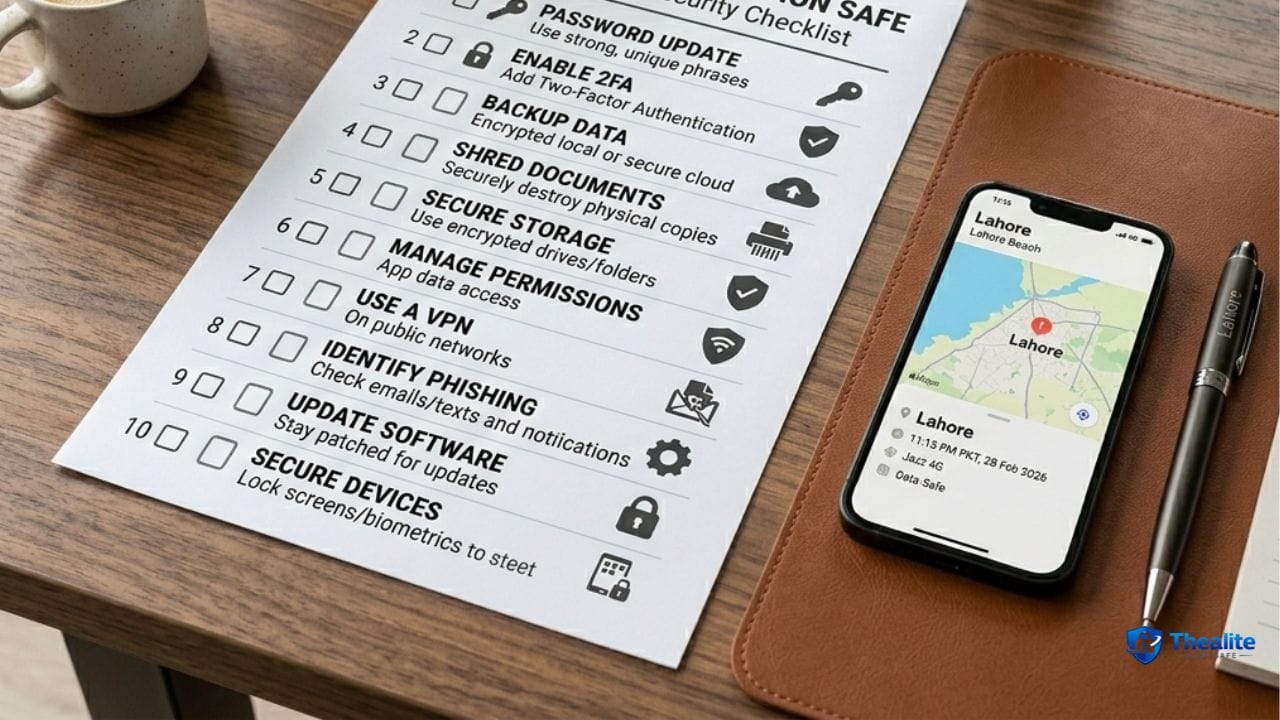
Account security checklist
- Use a unique, long password (preferably via a password manager).
- Turn on two-factor authentication (MFA).
- Secure your email account first (email is how attackers reset accounts).
- Turn on alerts for logins, transfers, and withdrawals.
- Avoid clicking “support” links in emails/texts—open the app/site directly.
More: How to Keep Your Passwords Safe • Keep Bank Account Safe Online • How to Keep Your Identity Safe Online
Best Practices If You Keep Money in Robinhood
- Keep only what you need for investing or planned usage; keep emergency cash in a bank if that feels safer.
- Check whether your cash is swept to partner banks (and review sweep disclosures).
- Keep deposits below insurance limits where possible, considering your other deposits at the same banks.
- Use MFA and a password manager; don’t reuse banking passwords.
- Review transactions regularly and set alerts.
- Keep a plan for moving money quickly if needed (know transfer times and withdrawal routes).
What Robinhood Is NOT Ideal For
- Replacing a primary checking account for daily bills if you need full banking features and predictable protections.
- Holding large sums without understanding how insurance limits apply.
- Storing money “set and forget” without monitoring security or account settings.
Copy/Paste Checklist: Is It Safe to Keep Money in Robinhood?
- Know what ‘money’ means: invested funds vs uninvested cash
- Remember: market losses are NOT insured
- Check protections: SIPC for brokerage (missing assets), FDIC for swept bank deposits
- Confirm where your cash is held (brokerage vs cash sweep)
- Stay within insurance limits and consider total deposits at the same bank
- Secure the account: unique password + MFA + alerts; secure email first
- Keep emergency fund at an FDIC/NCUA bank if you need simple access and peace of mind
FAQs
Is Robinhood FDIC insured?
Robinhood is not a bank. FDIC insurance can apply to cash when it is deposited at FDIC-insured partner banks through a sweep program, subject to FDIC rules and limits.
Is Robinhood SIPC insured?
Robinhood’s brokerage entities are SIPC members. SIPC can protect cash and securities at a brokerage if a brokerage fails and customer assets are missing—up to SIPC limits. SIPC does not cover market losses.
Is uninvested cash in Robinhood safe?
It can be reasonably protected depending on whether it’s held at the brokerage (SIPC context) or swept to partner banks (FDIC context). The key is understanding where your cash is held and staying mindful of insurance limits.
Should I keep my emergency fund in Robinhood?
Many people prefer a traditional FDIC-insured bank or NCUA-insured credit union for emergency funds because it’s simple, predictable, and designed for cash access.
What’s the biggest risk for most users?
Account takeover via phishing, weak passwords, or compromised email/phone. Strong security habits (unique password + MFA + alerts) reduce this risk significantly.
Conclusion
Robinhood can be a safe place to invest if you understand what protections exist and what they don’t cover. Investments can lose value—no insurance prevents market losses. Protection mostly matters for institutional failure or missing assets (SIPC) and bank deposit failures for swept cash (FDIC). For most people, the smartest setup is a hybrid: keep emergency cash in a traditional insured bank account, and keep only the cash you plan to invest or use soon in Robinhood—protected by strong account security.

As a digital marketer, she has received multiple international awards, including Campaign of the Year at the 2023 European Content Awards and Best Use of Content Marketing at the 2022 Global Search Awards. Nicai holds an MSc in Marketing (First Class Honours) from the UCD Smurfit Graduate Business School and she has also completed the Artificial Intelligence Programme at Oxford University’s Saïd Business School. She is also a contributing writer for publications such as Entrepreneur and Esquire.