If you fish, garden, compost, or keep reptiles, you’ve probably had this question: **can I store worms in the refrigerator—and is it safe to keep them in there with food?**
People refrigerate worms (nightcrawlers, red wigglers, mealworms, waxworms, etc.) to slow their metabolism so they last longer. That part is normal. The safety concern is the same one that applies to any non-food item stored near food: **cross-contamination**.
The short version: **it’s safer not to store worms in the same fridge compartment as uncovered or ready-to-eat foods**. But if you must, you can reduce risk a lot with the right container, placement, and hygiene habits. This U.S.-focused guide explains the real risk level and the best practices.
Related reading on your site: How Cold Should a Refrigerator Be to Keep Food Safe • Keep Temperature Control for Safety Food Safe • Practices That Keep Cold Food Safe • How Will These Rules Keep You Safe?
Quick Answer
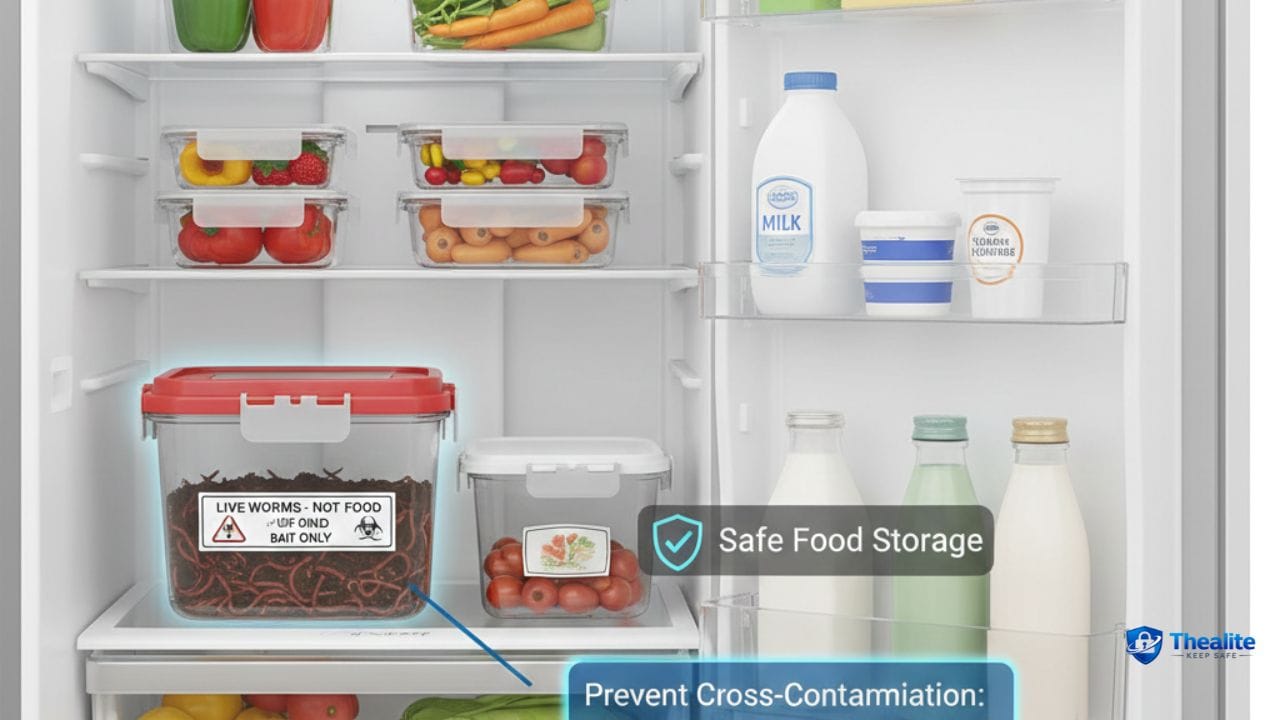
Keeping worms in the fridge with food is **not ideal**, because worm bedding (soil/peat), moisture, and worm waste can carry bacteria and can leak or contaminate surfaces. If you have to do it, store worms in a **tightly sealed, leak-proof container**, keep them **on the lowest shelf in a separate bin**, and keep all human food sealed. For the best safety, use a **dedicated mini-fridge** or a separate storage area.
Why This Can Be a Food Safety Problem
Worms themselves aren’t the only issue—the whole “worm setup” includes moist bedding and organic material. That combination can introduce germs that you don’t want near ready-to-eat foods.
The main risks
- Leaking moisture from the container (drips can spread bacteria).
- Soil/bedding particles getting onto shelves, produce drawers, or packaging.
- Cross-contamination from hands (touching worm containers then touching food).
- Odor transfer if containers aren’t well sealed.
The good news
If everything is sealed correctly, the risk becomes much smaller. In other words, it’s less about “worms = unsafe” and more about **storage and hygiene**.
Which ‘Worms’ Are We Talking About?
Storage needs vary by species. These are the most common cases:
Fishing worms (nightcrawlers/red worms)
- Usually stored cool to keep them alive longer.
- Often packed in moist bedding that can leak.
- Higher chance of odor and moisture issues if not sealed.
Feeder insects sometimes called “worms” (mealworms, waxworms)
- Often stored cool to slow development.
- Typically come in a cup with bedding (bran/oats).
- Still a contamination concern if lids pop open or spill.
Compost worms / worm bin material
Storing compost worms or worm-bin material in a food fridge is generally a bad idea because it involves more organic waste and moisture.
What Temperature Should Worms Be Stored At?
Exact temperatures depend on the species and the supplier’s instructions. In general, refrigeration is used to keep worms cool—not frozen. For household food safety, the fridge should remain at safe food temperatures.
Food safety temperature reminder
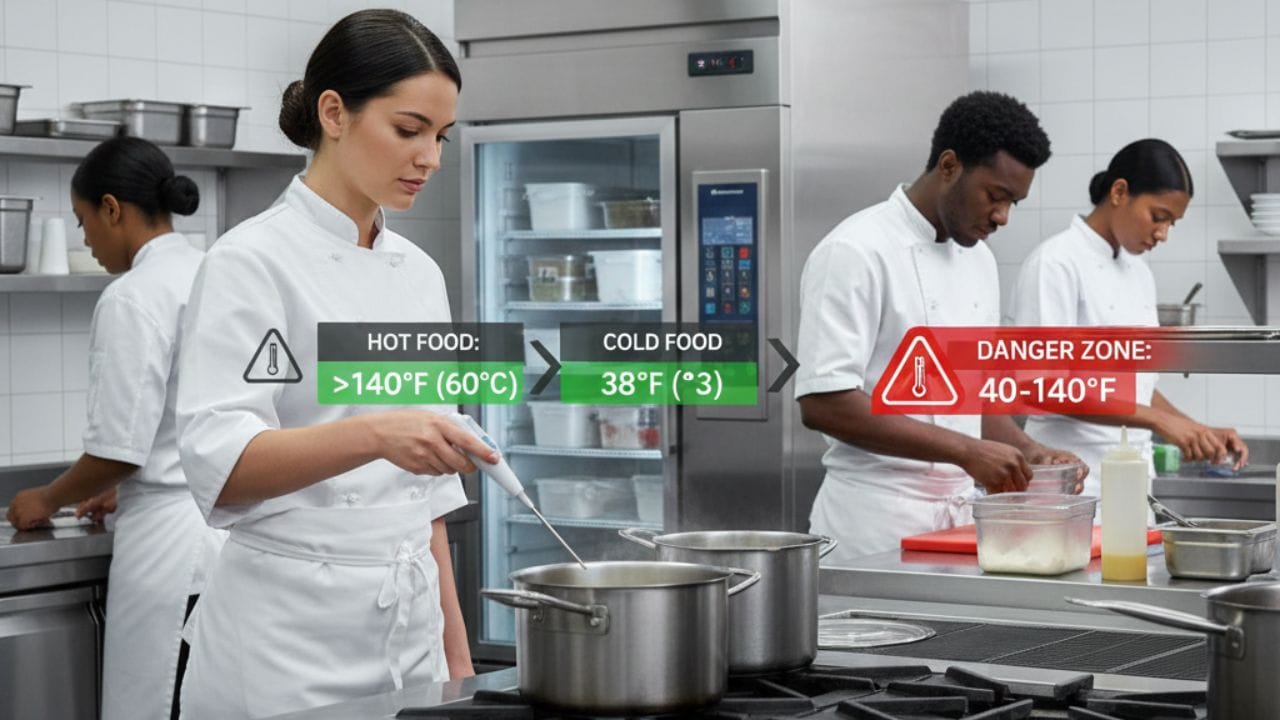
For food safety, a refrigerator should be **40°F (4°C) or below**, and many people aim for **around 37°F (3°C)**.
More detail: How Cold Should a Refrigerator Be to Keep Food Safe.
Worm comfort vs food safety
If your worm container is causing you to raise the fridge temperature, that’s a problem. Food safety comes first—keep the fridge cold enough and store worms within that.
How to Store Worms in a Food Fridge (Safest Method)
If you’re going to do it, do it like a containment plan: sealed, separated, and easy to clean.
1) Use a leak-proof, sealed container
- Keep worms in the original sealed cup only if it’s sturdy and truly leak-resistant.
- Put that cup inside a second container (double containment).
- Use a lid that won’t pop open if the container tips.
- Avoid flimsy bags or cracked lids.
2) Put the container inside a dedicated bin
- Use a plastic bin with a lid to catch any leaks.
- Label it clearly so no one mistakes it for food.
- Keep that bin only for worm storage (don’t reuse for food later).
3) Store it on the lowest shelf (not above food)
- Lowest shelf reduces drip contamination risk.
- Never store worms above ready-to-eat foods (leftovers, produce, drinks).
- Avoid the produce drawers—too much chance of contact.
4) Keep food sealed (especially ready-to-eat items)
- Use sealed containers for leftovers and cut produce.
- Keep raw meats sealed and on the bottom shelf too (separate trays).
- Don’t leave food uncovered in a shared fridge.
5) Wash hands and sanitize surfaces
- Wash hands after touching worm containers.
- If there’s any spill, clean immediately with hot soapy water and sanitize.
- Keep a designated “worm handling” area away from food prep.
Common Mistakes That Make This Unsafe
- Storing worms in a thin container that leaks or tears.
- Putting worms in the door or produce drawer (high contact).
- Storing worms above uncovered food.
- Letting kids handle worm cups and then touch fridge handles/food.
- Ignoring smells or moisture (both are warning signs of containment failure).
Better Alternatives (If You Can Do One Upgrade)
If you store worms regularly, these options are safer and simpler long term:
Option 1: A dedicated mini-fridge
- Keeps bait/feeder items separate from food.
- Reduces contamination worries and household stress.
- Useful for other non-food items too (bait, pet supplies).
Option 2: Garage/basement cool storage (seasonal)
In some climates, a cool garage or basement area may work, but temperatures can swing. Avoid freezing and overheating. Follow supplier guidance.
Option 3: Buy smaller quantities more often
If you only fish occasionally, buying worms closer to when you need them reduces storage time—and reduces risk.
What to Do If Worm Bedding Spills in Your Fridge
Treat it like a raw-food spill: clean fast and thoroughly.
- Remove nearby food and check packaging for contamination.
- Wash the shelf/drawer with hot soapy water.
- Sanitize the area (follow label directions on a kitchen-safe sanitizer).
- Wash hands and any tools used for cleanup.
- Consider discarding ready-to-eat foods that were directly contaminated.
Food Safety Reminder: Cold Doesn’t Kill All Germs
Refrigeration slows bacterial growth, but it doesn’t sterilize. That’s why containment and hand hygiene matter even when everything is “cold.”
For general cold-food handling principles, see Practices That Keep Cold Food Safe.
Copy/Paste Checklist (If You Must Store Worms With Food)
- Worms stored in sealed, leak-proof container (double contained)
- Container placed inside a dedicated plastic bin with lid
- Bin stored on lowest shelf (never above food)
- All food sealed; no uncovered leftovers or produce near it
- Hands washed after handling worm containers
- Spills cleaned and sanitized immediately
- Fridge stays at 40°F or below (aim ~37°F)
FAQs
Is it safe to keep nightcrawlers in the fridge with food?
It’s not ideal, but you can reduce risk if they’re sealed, double-contained, stored on the lowest shelf, and kept away from ready-to-eat foods.
Can worms contaminate my food just by being in the same fridge?
If everything is sealed and there are no leaks, contamination risk is much lower. The biggest risks are spills, drips, and hand-to-food transfer.
Should I store worms in the produce drawer?
No. Produce drawers are for food and are hard to sanitize well if bedding spills.
What’s the safest way to store worms at home?
A dedicated mini-fridge is the safest and simplest option if you store worms regularly.
Can I store worms in the freezer instead?
Freezing typically kills live bait worms. If you need them alive, avoid freezing and follow supplier guidance.
Conclusion
So, is it safe to keep worms in the fridge with food? It’s **not the best practice**, but it can be made much safer with strict containment and hygiene: use a leak-proof container, double-contain it in a labeled bin, store it on the lowest shelf, and keep food sealed. If you store worms often, a small dedicated bait/feeder mini-fridge is the safest long-term upgrade.

As a digital marketer, she has received multiple international awards, including Campaign of the Year at the 2023 European Content Awards and Best Use of Content Marketing at the 2022 Global Search Awards. Nicai holds an MSc in Marketing (First Class Honours) from the UCD Smurfit Graduate Business School and she has also completed the Artificial Intelligence Programme at Oxford University’s Saïd Business School. She is also a contributing writer for publications such as Entrepreneur and Esquire.