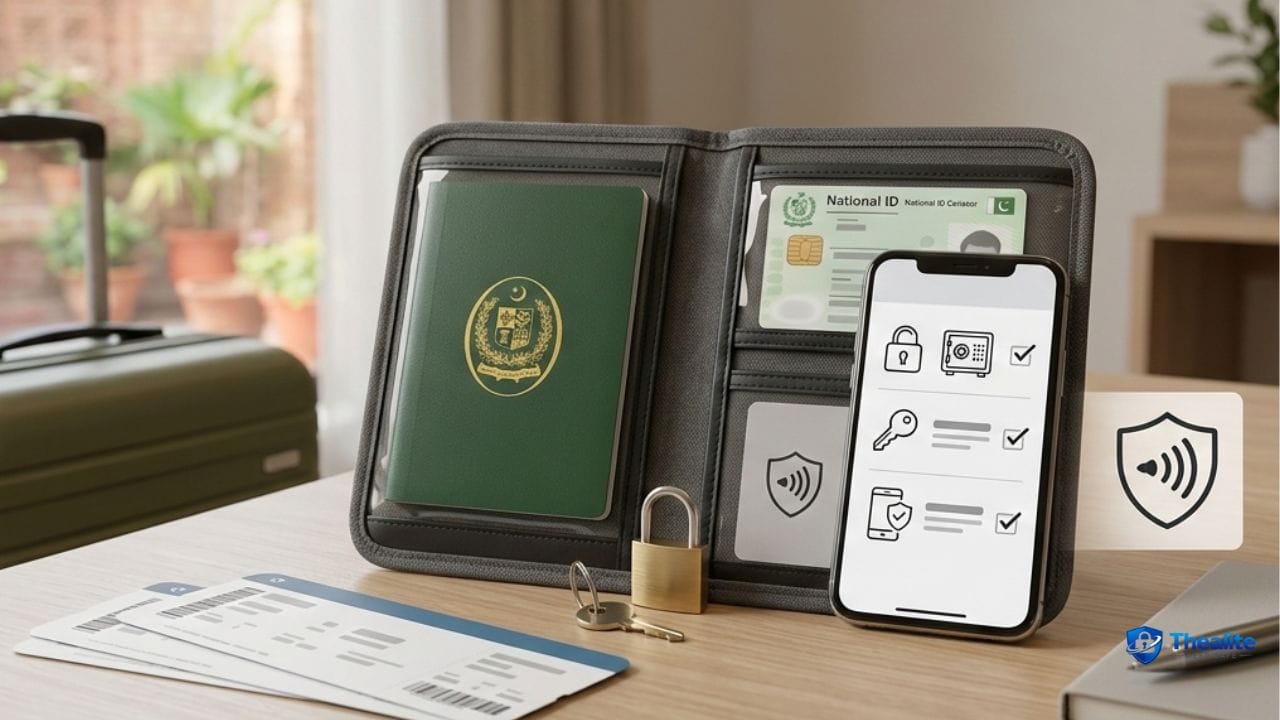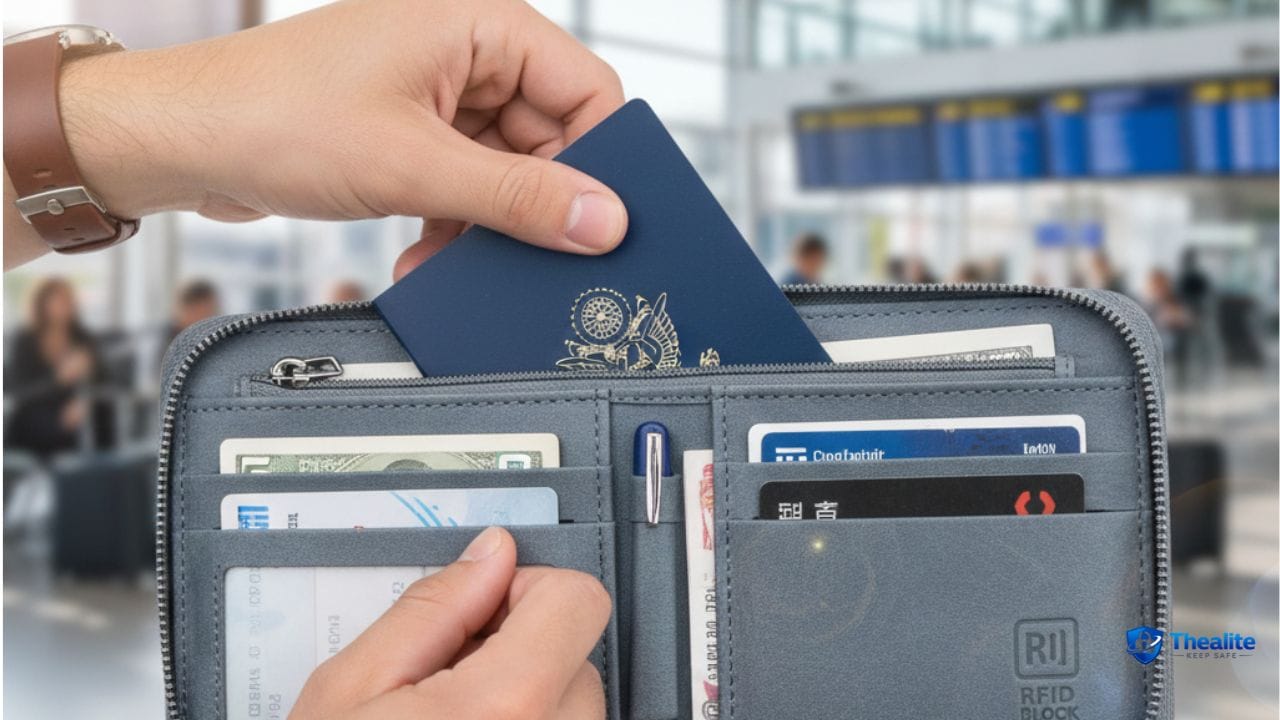
Your passport is more than an ID—it’s your ability to get home. Losing it can derail a trip, create expensive delays, and put you at risk of identity theft if someone uses your personal information. The good news is that most passport loss happens in predictable moments: airport security, crowded transit, hotels/hostels, beach days, and “I’ll just set it here for a second” situations.
This guide is written for U.S. travelers and focuses on practical, realistic habits that reduce risk—without turning your vacation into a stressful routine. You’ll also get a clear action plan for what to do if your passport is lost or stolen.
Related reading on your site: How to Keep Your Money Safe While Traveling • How to Keep Valuables Safe at the Beach • How to Keep Your Phone Safe From Pickpockets • How to Keep Your Identity Safe Online • Keep Important Documents Safe Online
Quick Answer (Passport Safety System)
- Carry your passport in a secure, zipped location (crossbody worn in front or hidden travel pouch).
- Don’t use back pockets or open bags in crowds.
- Use your passport only when you must; otherwise store it securely (hotel safe or locked luggage, depending on the situation).
- Make backups: a photocopy + a secure digital copy.
- Know your emergency steps if it’s lost: report, contact embassy/consulate, and replace quickly.
Why Passports Get Lost or Stolen
Most passports aren’t stolen by movie-style criminals—they’re lost through distraction, rushed handling, or simple pickpocketing. Here are the most common real-world scenarios:
- Airport security: passport put in a tray, pocket, or bag and forgotten.
- Crowded areas: transit, festivals, tourist sites, markets, and lines.
- Hotel/hostel routines: leaving it on a desk, nightstand, or in an easy-to-search bag.
- Beach/pool days: passport brought “just in case” and left unattended.
- Nightlife: carrying unnecessary documents while distracted.
Step 1: Decide When You Actually Need Your Passport
One of the smartest ways to protect your passport is reducing how often you carry it. In many destinations, you don’t need your passport all day—you need it for border crossings, some official check-ins, and certain situations like currency exchange or specific tickets.
Practical approach
- Carry it on travel days (flights/trains, border crossings, check-in).
- When you don’t need it, store it securely at your accommodation.
- Carry a backup ID (if appropriate) or a photocopy if the situation allows.
Important note: local laws vary. Some places expect tourists to carry official ID. If that’s the case where you’re traveling, consider carrying the passport in the safest way possible—or ask your accommodation what’s typical.
Step 2: Carry It the Pickpocket-Resistant Way
If you carry your passport, treat it like cash and a credit card combined. Your best defense is secure placement.
Best places to carry a passport
- A crossbody bag worn in front with a zipper fully closed.
- A hidden travel pouch or money belt under clothing.
- A zippered inside jacket pocket.
Avoid these places
- Back pockets (easy pickpocket target).
- Open totes or backpacks with outer pockets.
- Loose jacket pockets without zippers.
- Holding it in your hand while walking in crowded areas.
For anti-pickpocket habits, see How to Keep Your Phone Safe From Pickpockets (same principles apply to passports).
Step 3: Protect It During Airports and Transit
Airports and transit hubs are where passports are most frequently mishandled. You’re rushed, distracted, and moving between checkpoints.
Airport safety rules
- Create a ‘passport pocket’—one consistent zip pocket or pouch where it always goes.
- Don’t put your passport loosely in security trays unless required; if you do, keep your eyes on it.
- When you finish a checkpoint, move to the side and re-pack carefully—don’t rush while walking.
- Avoid pulling it out repeatedly in crowded lines; keep it secure until needed.
On trains, buses, and taxis
- Keep it on your body, not in overhead bins or exterior backpack pockets.
- If you must store it in a bag, keep the bag on your lap and zipped.
- Be cautious during boarding and exiting—crowd squeezes are prime pickpocket moments.
Step 4: Hotel and Hostel Storage (Safe vs Locked Luggage)
When you’re not carrying your passport, you need a storage plan. The best option depends on your accommodation and your risk tolerance.
Option A: Hotel safe (often good, not perfect)
- Use it for passports, spare cards, and backup cash when you trust the hotel and safe seems secure.
- Take a photo of your safe code procedure (for yourself) and double-check you locked it.
- Don’t leave the passport loose on a table even inside the room—housekeeping and visitors happen.
Option B: Locked luggage (useful backup option)
- If you don’t trust a room safe, consider keeping your passport in a locked suitcase.
- Place it in a less obvious internal pocket (not the first zip pouch thieves would check).
- Remember: luggage locks deter casual access but don’t stop determined theft—use them as one layer.
Option C: Carry it when accommodation security is questionable
If you’re staying somewhere you don’t trust (crowded dorms, lots of foot traffic), it may be safer to keep the passport on your body in a hidden pouch—especially if you’re moving frequently.
Step 5: Make Backup Copies (This Saves Hours of Pain)
Backups don’t replace a passport, but they make replacement much easier. The goal is to prove identity and document details quickly.
Best backup setup
- A photocopy (or printed scan) of the photo page kept separate from the passport.
- A secure digital copy stored in a protected account (not a public folder).
- A note of your passport number and issue/expiration dates stored securely.
Related document safety: Keep Important Documents Safe Online and How to Keep Important Documents Safe at Home.
Step 6: Protect Against Identity Theft If It’s Stolen
A stolen passport can be used for identity fraud. Even if the thief can’t travel as you, your personal details can be misused.
Identity-protection habits for travelers
- Keep your phone secured (it often contains travel emails and booking details).
- Use strong passwords and MFA for email—email is the key to account resets.
- Avoid sending passport photos through unsecured messaging or public Wi‑Fi.
- Be cautious of “helpful” strangers offering to handle your documents.
Related: How to Keep Your Identity Safe Online • Keep Bank Account Safe Online • How to Keep Phone Safe From Hackers
Step 7: Beach and Pool Days (Where People Get Lazy)
If you’re going to the beach or pool, **don’t bring your passport unless you truly need it**. This is one of the most common loss scenarios.
If you must bring it
- Use a waterproof pouch you keep on your body (not in a bag on the sand).
- Bring only what you need—avoid taking passport + all cards + cash together.
- Use the buddy system: someone stays with valuables at all times.
More: How to Keep Valuables Safe at the Beach.
What to Do If Your Passport Is Lost or Stolen (Step-by-Step)
If it happens, act quickly. The first 24 hours matter.
1) Confirm it’s truly missing
- Retrace your last steps calmly (hotel room, safe, bags, pockets).
- Ask staff/security at places you visited (many passports are turned in).
- Check with airline/train desks if you think it was left behind.
2) Report it (if theft is suspected)
- File a local police report if it appears stolen (often helpful for replacement and insurance).
- Report the passport as lost/stolen to the appropriate U.S. authorities as soon as possible.
3) Contact the nearest U.S. embassy/consulate
- They can guide you through getting an emergency passport or replacement.
- Bring any ID you have, passport copy, photos, and travel itinerary if available.
4) Plan your travel timeline
Replacement can take time depending on location and circumstances. If you have upcoming flights, communicate early with airlines and adjust plans if needed.
Passport Safety Checklist (Copy/Paste)
- Use one consistent zipped ‘passport pocket’
- Carry in front + zipped or in hidden travel pouch
- Don’t carry it daily unless required—store it securely instead
- Make backups: printed copy + secure digital copy
- Never put passport in back pocket or open bag
- Avoid bringing it to beach/pool unless necessary
- If lost: retrace, report, contact U.S. embassy/consulate quickly
FAQs
Should I carry my passport with me every day abroad?
Often you only need it for transit, check-in, or official situations. Many travelers store it securely at their accommodation and carry a copy. Local laws vary, so check what’s expected where you’re going.
Is a hotel safe safe for passports?
It can be a good option, but not perfect. Use it when you trust the hotel and the safe seems secure. Double-check it’s locked and avoid leaving the passport out in the room.
What’s the safest way to carry a passport in crowds?
A hidden travel pouch under clothing or a zipped crossbody worn in front. Avoid back pockets and open bags.
What should I do first if my passport is stolen?
Confirm it’s missing, file a report if needed, and contact the nearest U.S. embassy/consulate to begin the replacement process.
Should I keep a digital passport photo on my phone?
A secure copy can help with replacement, but protect it—use a secure account and strong phone security, and avoid sharing it through unsecured apps.
Conclusion
Keeping your passport safe while traveling comes down to a simple system: carry it securely when needed, store it safely when not needed, and keep backups so you’re not starting from zero if something goes wrong. Combine pickpocket-resistant carry habits, smart hotel storage, and a clear lost-passport action plan, and you’ll dramatically reduce stress and travel disruptions.

As a digital marketer, she has received multiple international awards, including Campaign of the Year at the 2023 European Content Awards and Best Use of Content Marketing at the 2022 Global Search Awards. Nicai holds an MSc in Marketing (First Class Honours) from the UCD Smurfit Graduate Business School and she has also completed the Artificial Intelligence Programme at Oxford University’s Saïd Business School. She is also a contributing writer for publications such as Entrepreneur and Esquire.