How to Keep Your Debit Card Safe
Debit cards are convenient, but they come with one big downside: they pull money directly from your bank account. That means if someone steals your card details (or your PIN), they can drain funds fast—and…
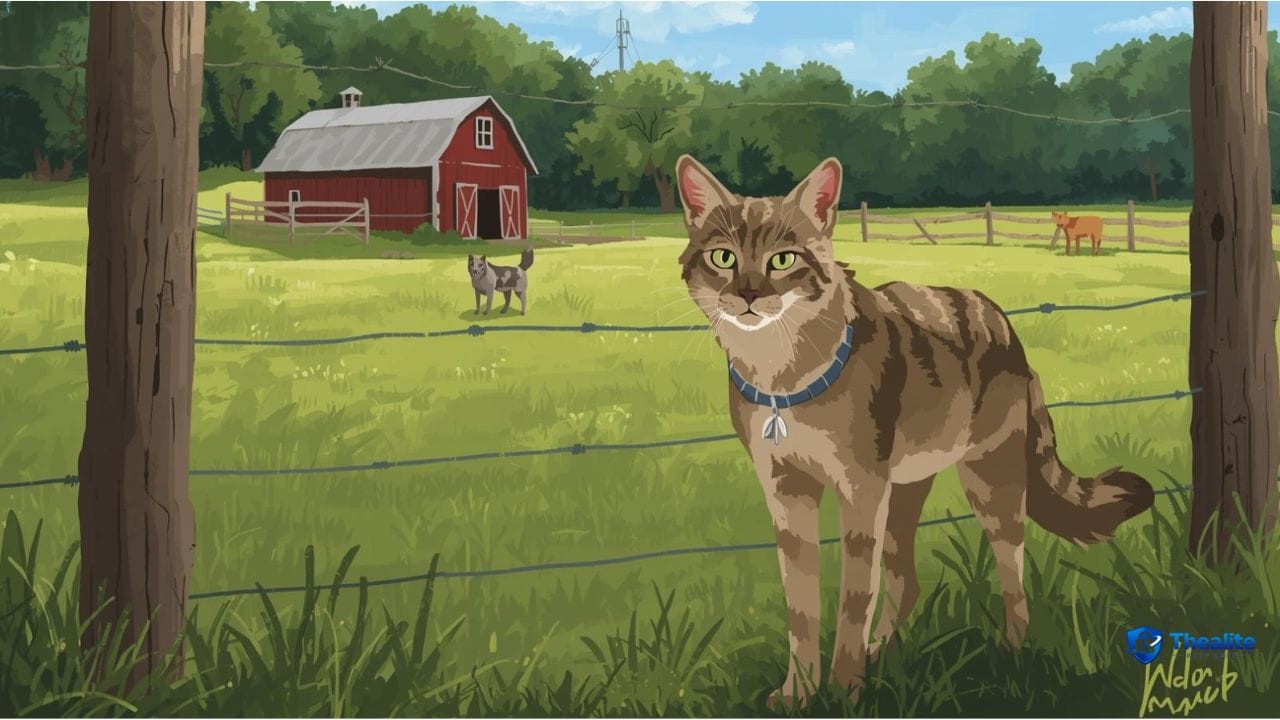
Barn cats can be great mousers, but living outdoors (or semi‑outdoors) also puts them on the menu for predators—especially coyotes. Coyotes are common across much of the United States and they’re opportunistic hunters. That means…
Home safety isn’t just about locks and alarms. A truly “safe home” protects you from the most common risks in the U.S.: break-ins, package theft, identity exposure, fires, weather emergencies, and avoidable accidents. The best…
A day at the beach should feel relaxing—not like you have to guard your stuff every second. But beaches are also one of the easiest places for theft because people leave bags unattended, get distracted…
Rules can feel annoying until you understand what they’re doing: they reduce risk. Whether it’s a workplace policy, a school guideline, a community rule, or a personal habit, most safety rules exist for the same…
Identity theft happens when someone uses your personal information—your Social Security number (SSN), driver’s license details, banking info, or online logins—to take over accounts or open new ones in your name. In the U.S., most…
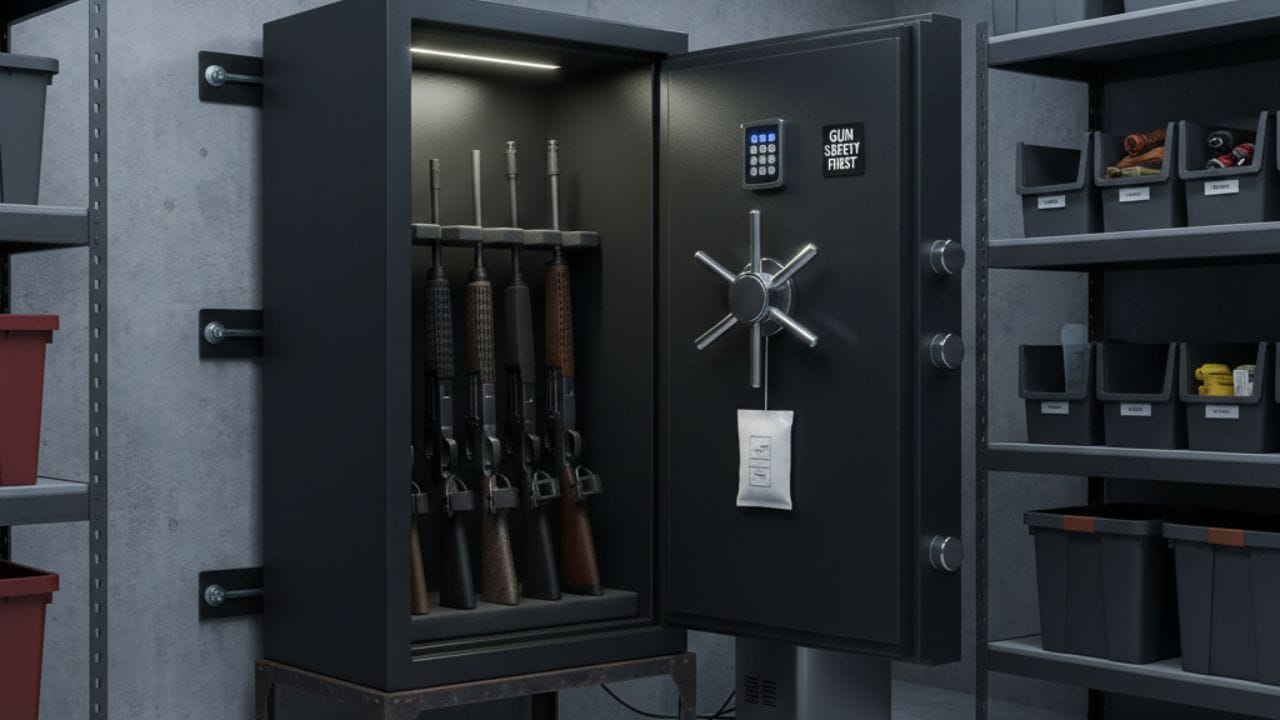
If you are short on indoor space, putting a gun safe in the garage can feel like the most practical option. It is usually ground level (easier delivery), has more open wall space, and keeps…
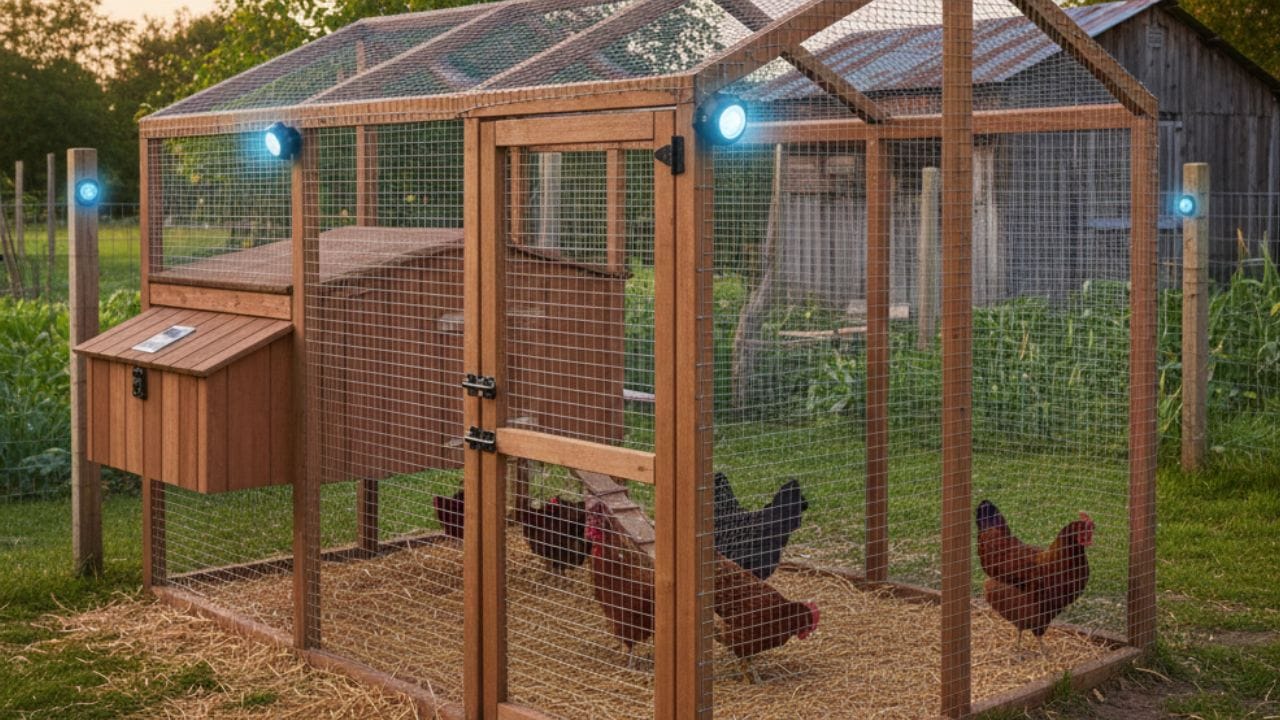
The most reliable way to keep chickens safe from hawks is to remove the “open sky” problem. Cover your run with netting or hardware cloth, add overhead shelter and hiding spots, and avoid wide-open free-ranging…
To keep chickens safe from predators, you need a predator-proof coop at night and a protected run during the day. Use hardware cloth (not chicken wire) on openings, secure doors with strong latches, block digging…
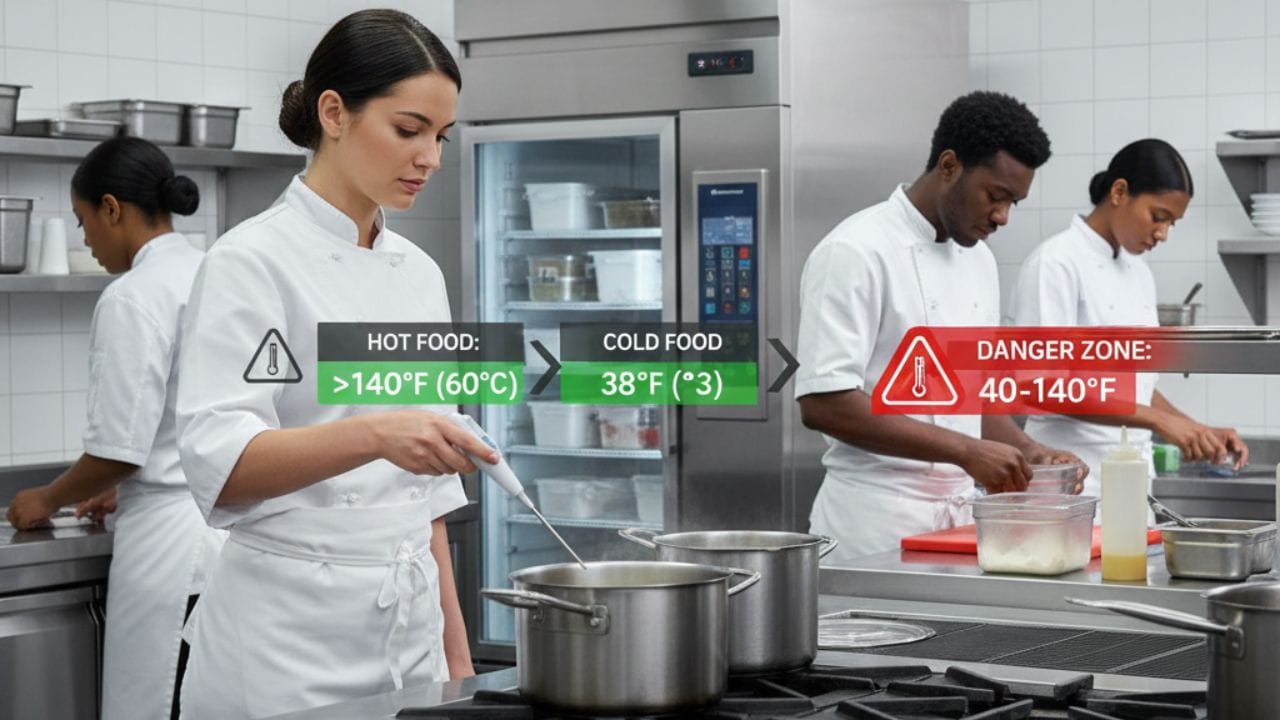
You keep temperature control for safety by keeping foods out of the “danger zone.” Cold foods should stay cold (41°F / 5°C or below), hot foods should stay hot (135°F / 57°C or above), and…