Cash is simple, private, and useful during emergencies—until it’s stolen, damaged, or ruined by moisture. If you keep cash at home or travel with cash, you need a strategy that covers three risks theft, damage (fire/water/mold), and loss/misplacement.
This U.S.-focused guide explains practical ways to keep cash safe: the best places to store it at home, how to use a safe correctly, how to prevent cash from molding, when a safe deposit box makes sense, and how to carry cash safely while traveling. You’ll also get a copy/paste checklist at the end.
Quick Answer (The Cash Safety System)
- Keep only a reasonable emergency amount in cash; don’t store large life savings at home.
- Use a real safe (bolted down) or a safe deposit box for larger amounts.
- Avoid obvious hiding places (drawers, nightstands, closets).
- Protect cash from fire and moisture (fire-rated container + desiccant).
- Store cash in smaller bundles and document how much you keep.
- Don’t tell people you keep cash (privacy is part of security).
- When traveling: carry small amounts, split cash into 2–3 locations, and use pickpocket-resistant storage.
Step 1: Decide How Much Cash to Keep
Before you pick a hiding place, decide *why* you’re keeping cash. For most U.S. households, cash at home is mainly for short-term emergencies (power outages, short banking outages, travel, or unexpected expenses).
A practical approach
- Keep a smaller emergency amount accessible (for short-term disruptions).
- Keep larger amounts in safer systems (bank accounts, insured institutions, or a safe deposit box) depending on your needs.
- If you keep cash at home, write down how much and where it is—then store that note securely (so you don’t forget or double-store).
If you’re choosing between cash at home vs bank accounts, see:
Is It Safe to Keep Money in Checking Account • Which Bank Is Safe to Keep Money.
Step 2: The Biggest Risk Is Theft (So Make Theft Hard)
Most cash losses at home happen because cash is stored in predictable places. Thieves don’t search randomly—they go straight to the classics.
Avoid these common hiding places
- Sock drawer, underwear drawer, dresser tops
- Nightstand drawers
- Kitchen junk drawer
- Freezer (popular myth; burglars know it)
- Under mattress
- Closet shelves
- Inside books on a bookshelf (common trick)
Better principle: secure containment > clever hiding
Clever hiding works until someone knows the trick. A locked, anchored safe is usually more effective than a creative hiding spot.
Step 3: Use a Safe the Right Way (If You Keep Cash at Home)
If you want to keep cash at home, a safe is one of the best upgrades—if it’s the right safe and installed correctly.
What makes a safe effective
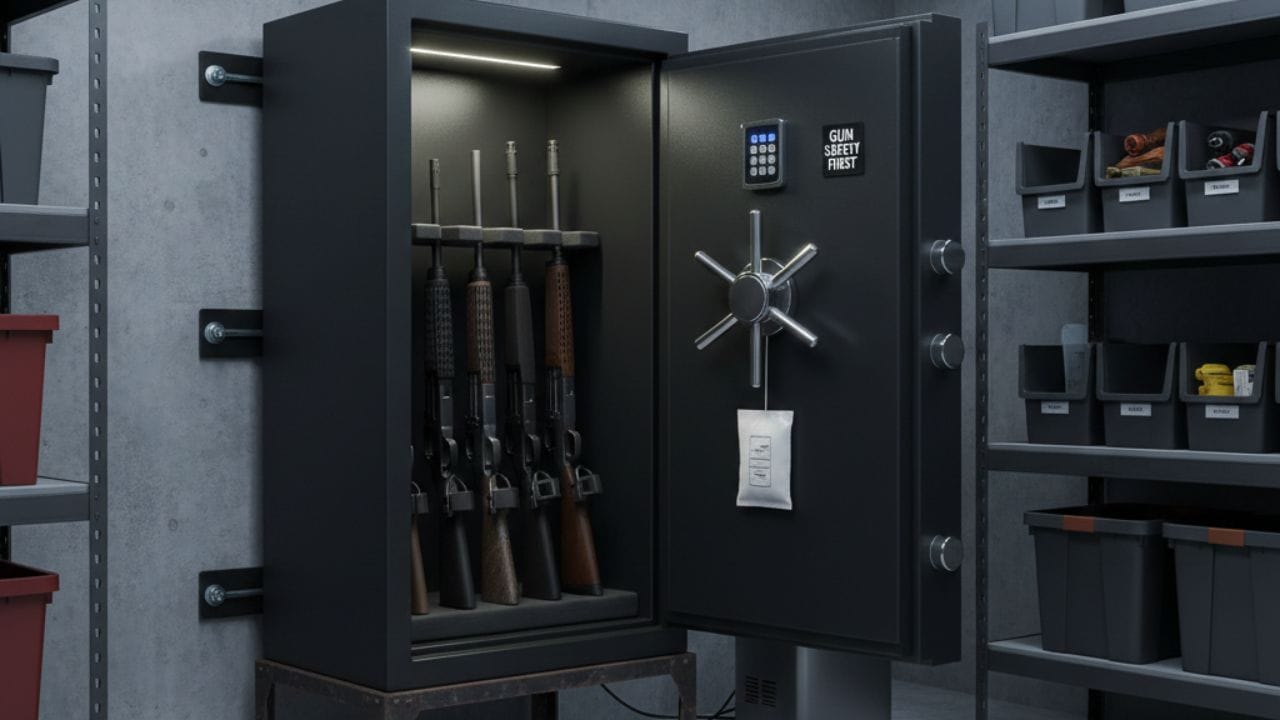
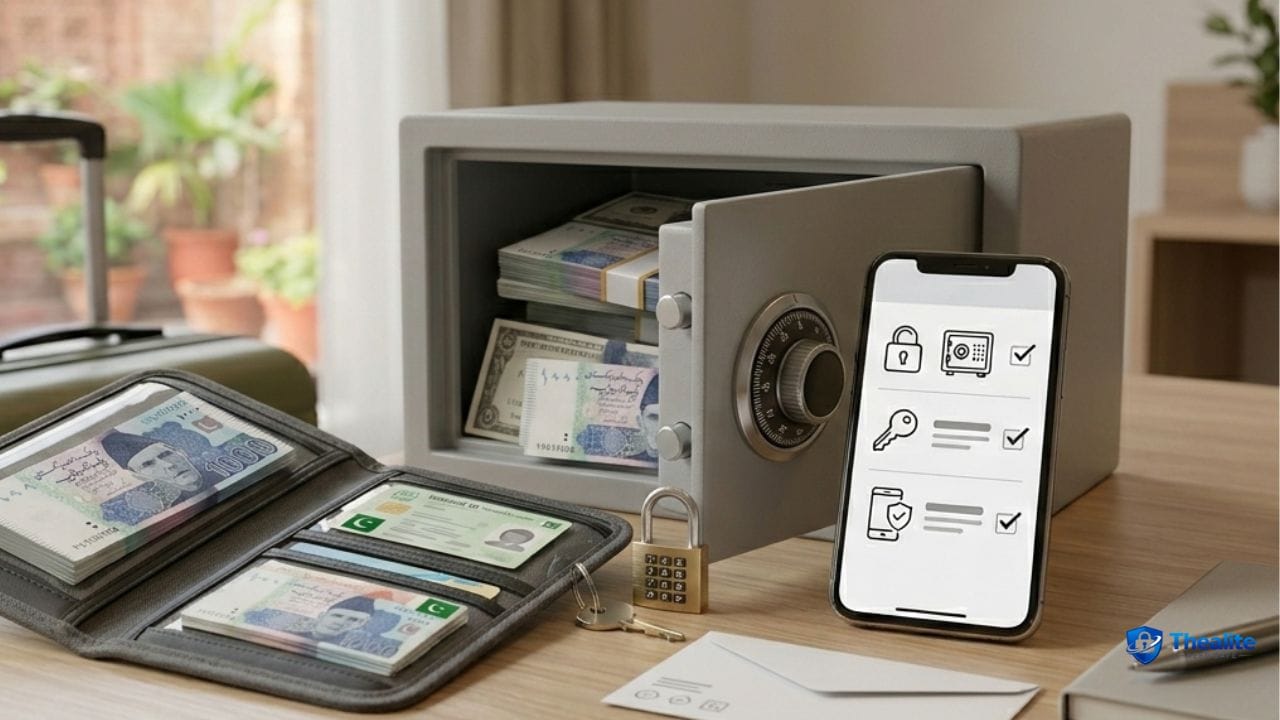
- It’s heavy and bolted down (a thief can’t carry it away).
- It’s not in an obvious location (not the first closet a thief checks).
- It has fire resistance if you’re storing large amounts of cash/documents.
- You control the code/keys and don’t share access widely.
Safe planning help: What to Keep in a Safe • What to Keep in a Safe Deposit Box.
Step 4: Protect Cash From Fire, Water, and Mold
Cash can be destroyed by fire and ruined by moisture. Many people focus only on theft and forget damage prevention.
Fire protection basics
- Consider a fire-rated safe or fire-rated document bag for cash and important papers.
- Keep cash away from high-heat zones (kitchens, garages near fuel/chemicals).
Moisture protection basics
- Use desiccant (rechargeable silica gel) inside safes to reduce humidity.
- Avoid sealing slightly damp cash in airtight plastic (traps moisture).
- Keep cash off the bottom of a safe if moisture is a concern; use shelves or trays.
Moisture guides: How to Keep Money From Molding in a Safe • What to Put in a Safe to Keep Moisture Out • How to Keep Moisture Out of a Safe.
Step 5: Organize Cash So Loss Is Limited
Organization reduces the impact of a single incident and helps you track what you actually have.
- Split cash into smaller bundles (instead of one large stack).
- Store in an envelope system or cash bands with labels (emergency fund, travel, etc.).
- Avoid keeping all denominations the same—keep small bills for emergencies.
- Keep a private record of how much you keep and update it occasionally.
Step 6: When a Safe Deposit Box Makes Sense
If you’re storing a larger amount of cash long-term, a safe deposit box can reduce home theft risk—but it has tradeoffs: bank hours, access limits, and policies. Also, cash in a box isn’t “earning” anything and may be harder to access quickly.
Read this first: Can You Keep Cash in a Safe Deposit Box.
Good uses for safe deposit boxes
- Storing rare, high-value items you don’t need daily.
- Important documents and backups (depending on your needs).
- Keeping some cash separate from your home (if you accept the access limits).
Step 7: How to Keep Cash Safe While Traveling
Travel cash safety is about reducing opportunity: carry less, split it up, and use pickpocket-resistant storage.
Travel rules that work
- Carry only what you need for the day; keep backup cash elsewhere.
- Split cash into 2–3 locations (wallet, hidden pouch, hotel safe).
- Use a money belt or inner zip pocket in crowds.
- Don’t pull out a large stack of cash in public.
- Keep small bills accessible so you don’t flash your stash.
Travel guide: How to Keep Money Safe While Traveling • How to Keep Your Money Safe While Traveling.
Step 8: Don’t Create a ‘Cash Target’ Around Your Home
Cash security is also social. The more people who know you keep cash, the higher your risk.
- Don’t talk about your cash stash casually.
- Be cautious with social media posts that show cash, safes, or valuables.
- If contractors or guests are in your home, keep safe areas private.
What to Do If Cash Is Stolen
Cash is hard to recover once stolen, but you can still take steps to reduce future risk and document the incident.
- Report the theft to local police (especially if a break-in occurred).
- Document what was taken and the circumstances (photos of the scene if relevant).
- Improve security: change locks if needed, upgrade safe placement, add cameras/lighting, and remove predictable hiding habits.
- If the theft involved identity documents too, take identity protection steps immediately.
Identity safety: How to Keep Your Identity Safe Online.
Copy/Paste Checklist: How to Keep Cash Safe
- Keep only a reasonable emergency cash amount at home
- Avoid obvious hiding spots (drawers, mattress, freezer, closet shelf)
- Use a bolted-down safe for home storage; keep access private
- Protect cash from fire (fire-rated safe/bag) and moisture (desiccant + trays)
- Organize cash into smaller bundles; keep a private record
- For long-term storage, consider a safe deposit box (understand access limits)
- When traveling: carry small amounts, split cash into multiple locations, use hidden pouch
- Don’t broadcast that you keep cash (privacy = security)
FAQs
Is it safe to keep cash at home?
It can be, if you keep a reasonable amount and store it securely (preferably in a bolted-down safe) with fire and moisture protection. Large long-term cash storage at home increases theft and damage risk.
What’s the safest place to keep cash?
For larger amounts, many people choose bank options or a safe deposit box for security. At home, a properly installed safe is usually safer than ‘hiding’ cash in drawers or closets.
How do I keep cash from molding?
Control humidity: use desiccant in your safe, keep cash off the floor of the safe, avoid sealing damp items in airtight plastic, and monitor for musty smell.
Should I keep cash in a safe deposit box?
It can reduce home theft risk, but access is limited to bank hours and policies. Decide based on your need for quick access vs security.
How do I carry cash safely while traveling?
Carry less, split it up, use an inner zip pocket or money belt in crowds, and don’t flash large amounts in public.
Conclusion
Keeping cash safe is about managing three risks: theft, damage, and loss. The best approach is simple: keep a reasonable amount, use secure storage (a bolted safe or safe deposit box for larger amounts), protect against fire and moisture, and use smart travel habits like splitting cash and using hidden storage. With a checklist and consistent routines, cash can be a helpful tool—not a liability.

As a digital marketer, she has received multiple international awards, including Campaign of the Year at the 2023 European Content Awards and Best Use of Content Marketing at the 2022 Global Search Awards. Nicai holds an MSc in Marketing (First Class Honours) from the UCD Smurfit Graduate Business School and she has also completed the Artificial Intelligence Programme at Oxford University’s Saïd Business School. She is also a contributing writer for publications such as Entrepreneur and Esquire.