Keeping money safe isn’t just about hiding cash—it’s about protecting your accounts, identity, and daily habits. In the U.S., many losses happen through scams, account takeovers, card fraud, and simple mistakes like carrying too much cash or oversharing personal information.
This guide covers the big four areas of money safety: (1) safe banking and account protection, (2) cash safety at home, (3) travel safety, and (4) online scam prevention. It ends with a copy/paste checklist you can use anytime.
Quick Answer (The Money Safety System)
- Use reputable banks/credit unions and keep accounts protected with alerts and MFA.
- Never reuse passwords for banking or email; secure email first (reset key).
- Use debit cards carefully (limit exposure) and monitor transactions.
- Keep only a reasonable amount of cash at home; store it securely and protect from fire/moisture.
- When traveling: carry less cash, split it into multiple locations, use secure storage.
- Avoid scams: never send money to ‘verify’ or ‘unlock’ something; verify requests via official channels.
- If money is stolen: act fast—freeze cards, report fraud, change passwords, document everything.
Step 1: Keep Money Safe in Bank Accounts (Basics That Work)
For most people, the safest place for money is an insured bank or credit union account—because it’s designed for secure storage and monitoring. Your goal is to reduce fraud risk and catch issues early.
High-impact account protection steps
- Enable account alerts (withdrawals, transfers, card-not-present purchases).
- Use MFA for banking and email.
- Set up strong, unique passwords for banking and payment apps.
- Review transactions regularly (weekly is realistic).
- Keep contact info updated so you receive alerts.
More: How to Keep Bank Account Safe and Keep Bank Account Safe Online.
Which bank is ‘safe’?
Instead of chasing the ‘perfect’ bank, look for basics: FDIC-insured banks or NCUA-insured credit unions, strong security features, and clear fraud support.
Related: Which Bank Is Safe to Keep Money.
Step 2: Debit Card Safety (Where Many People Lose Money)
Debit cards pull money directly from your bank account. That means debit card fraud can be more disruptive than credit card fraud.
Debit card safety rules
- Use credit card for higher-risk purchases when possible (separation from checking account).
- Don’t hand your card to strangers; keep it in sight.
- Use tap-to-pay or mobile wallet where available (can reduce exposure).
- Avoid unknown ATMs; use bank ATMs when possible.
- Turn on transaction alerts for debit activity.
Debit guide: How to Keep Debit Card Safe.
Step 3: Credit Card Safety (Fraud Prevention Habits)
- Use alerts for large purchases and online transactions.
- Don’t store card numbers on unknown sites.
- Use virtual cards where available (separate number for online shopping).
- Lock your card in the app when not in use (some banks offer this).
Credit card guide: How to Keep Your Credit Card Safe.
Step 4: Cash Safety at Home (Theft + Fire + Moisture)
Cash is useful for emergencies, but it’s also easy to steal and easy to damage. If you keep cash at home, do it intentionally.
Home cash rules
- Keep only a reasonable emergency amount—not life savings.
- Avoid obvious hiding spots (drawers, mattress, freezer myths).
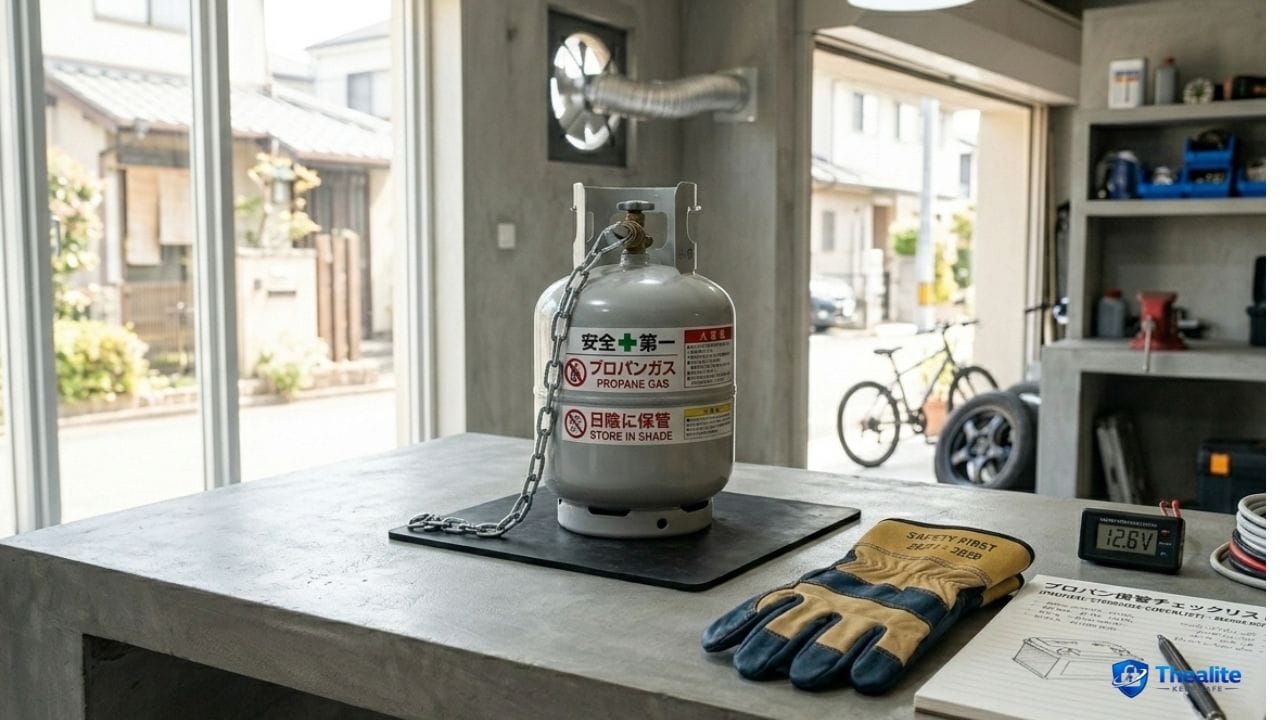
- Use a bolted-down safe if you keep meaningful cash at home.
- Protect cash from moisture (desiccant) and fire (fire-rated container).
Cash guide: How to Keep Cash Safe.
Step 5: Money Safety While Traveling
Travel increases risk because you’re distracted, in crowds, and using unfamiliar ATMs or payment systems.
Travel rules that work
- Carry less cash; keep backup cash elsewhere.
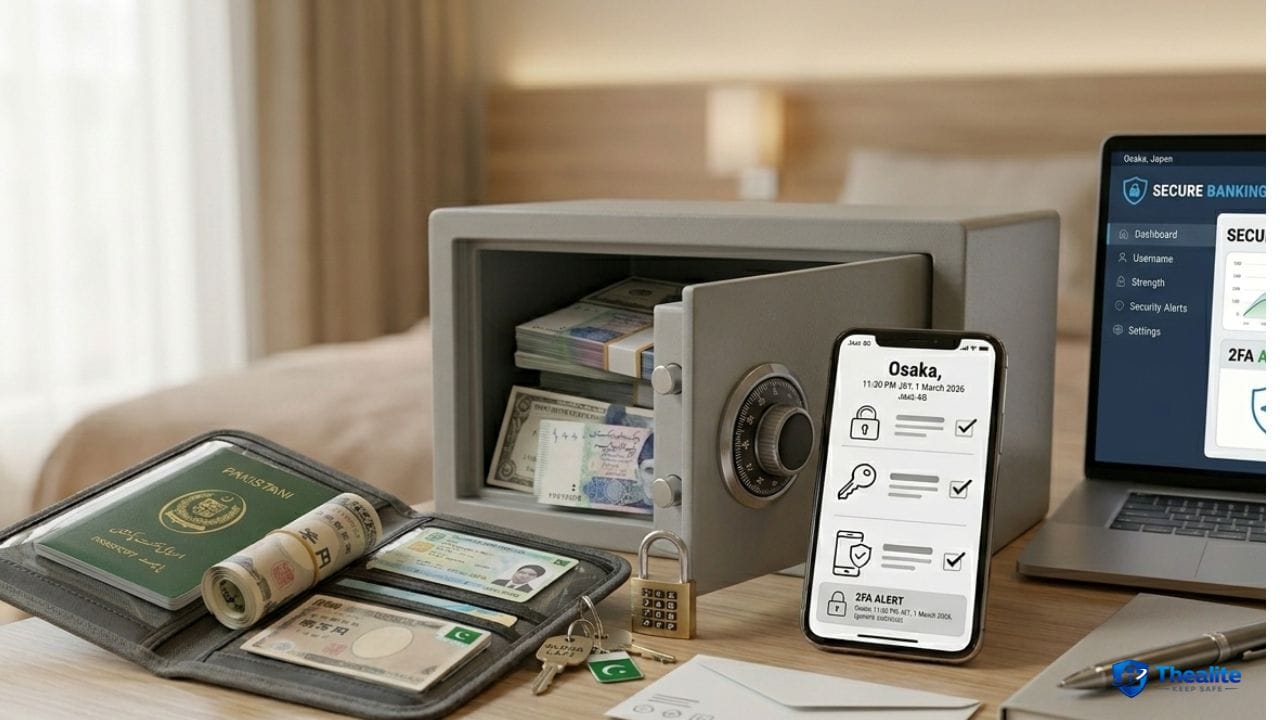
- Split money into 2–3 locations (wallet, hidden pouch, hotel safe).
- Use a money belt or inner zip pocket in crowded places.
- Avoid flashing large cash in public.
- Use bank ATMs when possible; avoid sketchy standalone ATMs.
Travel money: How to Keep Money Safe While Traveling and How to Keep Your Money Safe While Traveling.
Step 6: Payment Apps (Venmo, Cash App, and Similar)
Payment apps are convenient, but they’re not always meant to be long-term savings storage. The main safety risk is scams and account takeovers.
- Use MFA and strong passwords.
- Beware of ‘support’ scams and fake payment notifications.
- Move large balances to a bank when appropriate for your use case.
Related: Is It Safe to Keep Money in Venmo • Is It Safe to Keep Money in Cash App.
Step 7: Scam Prevention (Where ‘Safe Money’ Often Fails)
Many people lose money not through hacking but through scams where they are pressured into sending money willingly.
Common money scams
- Someone claims you owe money immediately (government, IRS, ‘court’).
- A ‘bank’ calls and asks you to move money to a ‘safe account.’
- Fake support messages asking for codes or remote access.
- Online marketplace scams and fake payment confirmations.
- Romance or investment scams promising guaranteed returns.
Rules that stop most scams
- Never send money because someone pressured you on a call/text.
- Verify through official channels (call the bank number on your card).
- Never share verification codes or passwords.
- If it sounds too good to be true, pause and verify.
Identity + scam link: How to Keep Your Identity Safe Online.
What to Do If Money Is Stolen or Fraud Happens
Speed matters. Take action in this order:
- Freeze or lock cards immediately (bank app or call).
- Report fraud to your bank/payment provider.
- Change passwords and secure email if account takeover is possible.
- File a police report if needed (especially for larger theft).
- Monitor accounts daily until the issue is resolved.
Copy/Paste Checklist: How to Keep Money Safe
- Bank safety: alerts on + MFA enabled + unique passwords
- Email secured first (password resets)
- Debit card: limit exposure; use bank ATMs; alerts on
- Credit card: alerts + avoid storing cards on unknown sites
- Cash at home: reasonable amount only; bolted safe; fire + moisture protection
- Travel: carry less; split money; hidden pouch in crowds
- Apps: MFA + strong passwords; avoid storing large balances long-term
- Scams: verify via official channels; never send money under pressure
- If fraud: lock cards → report → change passwords → monitor
FAQs
What is the safest place to keep money?
For most people, an insured bank or credit union account with strong security and alerts is the safest option. Cash at home should usually be limited to a reasonable emergency amount.
Is it safe to keep money in a checking account?
Checking accounts are commonly used and can be safe when protected with strong security, alerts, and careful debit card use. For larger savings, many people prefer separate savings options.
Should I keep cash at home?
A small emergency amount can be helpful, but storing large cash at home increases theft and damage risk. Use a safe and protect against fire and moisture if you do.
How can I protect my bank account from scammers?
Use MFA, never share codes, verify calls by using official numbers, and enable alerts so you catch suspicious activity quickly.
What should I do if my debit card is stolen?
Freeze it immediately in the bank app or by calling the bank, then monitor transactions and replace the card.
Conclusion
To keep money safe, think in layers: secure banking habits (alerts, MFA, unique passwords), smart card use, safe cash storage, careful travel routines, and strong scam awareness. Most losses happen because of predictable mistakes—so a simple checklist and consistent habits protect you better than any one ‘secret trick.’

As a digital marketer, she has received multiple international awards, including Campaign of the Year at the 2023 European Content Awards and Best Use of Content Marketing at the 2022 Global Search Awards. Nicai holds an MSc in Marketing (First Class Honours) from the UCD Smurfit Graduate Business School and she has also completed the Artificial Intelligence Programme at Oxford University’s Saïd Business School. She is also a contributing writer for publications such as Entrepreneur and Esquire.